
- Locations
- Interviews
- Luxury Home
- Luxury Lifestyle
- Luxury Travel
- Luxury News
- Events
- More
- Magazine

New York is a city built around movement. People eat between meetings, grab dinner after late shifts, meet friends before events, and often choose restaurants based on what is nearby and how much time they have. At the same time, New Yorkers expect variety. A quick meal still needs to be flavorful, memorable, and worth returning for.
Tacos fit naturally into that rhythm.
They can be eaten casually, ordered individually or in groups, adapted to different preferences, and served quickly without feeling incomplete. More importantly, tacos reflect many of the qualities that define New York’s food culture itself: flexibility, diversity, strong flavor, and the ability to work equally well for a short lunch or a relaxed evening meal.
New York dining does not always involve long reservations and multi-course meals.
Sometimes the best option is food that is quick, satisfying, and easy to fit into a busy schedule.
Tacos meet those needs particularly well because diners can order according to their appetite. Someone looking for a light bite might choose one or two tacos, while another person can build a larger meal with several varieties and sides.
This flexibility is especially useful in neighborhoods where office workers, residents, commuters, students, and visitors share the same dining spaces.
For people exploring tacos nyc, convenience matters, but speed alone is not enough. The food still needs to deliver fresh ingredients, balanced seasoning, and enough variety to make the experience worth choosing over dozens of nearby alternatives.
One of the strengths of tacos is that everyone at the table does not need to order the same thing.
A group might include someone who prefers carne asada, another person looking for al pastor, someone who wants birria, and another diner choosing seafood or a vegetarian filling.
That makes tacos particularly well suited to casual group dining.
Instead of committing to a single large dish, diners can mix different flavors and compare combinations.
This creates a more social style of eating.
Sharing also encourages experimentation. A person who normally orders beef might try a fish taco, while someone familiar with al pastor may decide to add a mushroom or shrimp option.
The meal becomes less predictable without becoming complicated.
New York’s restaurant culture is strongly connected to neighborhoods.
A dining experience in Times Square feels different from one in Brooklyn. Financial District lunch crowds have different priorities from people meeting friends for dinner after work.
Restaurants that succeed in multiple neighborhoods usually understand that the same food can serve different purposes depending on the location.
In a business district, speed and consistency may matter most during lunch hours.
In a tourist-heavy area, diners may be searching for something approachable but more interesting than typical chain options.
In residential neighborhoods, repeat business often depends on creating a place that feels reliable enough to become part of someone’s regular routine.
Tacos adapt well to all three situations.
Tacos are often most successful when the flavors are clear.
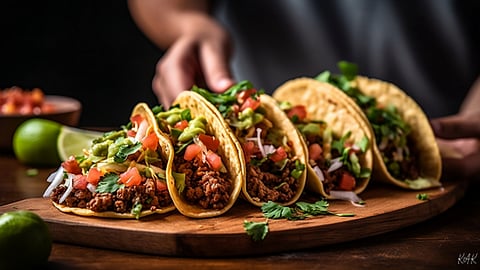
A well-seasoned filling, warm tortilla, fresh onion, cilantro, lime, and an appropriate salsa can create a complete dish without requiring excessive ingredients.
That simplicity is important.
When too many toppings are added, the original character of the filling can disappear. A heavily dressed taco may look impressive but become difficult to eat and less balanced in flavor.
Good taco preparation often depends on restraint.
The meat or vegetable filling should have enough flavor on its own, while toppings provide contrast and freshness.
This balance allows different taco styles to maintain their own identity.
One reason tacos continue to fit New York’s dining scene is the range of options they can offer.
A menu might include:
carne asada
al pastor
birria
fish
shrimp
mushroom
other seasonal or specialty fillings
This variety makes it easier for restaurants to serve people with different tastes without creating an overly complicated dining experience.
It also encourages repeat visits.
A customer may choose carne asada one day and return later to try birria or seafood.
For people looking for the best tacos nyc can offer, variety is often part of the appeal, but consistency remains equally important. A large menu means little if execution changes dramatically from one visit to another.
Diners are more likely to return when they know the core experience will remain dependable.
Casual food does not have to feel rushed or low-effort.
That distinction matters in New York.
People may want a meal that is fast, but they still appreciate food that feels carefully prepared.
Tacos can provide that middle ground.
They do not require formal dining, but they can still show attention to technique, ingredient quality, seasoning, and presentation.
This makes them suitable for different occasions.
They can be:
a quick lunch
a pre-show meal
a casual dinner
a late-day snack
part of a group order
an easy stop while exploring the city
Few dishes transition between these situations as naturally.
Salsa plays an important role in defining the character of a taco.
Some diners prefer bright, acidic sauces. Others want smoky flavors or more heat.
The right salsa should complement the filling rather than overwhelm it.
This is why offering different salsa styles can improve the experience. Diners can adjust heat and flavor according to personal preference without changing the core taco.
Salsa also creates variation between tacos.
The same filling can feel noticeably different depending on whether it is paired with a fresh green salsa, a deeper roasted sauce, or something with stronger chile heat.
These small choices give customers more control over the meal.
New Yorkers often eat socially.
Friends meet after work, visitors explore neighborhoods through food, and casual restaurants become easy meeting points because they do not require complicated planning.
Tacos fit this style of dining well.
They are easy to share, easy to order in different quantities, and simple to combine with sides or drinks.
The format encourages people to stay flexible.
One person can order two tacos while another orders four. Someone can try several fillings instead of choosing a single entrée.
This makes the meal feel relaxed and adaptable, which suits a city where plans often change quickly.
New York diners have enormous choice, but that also means proximity has become an important part of restaurant selection.
Someone working downtown may not travel across the city for lunch. A visitor in Midtown is likely to choose from nearby options. Brooklyn residents often develop strong preferences for restaurants within their regular neighborhood routes.
Convenient locations therefore matter, especially when paired with consistent quality.
A restaurant that works naturally with someone’s commute, workday, or evening plans has a better chance of becoming a repeat choice.
This is particularly true for food that already suits quick and flexible dining.
Tacos make sense in New York because they do not force diners to choose between convenience and flavor.
They can be prepared and served efficiently while still allowing significant attention to seasoning, texture, freshness, and variety.
That balance is important in a city where people frequently want food quickly but are rarely willing to accept something forgettable simply because it is convenient.
The taco format also encourages exploration.
Different fillings, salsa styles, neighborhoods, and dining occasions can create noticeably different experiences while keeping the basic meal familiar.
New York’s dining culture rewards food that is flexible.
People want meals that fit around work, travel, entertainment, social plans, and different appetites.
Tacos meet those needs unusually well.
They can be quick without feeling rushed, casual without feeling incomplete, and familiar without becoming repetitive.
That combination explains why tacos continue to work across neighborhoods and dining situations throughout the city.
In a food scene that changes constantly, the strongest dishes are often those that can adapt without losing their identity. Tacos do exactly that.
Inspired by what you read?
Get more stories like this—plus exclusive guides and resident recommendations—delivered to your inbox. Subscribe to our exclusive newsletter
The products and experiences featured on RESIDENT™ are independently selected by our editorial team. We may receive compensation from retailers and partners when readers engage with or make purchases through certain links.