
- Locations
- Interviews
- Luxury Home
- Luxury Lifestyle
- Luxury Travel
- Luxury News
- Events
- More
- Magazine

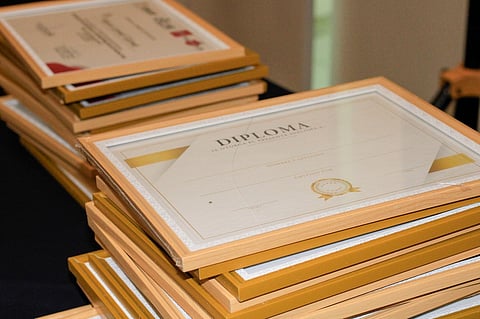
A diploma records an academic achievement, but paper alone provides limited protection. A frame shields the document from dust, handling, light, and accidental damage while keeping its details visible. The right materials, mounting method, and placement help preserve the credential and give it a clear role in a home, office, or alumni space. Practical choices matter because certificates often have unusual sizes and delicate surfaces. The following guide explains how a diploma frame protects and presents that achievement.
A diploma should remain readable without constant handling, especially when it carries embossed seals, raised lettering, or handwritten signatures. A measured frame holds the document flat, limits contact with airborne debris, and creates a stable display surface. People comparing styles, colors, and mounting options can use diploma frames to assess how a finished frame suits the certificate and its room.
An accurate fit prevents a diploma from shifting inside the frame. Movement can create bent corners, uneven pressure, or visible gaps around the document. Before ordering, the owner should measure the certificate’s full paper dimensions, including any unusual border or seal.
The frame should hold the diploma without forcing it against the glazing. A loose fit also creates problems because the paper can slide when the frame hangs vertically. Custom sizing helps accommodate certificates that do not match common photo dimensions. To make the diploma stand out, you can also choose to hang it on a statement wall that attracts attention.
Paper also needs protection from everyday exposure. A frame separates the diploma from dust and frequent handling, while the backing keeps the document supported. Hanging the finished piece away from direct sunlight and damp areas adds another practical layer of care.
Frame material affects both appearance and support. A black or silver profile creates a restrained presentation, while gold or dark wood adds more visual weight. The best choice depends on the certificate’s ink, seal, border color, and the room’s existing finishes.
A diploma with ornate lettering often suits a classic profile. A clean certificate with wide margins can work with a minimalist frame. Styles listed on the inspected collection include Classic, Minimalist, Parisian, Prep, Statement, and Vintage, giving owners distinct visual directions.
The frame should also complement nearby furnishings without competing with the document. A simple profile keeps attention on the credential, while a wider or more decorative profile creates a more formal presentation. The certificate remains the central object when the frame supports its proportions.
Mounting affects how securely the diploma sits and how much visual separation appears around it. There are two popular types of mounting: Clear Float Frames and Float Mount Frames as mounting types. Each approach creates a different relationship between the document, its border, and the surrounding frame.
A float mount makes the paper appear separated from the backing, which draws attention to its edges. That effect suits certificates with attractive borders or deckled details. A standard presentation works better when the owner wants a quieter arrangement with less space around the paper.
A diploma usually works best where people can see it without placing it near avoidable hazards. A home office, study, hallway, or living room can provide suitable visibility. The owner should avoid locations beside radiators, humidifiers, sinks, or windows with intense direct sunlight.
Wall position affects both presentation and maintenance. Eye-level placement makes the text easier to read and reduces the need for repeated adjustments. Secure hanging hardware keeps the frame level and lowers the chance of impact from nearby doors or furniture.
A single diploma can anchor a small arrangement, but nearby pieces should share a consistent visual scale. Additional certificates often look orderly when their frames use related colors or profiles. Spacing should leave enough room for each document to remain legible.
A framed diploma still needs occasional inspection. Dust should be removed from the frame surface with a soft, dry cloth, while the document should stay undisturbed behind its protective front. If condensation, discoloration, or slipping appears, the owner should address the issue promptly.
The original diploma also deserves separate storage records. A clear photograph and a secure copy of relevant details help preserve information if the framed document later needs professional attention. Handling should remain limited, especially for older paper or fragile seals.
Frame selection should begin with measurement, followed by decisions about material, mounting, depth, and location. That order prevents appearance from taking priority over fit and document care. It also creates a display that remains practical after graduation day.
A diploma frame protects paper from routine contact while giving an academic credential a deliberate place in the home or office. Accurate measurements prevent movement, suitable materials support the certificate’s style, and careful placement reduces exposure to heat, moisture, and harsh sunlight. Owners should measure the document first, review mounting and depth options second, then select a frame that fits the intended wall. That simple sequence supports safer storage and a clearer display for years.
Inspired by what you read?
Get more stories like this—plus exclusive guides and resident recommendations—delivered to your inbox. Subscribe to our exclusive newsletter
The products and experiences featured on RESIDENT™ are independently selected by our editorial team. We may receive compensation from retailers and partners when readers engage with or make purchases through certain links.