
- Locations
- Interviews
- Luxury Home
- Luxury Lifestyle
- Luxury Travel
- Luxury News
- Events
- More
- Magazine

Holiday baking traditions look different around the world, but few things capture the warmth of the season quite like a freshly baked cookie. From gingerbread people to sugar cookies decorated with colorful icing, these sweet treats are staples of festive celebrations. One lesser-known cookie worth adding to your holiday baking list is Pfeffernüsse.
These small, spice-packed cookies have a rich history in European holiday traditions and offer a distinctive flavor that sets them apart from familiar seasonal desserts. Whether you have encountered them at a Christmas market or are discovering them for the first time, learning about Pfeffernüsse is a delicious way to explore holiday traditions.
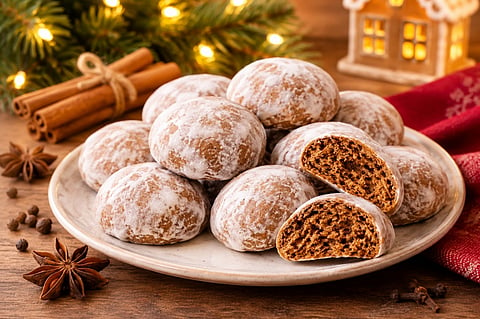
Pfeffernüsse are traditional German holiday cookies known for their small, rounded shape and bold combination of warming spices. Their name translates roughly to "pepper nuts," referring to the pepper and other spices traditionally used in the dough, as well as their nut-like appearance. Despite the name, many recipes don't actually contain nuts.
These cookies are typically made with flour, sugar or honey, eggs, and cinnamon, cloves, nutmeg, cardamom, and white pepper. Some recipes also include anise for an additional layer of flavor.
The result is a fragrant cookie with a slightly crisp exterior and dense, chewy interior. Many versions are finished with powdered sugar or white icing that adds sweetness to balance the spices.
Pfeffernüsse are often enjoyed alongside coffee or tea, making them an inviting addition to a holiday afternoon snack. If you're preparing a seasonal coffee station, a plastic free coffee maker can help you brew a warm beverage to serve alongside these traditional cookies.
Pfeffernüsse have deep roots in German and Northern European holiday baking traditions. They are particularly associated with Christmas celebrations, when families prepare batches of spiced cookies to share with loved ones, give as gifts, or serve to holiday visitors.
The cookies are also popular in Denmark and the Netherlands, where similar recipes are known by different names. In the Netherlands, for example, pepernoten are traditionally associated with the Sinterklaas holiday celebrated in early December. Although these treats share historical and culinary similarities with German Pfeffernüsse, their ingredients, shapes, and textures can vary.
Historically, spices were valuable commodities in Europe, making heavily spiced baked goods feel especially special. As international trade expanded, ingredients such as pepper, cinnamon, and cloves became more accessible. These flavors eventually became closely associated with winter celebrations and festive recipes.
Today, Pfeffernüsse remain a beloved seasonal treat, connecting modern holiday celebrations with centuries of European baking traditions.
The defining characteristic of Pfeffernüsse is their complex spice profile. Rather than relying on sweetness alone, these cookies balance several aromatic ingredients to create a warm, slightly peppery flavor.
Cinnamon provides familiar sweetness, while cloves and nutmeg contribute earthy depth. Cardamom adds a fragrant, slightly citrusy note, and white pepper gives the cookies their signature subtle kick. Depending on the recipe, anise can introduce a mild licorice-like flavor.
Their texture also makes them distinctive. Freshly baked Pfeffernüsse may have a firm exterior and soft center, while some traditional recipes produce cookies that become quite hard as they cool. In certain households, the cookies are prepared weeks before Christmas and left to mellow, allowing their flavors to develop.
The powdered sugar coating adds delicate sweetness, while icing creates a slightly different texture and appearance. Each variation offers a unique experience, making different recipes worth exploring.
Making Pfeffernüsse involves combining pantry staples with a generous assortment of spices. Most recipes begin by mixing flour with the selected spices and a leavening ingredient. Honey or molasses is often warmed with sugar before being incorporated into the mixture, creating a flavorful dough.
Once combined, the dough is shaped into small balls and placed on a baking sheet. Because Pfeffernüsse are traditionally bite-sized, they are easy to bake in larger batches. After baking, the cookies are allowed to cool before being rolled in powdered sugar or dipped in icing.
Some recipes recommend resting the dough overnight before baking. This gives the spices time to blend and allows the dough to develop a more consistent flavor. Other recipes call for aging the finished cookies in an airtight container to soften their texture. While the process is straightforward, the combination of spices is what makes each baker's version unique.
Pfeffernüsse offer more than an opportunity to try another holiday cookie. They introduce a piece of European culinary history while bringing together the comforting flavors that make winter baking enjoyable. Their combination of pepper, cinnamon, cloves, and other warming spices creates a memorable treat that stands out from familiar Christmas desserts.
Whether you bake them from scratch, discover them at a specialty bakery, or share them with family during a holiday gathering, Pfeffernüsse are worth experiencing. Adding this traditional cookie to your seasonal celebrations is a simple way to explore new flavors, create lasting memories, and make your holiday dessert table a little more interesting.
Inspired by what you read?
Get more stories like this—plus exclusive guides and resident recommendations—delivered to your inbox. Subscribe to our exclusive newsletter
The products and experiences featured on RESIDENT™ are independently selected by our editorial team. We may receive compensation from retailers and partners when readers engage with or make purchases through certain links.