
- Locations
- Interviews
- Luxury Home
- Luxury Lifestyle
- Luxury Travel
- Luxury News
- Events
- More
- Magazine
- Contact Us

Sleep is shaped by more than silence, darkness, or a supportive mattress. Fabric touches the face and body for hours, traps heat, absorbs sweat, and can affect skin comfort. As awareness around indoor wellness grows, households are paying closer attention to fiber origin, chemical finishing, and how long products remain usable.
Better bedding can support steadier temperature control, fewer irritants, and less textile waste. Choosing a sustainable bedding company helps make the switch a practical, health-minded home decision that benefits both sleep quality and everyday comfort. From cleaner materials to smarter temperature control, several factors make this switch worthwhile.
Textile finishing may involve dyes, softeners, wrinkle treatments, or residues that shoppers cannot easily assess. A sustainable bedding company can help buyers compare fibers, safety testing, and production choices with more confidence. That matters because sheets, pillowcases, and comforters stay in close contact with skin, airways, and perspiration through every sleep cycle.
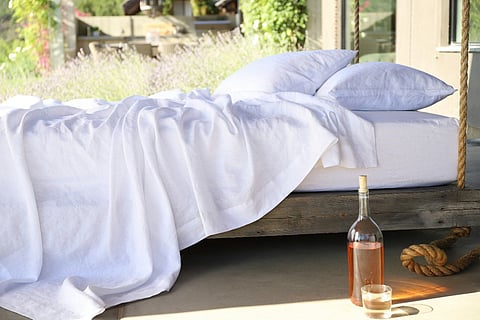
A responsible sheet set still has to feel good at 2 a.m. Breathable fibers allow warm air and moisture vapor to move away from skin. That transfer supports more stable body temperature. Eucalyptus-based fabric, linen, and long-staple cotton can feel smooth without heavy surface coatings.
Low-cost bedding often wears out through thinning fabric, loose seams, or pilling. Replacement then becomes routine, which increases textile discard. According to the U.S. Government Accountability Office, discarded textiles have been rising steadily and now contribute to growing landfill volume across the country. Durable fibers and stronger construction extend useful life. A higher purchase price can make sense when the product performs well across many washes and seasons.
Skin barrier function changes with age, climate, medication, and dryness. Rough fabric, heat buildup, or finishing residues may aggravate itching or redness. Gentler materials reduce common friction triggers. Softer pillowcases can also help people prone to facial irritation, scalp sensitivity, or night sweating.
Claims on packaging can sound broad, so independent testing has value. OEKO-TEX Standard 100 screens textiles for many restricted substances. Other certifications may address fiber sourcing or organic practices. Shoppers who review these labels can better understand what has been tested and what has not. No label answers every question, yet verified standards give shoppers a clearer basis for comparison.
Core body temperature naturally drops during sleep onset. Bedding that traps heat can disrupt that rhythm. Moisture retention may also leave fabric clammy against skin. Airy weaves, lighter fills, and breathable covers help heat disperse, which can reduce waking and support longer rest periods. This is especially relevant for hot sleepers who struggle with overheating at night.
Fiber structure influences softness, strength, and airflow. Long-staple cotton tends to resist pilling because longer fibers create smoother yarn. Linen feels crisp at first, then relaxes with washing. Eucalyptus-derived fabrics often have a cool hand and fluid drape, qualities many warm sleepers notice quickly.
Sustainable bedding should fit normal household routines. Many sheets, duvet covers, and pillowcases can be machine washed. Cold water helps limit fiber stress while reducing energy use. Mild detergent protects texture, and lower dryer heat can slow shrinkage, fading, and seam fatigue.
The lowest price may not represent the lowest cost. Bedding that loses shape or softness after repeated washing provides fewer comfortable nights. Cost per use gives a better picture. Shoppers can compare durability, breathability, care needs, and skin comfort before judging value.
Health-minded bedding does not need to look clinical. Texture, color depth, and proper sizing affect how a room feels each day. Calm neutrals can make rest spaces quieter. Richer shades bring warmth without excess visual noise. Good construction should pair with a style that suits real homes.
One purchase will not fix textile waste by itself. However, repeated household decisions still influence demand. Choosing cleaner materials, verified testing, and longer product life sends a measurable market signal. When more buyers support these values, manufacturers are more likely to prioritize responsible practices. Over time, that preference can encourage better sourcing, safer finishing, and less disposable thinking across home textiles.
Switching to sustainable bedding is a practical step for comfort, skin contact, and long-term value. The strongest choice balances breathability, softness, durability, wash care, and credible safety standards. Better materials can help regulate heat, reduce irritation triggers, and cut avoidable replacement waste. For households seeking healthier rest without adding complicated routines, sustainable bedding offers a sensible upgrade that works every night.
Inspired by what you read?
Get more stories like this—plus exclusive guides and resident recommendations—delivered to your inbox. Subscribe to our exclusive newsletter
The products and experiences featured on RESIDENT™ are independently selected by our editorial team. We may receive compensation from retailers and partners when readers engage with or make purchases through certain links.