
- Locations
- Interviews
- Luxury Home
- Luxury Lifestyle
- Luxury Travel
- Luxury News
- Events
- More
- Magazine
- Contact Us

The type of commercial floor used can impact safety, aesthetics, maintenance, and overall operating expenses. Every business uses its space differently. An office should be comfortable and sophisticated. Strength and abrasion resistance are required in a warehouse. For a retail store, it is essential to have good-looking floors that can withstand continuous use.
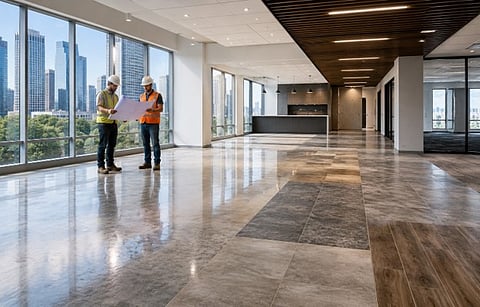
Commercial flooring contractors in Houston can assist companies in comparing materials, evaluating existing floors, and preparing to install floor covering while considering the business's daily activities. The right contractor will recommend a system according to use, traffic, moisture, cleaning, and service life.
Most commercial floors wear out more than residential floors. They can assist with carts, equipment, furniture, deliveries, staff, and customers daily. Cracking, peeling, staining, or replacement due to poor material choices is a result of poor material selection.
A suitable floor system can offer:
Better slip resistance
Easier cleaning and maintenance
Improved durability
A more professional look
Smoother surface and less dust.
High resistance to spills and chemicals
The floor should not be a frequent maintenance issue; it should be there to do the job of a business.
Office flooring needs to be comfortable, attractive, and easy to clean. The surface might be different for each reception area, conference room, corridor, break room, and workstation.
Office use is another common application for luxury vinyl tile – it's durable and comes in a variety of styles. Carpet tile can be used to dampen sound in open work spaces and meeting rooms. Polished concrete is a perfect option for contemporary offices where a clean and low-maintenance finish is required.
Some of the most common options when it comes to selecting office flooring include:
Luxury vinyl tile
Carpet tile
Polished concrete
Rubber flooring
Porcelain tile
The final choice should be aligned with the office layout, brand style, and traffic.
Floors in a warehouse should be strong and able to withstand constant foot traffic. Forklifts, pallet jacks, racks, carts, and deliveries put stress on the concrete slab.
A polished concrete surface is often considered the best choice because there is less dust and it is hard-wearing. Chemical resistance is increased, and cleaning is easier with epoxy coatings. Sealed concrete can be used in light-duty storage areas.
There are several types of warehouse flooring systems available, such as:
Epoxy floor coatings
Polished concrete
Sealed concrete
Urethane coatings
Concrete resurfacing
Crack repair and sealing of joints.
It is particularly important to prepare the surfaces in a warehouse. The outcome might be impacted by existing cracks, compromised joints, oil contamination, or moisture.
Retail flooring should be both appealing and long-lasting. While the surface is indeed a part of the customer experience, it also needs to be able to deal with carts, displays, deliveries, spills, and everyday cleaning.
Luxury vinyl tile is popular as it can be made to look like wood or stone and requires less upkeep. Porcelain tile offers a clean, long-lasting appearance. Polished concrete can provide a contemporary look for showrooms and big retail outlets.
Retail businesses should consider:
Foot traffic volume
Slip resistance
Store design
Cleaning requirements
Display and fixture loads
Needs for replacement and repair
The flooring contractors should also schedule the installation according to the timing of the stores to minimize disruption.
Certain businesses, such as restaurants, salons, healthcare facilities, and service-based establishments, have distinct flooring requirements. These areas could have to handle grease, cleaning chemicals, spills, or sanitation.
Epoxy and urethane systems are appropriate for kitchens, preparation areas, and back-of-house areas. In high-traffic areas, such as a customer service area or a dining room, luxury vinyl tile or porcelain tile can be used.
These businesses will require flooring that is easy to clean, slip-resistant, and that meets local requirements.
This comparison can help narrow the options. However, the condition of the existing slab should still be reviewed before a final decision is made.
The choice of commercial flooring should be based on the requirements of the company. Offices require comfort and appearance. Durability and load resistance are important features for warehouses. Retail and service areas require safe, clean, and aesthetically pleasing surfaces.
The optimal solution is to align the flooring system with the facility, traffic, and maintenance strategy. Businesses like Arrant Floors are often considered for commercial flooring installation, coatings, concrete finishing, and surface preparation in Houston when comparing local providers.
The best flooring depends on the type of business, traffic level, cleaning needs, and condition of the existing surface. Luxury vinyl tile, epoxy, polished concrete, carpet tile, and porcelain tile are common options.
Contractors typically evaluate the existing slab, moisture levels, traffic, expected loads, chemical exposure, and maintenance routine. They then recommend a flooring system that matches the facility’s use.
Polished concrete, epoxy coatings, porcelain tile, and commercial-grade luxury vinyl tile can perform well in high-traffic spaces. The right option depends on whether the area is customer-facing, industrial, or exposed to moisture.
In many cases, yes. Contractors may divide the project into phases or schedule installation during evenings, weekends, or lower-traffic periods. The available options depend on the flooring system and curing time.
It can take from a few days to weeks. The overall timeline depends on the square footage, existing floor condition, surface preparation, material, and curing requirements. Small areas may take a few days, while larger or more complex projects may require phased scheduling.
Inspired by what you read?
Get more stories like this—plus exclusive guides and resident recommendations—delivered to your inbox. Subscribe to our exclusive newsletter
The products and experiences featured on RESIDENT™ are independently selected by our editorial team. We may receive compensation from retailers and partners when readers engage with or make purchases through certain links.