
- Locations
- Interviews
- Luxury Home
- Luxury Lifestyle
- Luxury Travel
- Luxury News
- Events
- More
- Magazine

If you manage a storefront, warehouse, mixed-use building, or busy service space, your doors do more work than most people realize. They help with security, curb appeal, comfort, and daily traffic flow. When one starts acting up, it can throw off your whole day faster than a coffee spill on a white shirt. The good news is that you don’t need to be a repair expert to spot problems early, plan smarter maintenance, and make choices that keep your business entrance working without drama.
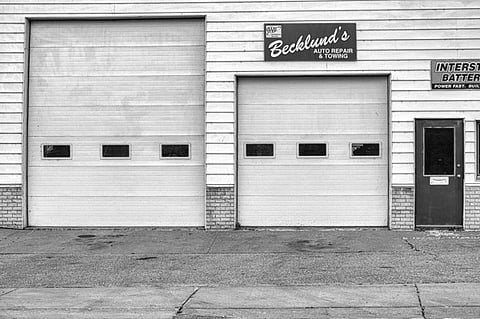
Your business entrance sets the tone before anyone says hello. A door that opens smoothly feels welcoming and professional. A noisy, jerky, or damaged one can make the whole place seem neglected, even if everything inside looks great.
There’s also the practical side. Doors affect how easily staff move in and out, how shipments are handled, and how secure your property feels after hours. If you run a retail space, a sticking door can annoy customers. If you manage a commercial building, a failing overhead door can slow down work and create safety concerns.
Comfort matters too. Gaps, worn seals, and poor insulation can let in heat, cold, dust, or rain. That can raise energy bills and make indoor spaces less pleasant. In short, your door is not just a door. It’s part greeter, part guard, and part silent coworker.
When a commercial door needs attention, choosing the right provider can save you time, money, and repeat headaches. You want someone who understands the type of door you have, explains problems in plain language, and offers services that fit your actual needs.
If you’re comparing options, an overhead door company should be able to help with installation, repairs, maintenance, and commercial service planning. It also helps when a company can handle different door styles and opener systems instead of guessing its way through the job.
Ask practical questions. How quickly can they respond? Do they work on commercial properties like yours? Can they inspect the full system instead of only the obviously broken part? Good service should feel clear and steady, not mysterious and overly salesy. If someone can explain the issue without making it sound like rocket science with rollers, that’s usually a good sign.
Most door problems don’t appear out of nowhere. They usually drop hints first. The trick is noticing them before a small repair turns into a bigger and pricier mess.
Listen for changes. Grinding, squeaking, rattling, or banging sounds often mean parts are wearing down or moving unevenly. If the door hesitates, closes crookedly, or seems slower than usual, something is likely off. A door should not move like it’s waking up from a nap.
You should also watch for visible wear. Dented panels, frayed cables, loose hardware, rust, and cracked seals all deserve attention. Drafts near the bottom or sides can point to alignment or weather seal issues. If the opener struggles or the door reverses unexpectedly, don’t ignore it.
These signs matter because door systems work as a team. When one part strains, the others often follow. Catching problems early can prevent downtime, safety risks, and surprise repair bills.
Routine maintenance is one of those chores that feels easy to postpone until something breaks at the worst possible moment. A little planning now can help you avoid the classic “why today?” building problem later.
Start with simple visual checks. Look at tracks, rollers, springs, cables, panels, and seals. You’re not trying to diagnose every detail. You’re just watching for changes, damage, or anything that seems off. If you hear an unusual noise, make a note of when it happens and whether it’s getting worse.
Keep the area around the door clean and clear. Dirt buildup, blocked tracks, and accidental bumps from carts or vehicles can create issues over time. Schedule professional inspections at sensible intervals, especially for doors that get heavy daily use.
Maintenance also protects your budget. Well-timed adjustments and part replacements are usually easier to manage than sudden failures. Think of it like changing a lightbulb before the whole room goes dark. Not glamorous, but very helpful.
Not every door issue is an emergency, but some absolutely are. In commercial settings, a true emergency usually means the problem affects security, safety, or your ability to operate normally. A door stuck open after business hours is a big one. So is a door that won’t open when your team needs access for deliveries or daily work.
A door hanging unevenly, damaged after impact, or refusing to close properly can also create an immediate risk. That may expose equipment, inventory, or the building itself. In busy work environments, delays can pile up fast and throw off schedules for staff, drivers, and customers.
This is where fast commercial service matters. Emergency support is especially important for business properties because downtime costs more than money. It also creates stress, and nobody needs extra stress from a rebellious door.
If a problem feels unsafe, keep people clear of the area and call for professional help right away. Hero moves are best saved for comic books, not damaged door systems.
If your current door system is older, a few upgrades can make daily life easier without turning your property into a science project. The best improvements are usually the ones you notice through smoother operation, lower noise, and fewer problems.
Better insulation can help with indoor comfort and energy costs, especially in spaces that open often. Updated seals may reduce drafts, dust, and moisture. If noise is a constant complaint, quieter components or a newer opener can make a big difference. Your staff will thank you, and your ears probably will too.
Security upgrades are worth considering as well. Stronger materials, improved locking features, and more reliable opener systems can add peace of mind. For high-use commercial spaces, modern controls may also help with convenience and consistency.
The right upgrade depends on how the door is used every day. Focus on comfort, reliability, and safety first. Fancy features are nice, but a door that works when you need it is the real star of the show.
Inspired by what you read?
Get more stories like this—plus exclusive guides and resident recommendations—delivered to your inbox. Subscribe to our exclusive newsletter
The products and experiences featured on RESIDENT™ are independently selected by our editorial team. We may receive compensation from retailers and partners when readers engage with or make purchases through certain links.