
- Locations
- Interviews
- Luxury Home
- Luxury Lifestyle
- Luxury Travel
- Luxury News
- Events
- More
- Magazine

In modern building and construction, timber continues to experience a massive renaissance. From engineered mass timber commercial frames to high-end residential framework, architects and contractors are pushing the boundaries of what wood can achieve. Yet, no matter how precise your digital blueprints are or how high-grade your lumber is, the entire structure ultimately relies on the hardware holding those joints together.
When structural loads shift or timber undergoes natural seasonal expansion, inadequate fasteners can shear, back out, or compromise joint rigidity. Ensuring long-term stability on site often starts with sourcing professional-grade wood screws engineered to withstand high shear stress and heavy dynamic loads without fatiguing.
Timber is a dynamic, organic material that reacts continuously to environmental changes, moisture shifts, and load distribution. Traditional fastening methods can fall short when faced with the rigorous demands of contemporary commercial or residential construction.
Star Fasteners Plus designs its structural components to address these exact field challenges. Advanced thread patterns bite deep into the wood fibers, distributing stress evenly across the joint and minimizing the risk of splitting even near board edges.
Selecting the right fastener requires looking beyond basic sizing and evaluating how the hardware will perform under real-world building conditions. Contractors and project managers must weigh several critical mechanical factors before placing a bulk order for the job site:
Load and Shear Strength: Verify that the fastener's tensile and shear ratings align with the structural engineering requirements of the assembly, especially in load-bearing frames.
Corrosion Resistance: For exterior applications, pressure-treated lumber, or damp environments, choose specialized coatings that prevent galvanic corrosion, rust degradation, and subsequent wood staining.
Drive Efficiency: High-torque drive recesses reduce cam-out, speeding up installation times for crews working long hours on site and reducing hand fatigue.
Thread Geometry: Deep, sharp threads reduce the required driving torque while maximizing pull-out resistance, keeping framing rock-solid over decades of settling.
Building codes are increasingly stringent regarding mass timber and heavy framing connections. Using generic fasteners that lack proper certification can lead to failed inspections, project delays, and costly structural rework. High-performance hardware undergoes rigorous testing to guarantee compliance with modern engineering standards. Furthermore, pairing the correct fastener alloy with specific lumber treatments—such as copper-based preservatives—prevents premature chemical breakdown of the metal.
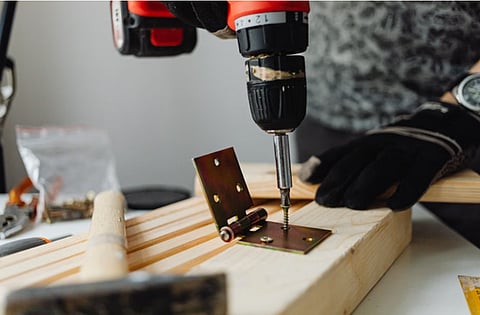
Even the highest quality fasteners can underperform if installation best practices are ignored. On busy construction sites, rushing through assembly often leads to stripped heads, over-torqued shanks, or omitted pilot holes. Educating your crew on proper torque settings and the importance of pre-drilling dense hardwoods ensures that every joint reaches its maximum engineered potential. Paying attention to these minor operational habits drastically cuts down on post-installation maintenance and warranty claims.
Structural success in construction is built on a foundation of quality components. By paying close attention to the mechanics of timber connections, project managers can eliminate callbacks, enhance structural safety, and extend the lifespan of their builds. Star Fasteners Plus provides the dependable hardware backbone that contractors rely on to keep modern timber structures solid, safe, and built to last.
Inspired by what you read?
Get more stories like this—plus exclusive guides and resident recommendations—delivered to your inbox. Subscribe to our exclusive newsletter
The products and experiences featured on RESIDENT™ are independently selected by our editorial team. We may receive compensation from retailers and partners when readers engage with or make purchases through certain links.