
- Locations
- Interviews
- Luxury Home
- Luxury Lifestyle
- Luxury Travel
- Luxury News
- Events
- More
- Magazine

When customers pick up a premium food product, they often notice the packaging before anything else. The colours, design, material, and even the way the box feels in their hands can influence their first impression. It might seem like a small detail, but packaging plays a much bigger role in the food industry than many brands realise.
For premium food businesses, packaging isn't simply about keeping products safe during storage and transportation. It's part of the overall experience. It communicates quality, builds trust, and helps customers understand what makes a product worth paying extra for.
And in a competitive market where shoppers have plenty of choices, those little details can make a real difference.
Imagine walking through a supermarket and seeing two similar chocolate products. One comes in a basic, poorly designed wrapper, while the other has elegant printing, attractive colours, and carefully selected materials.
Which one would you notice first?
For many shoppers, the second product will naturally attract more attention. That's the influence of packaging.
Premium food brands need packaging that reflects the quality of what's inside. A carefully designed package can create a sense of exclusivity and make an ordinary shopping experience feel a little more special.
But attractive packaging doesn't necessarily mean complicated designs. Sometimes, a simple layout, quality printing, and consistent branding are enough to create a lasting impression.
Good presentation matters, but protection is equally important. Premium food products often contain carefully selected ingredients, and their quality needs to remain consistent from production to the customer's home.
Packaging helps protect food from several external factors, including:
Moisture that can affect texture and freshness.
Air exposure that may cause certain foods to spoil faster.
Light that can damage sensitive ingredients.
Physical damage during handling and transportation.
Contamination from external sources.
Different food products require different packaging solutions. For example, bakery products may need materials that help maintain their texture, while sauces and beverages require packaging designed to prevent leakage.
And when customers receive a product in excellent condition, it reinforces their confidence in the brand.
Brand identity isn't created through a logo alone. Every interaction customers have with a product contributes to how they remember a business.
Packaging provides an opportunity to communicate a brand's personality without saying too much.
A luxury chocolate company might use sophisticated colours, textured finishes, and minimal typography. Meanwhile, an organic snack brand may prefer natural shades and simple designs that communicate freshness and sustainability.
Consistency is particularly important. When packaging follows the same visual style across different product lines, customers can recognise the brand more easily.
Businesses exploring different packaging solutions can know more about options that support product presentation and branding.
Opening a premium food product should feel enjoyable. It's one reason why many established brands pay attention to small packaging details.
A well-designed package can make the unboxing experience more satisfying. Easy-to-open seals, convenient portions, resealable features, and attractive interiors all contribute to customer satisfaction.
Consider these features:
Convenience: Packaging should be easy to open, store, and handle.
Practicality: Customers appreciate designs that reduce mess and make serving easier.
Visual appeal: Attractive packaging makes products more memorable.
Information: Clear ingredient lists, nutritional details, and storage instructions help customers make informed choices.
These features might seem minor individually, but together they create a better overall experience.
Premium food brands need to balance appearance, protection, and practicality. Here's a simple comparison of common packaging considerations.
Choosing the right combination depends on the food product, target audience, and brand positioning.
Standard packaging can work for many businesses, but premium brands often need something more distinctive.
Custom packaging allows businesses to choose designs, dimensions, materials, and printing styles that suit their products. It also creates more opportunities to communicate brand values.
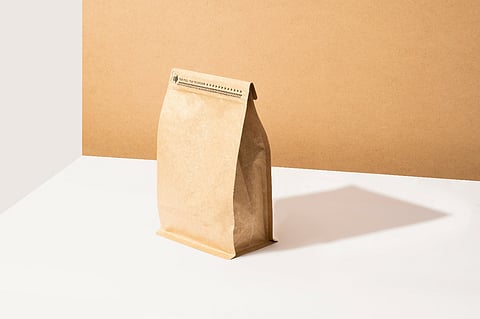
For example, a gourmet bakery may need elegant boxes for gift collections, while a premium coffee company might prefer specially designed pouches that protect freshness and create shelf appeal.
Investing in custom food packaging can help businesses develop packaging that reflects their identity while meeting practical product requirements.
And there's another advantage: distinctive packaging can encourage customers to share their purchases on social media, giving brands additional exposure.
Modern consumers are paying closer attention to the environmental impact of the products they purchase. Packaging is naturally part of that conversation.
Premium food brands can explore recyclable materials, responsibly sourced paper, reduced packaging waste, and other environmentally conscious options.
However, sustainability should never come at the expense of food safety. The chosen material must still protect the product and meet relevant food-contact requirements.
The goal is to find a sensible balance between environmental responsibility, durability, and attractive presentation.
Packaging is one of the most important parts of building a successful premium food brand. It protects products, communicates quality, strengthens brand recognition, and influences how customers experience a purchase.
A great food product deserves packaging that does it justice.
And while investing in thoughtful packaging may require additional planning, the benefits can extend far beyond appearance. When customers recognise a brand, trust its quality, and enjoy using its products, they're more likely to return.
For premium food businesses, packaging isn't just the final step in production. It's an important part of the brand experience itself.
Inspired by what you read?
Get more stories like this—plus exclusive guides and resident recommendations—delivered to your inbox. Subscribe to our exclusive newsletter
The products and experiences featured on RESIDENT™ are independently selected by our editorial team. We may receive compensation from retailers and partners when readers engage with or make purchases through certain links.