
- Locations
- Interviews
- Luxury Home
- Luxury Lifestyle
- Luxury Travel
- Luxury News
- Events
- More
- Magazine

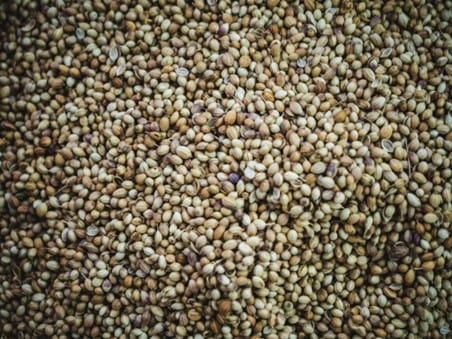
You may have noticed cannabis and hemp seeds popping up everywhere recently. They’re being added to muesli mixes and smoothies, sprinkled over salads, blended into pestos, and baked into muffins and cookies.
There's a good reason for this. Not only do they have a lovely nutty flavour, but these seeds are also a great source of protein and fatty acids. Add to this their serious sustainability credentials, and it’s easy to see why they’ve become so popular.
But, before you jump on the hemp seed train, there are a few things you need to know.
The rapidly growing popularity of hemp seeds is largely due to their unique nutritional value.
Much like the other so-called “super seeds”, flax and chia, they are gluten-free and a great source of protein and fibre. They also contain a high concentration of the heart-healthy polyunsaturated fatty acids, omega-3 and omega-6.
What sets hemp seeds apart is the specific balance of these nutrients.
Compared to flax and chia, hemp has a much higher protein content, around 9.5g per 30g serve. This puts it on par with soybeans, which are widely considered to have the highest concentration of plant proteins.
Importantly, hemp seeds are a complete source of protein. They contain all nine of the essential amino acids the body cannot produce, which is relatively rare for plant proteins. As such, they can be a really valuable addition to any meat-free diet.
The body cannot produce essential fatty acids, like omega-3s and omega-6s, either, so we must get these from our diet too. Ideally, we should get a balance of these, with the ideal ratio being 4:1 (omega-6s to omega-3s) or lower. Hemp seeds can help to achieve this, typically providing fatty acids at a ratio of between 2:1 and 3:1.
As a result of all of this, adding hemp seeds to your diet could help improve several key health markers.
Most significantly, it may help reduce your risk of heart disease by limiting cholesterol absorption and boosting vascular function. It could also help increase brain function, thanks to the high levels of Alpha Linolenic Acid (ALA). ALA is an omega-3 that fuels the building of brain cell membranes and neuron growth.
There is also some evidence that the essential fatty acids in hemp seeds can aid in skin repair. Specifically, they can help reduce inflammation and strengthen your skin’s moisture barrier.
All that being said, hemp seeds should always be treated as a dietary supplement, not a treatment. If you need help managing heart disease, skin conditions, or mental health concerns, please consult your GP.
Given that they come from quite a notorious family, you probably have some questions about hemp seeds.
Yes, they come from the cannabis plant. Yes, that cannabis plant.
No, they’re not illegal to buy in Australia. No, eating them won’t get you high.
Both dietary hemp and medicinal cannabis come from Cannabis Sativa plants. Hemp seeds come from a distinct variety, specially bred to have very low levels of tetrahydrocannabinol (THC), cannabis’s psychoactive ingredient. Whereas, medical cannabis products are derived from the flower of a different specialised variety, which has a high cannabinoid (THC and/or CBD) content.
So, while they are similar, they are distinctly different products. This is also reflected in their availability.
As a controlled medicine, medicinal cannabis must be prescribed by an authorised doctor to be legally bought and used in Australia. Food-grade hemp seeds, on the other hand, have been permitted for retail sale since 2017. To be eligible for this, though, products have to meet requirements set out in the Australia New Zealand Food Standards Code.
When you’re trying to live more sustainably, shopping local just makes sense. It’s even more important when purchasing any cannabis-adjacent products, as it reduces the risk and avoids potential issues.
Some overseas sites promise high-quality, low prices, and easy delivery. However, most of these suppliers are less than reputable, and the standard of produce can vary greatly. Australia’s strict import controls also mean your order may need to be inspected and tested, and may not clear customs.
Buying from a trusted, locally-based distributor, like CG Australia, avoids most of these challenges. It guarantees that the product you receive will be accurately labelled, ethically produced, and meet Australian standards. It also supports Australian growers and helps strengthen this innovative local industry.
Inspired by what you read?
Get more stories like this—plus exclusive guides and resident recommendations—delivered to your inbox. Subscribe to our exclusive newsletter
The products and experiences featured on RESIDENT™ are independently selected by our editorial team. We may receive compensation from retailers and partners when readers engage with or make purchases through certain links.