
- Locations
- Interviews
- Luxury Home
- Luxury Lifestyle
- Luxury Travel
- Luxury News
- Events
- More
- Magazine

The skincare routine of people has changed considerably in recent years. It is no longer limited to a simple combination of cleanser, moisturizer, and sunscreen and has expanded into a broader approach that includes other healthy habits, such as restful sleep, nutrition, exercise, and stress management.
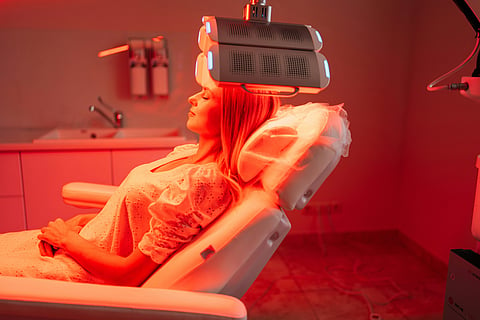
Red light therapy (RLT) is another effective tool that is slowly becoming a part of this comprehensive beauty and skincare routine. It is also becoming more accessible, thanks to the availability of compact yet technologically advanced red light devices designed specifically for at-home use.
This article explains how this new wellness ritual could contribute to a healthier and younger-looking appearance and how to fit RLT into your modern skincare routine.
A wider range of benefits, safety, simplicity, and ease of use are some factors that make red light therapy appealing to most users.
Red light and near-infrared light, unlike ultraviolet light from the sun, are non-ionizing. This means they do not damage cellular DNA or cause sunburns, making RLT a safe and gentle approach to support your skin health.
Plus, most red light devices available today are simple and easy to use. These benefits make red light therapy a convenient yet effective way to improve your skin health.
Red light therapy, also known as photobiomodulation, may promote healthier skin by acting at the cellular level. It works by releasing wavelengths of red and near-infrared light in the range of 630 nm to 850 nm. These wavelengths tend to interact with cells, stimulate mitochondrial activity, and promote the natural repair and healing processes of the body, thereby supporting gradual improvement in the appearance of the skin. The improved mitochondrial activity is expected to enhance the production of energy in skin cells and help them function more efficiently.
In addition, red light therapy may also increase the production of collagen in the skin. The increase in collagen levels might improve skin texture, fade signs of aging, and promote a healthier, younger-looking complexion. RLT may also reduce inflammation and increase blood circulation, thus enhancing the supply of oxygen and healing nutrients to skin cells and facilitating repair and renewal.
These benefits of red light therapy might slow the aging process and contribute to younger, firmer-looking skin.
Here are some simple steps to make red light therapy a realistic and sustainable part of your skin care routine:
Pick a convenient time, such as after your morning shower or during your evening wind-down. This will help the sessions become part of your existing routine.
Make sure your skin is clean and dry, and avoid applying skincare products to ensure the light reaches the deeper layers.
Position the device at the distance recommended by the manufacturer and use it for the suggested session duration.
Apply your usual moisturizer, serum, or other skincare products after your session, based on the specific needs of your skin.
Use RLT consistently. Pay attention to how your skin responds. You may reduce the duration of sessions or stop using it if you experience irritation or discomfort.
Here are some key technical details you can consider to ensure the safety and optimal performance of your RLT device:
Check wavelengths: Look for clearly stated wavelengths, such as 630 to 660 nm for red light and around 830 nm for near-infrared light.
Compare irradiance: Check the irradiance rating of the device, usually expressed in mW/cm².
Consider coverage: Choose a device that suits your specific needs. For example, a portable red light therapy panel may be suitable for treating small areas of the skin, while a larger panel may be recommended if you want to use RLT for wider body coverage.
Look at safety and design: Consider features like eye protection, heat management, build quality, positioning, warranty, and relevant safety or regulatory information.
Modern wellness is about creating experiences that are convenient, comfortable, and sustainable, and red light therapy fits naturally into this shift.
Some of the latest at-home devices are simple and compact enough to make RLT part of your quiet daily ritual rather than another task on a busy schedule. You can use a facial RLT device while listening to music in the evening, incorporate the sessions into your post-workout recovery routine, or set aside a few minutes before bedtime for uninterrupted self-care.
Red light therapy may offer a safe and effective way to enhance skin health and improve your overall wellness. Research suggests that specific wavelengths of red light may positively influence cellular processes. This might promote rejuvenation, reduce the appearance of wrinkles and fine lines, and restore a more youthful appearance.
However, RLT works best when incorporated into your existing skin care routine, not as a replacement for healthy habits such as sunscreen use, nutrition, and sleep.
You may consider red light therapy as a broader approach to supporting your skin health. It is advisable to choose a device with clearly stated specifications, follow its instructions, and use it consistently to ensure you achieve the expected benefits.
Inspired by what you read?
Get more stories like this—plus exclusive guides and resident recommendations—delivered to your inbox. Subscribe to our exclusive newsletter
The products and experiences featured on RESIDENT™ are independently selected by our editorial team. We may receive compensation from retailers and partners when readers engage with or make purchases through certain links.