
- Locations
- Interviews
- Luxury Home
- Luxury Lifestyle
- Luxury Travel
- Luxury News
- Events
- More
- Magazine

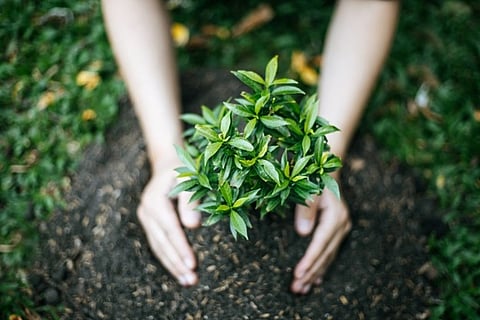
For years, leisure has often been framed as escape. Watch something, scroll through something, book something, or simply switch off after a long day. Yet another kind of downtime is becoming increasingly appealing: spending free time caring for something that changes gradually because of your attention.
That might mean growing herbs on a windowsill, keeping houseplants alive, baking sourdough, maintaining an aquarium, restoring furniture, or tending a vegetable garden. These activities are not completely passive, but that may be exactly why people enjoy them.
Instead of demanding instant results, they reward patience. They give people a small project to return to and a visible sense of progress that cannot be refreshed, streamed, or hurried along.
Rest and inactivity are often treated as interchangeable, but they are not always the same thing. Plenty of people find it difficult to relax while doing absolutely nothing. Their minds keep running through tomorrow's jobs, unanswered messages, and everything they think they should be doing.
Watering plants, kneading dough, pruning a garden, or painting a piece of furniture gives the mind something specific to focus on. The task is clear, but the stakes are usually low. Nobody needs to hit a quarterly target while repotting a fern.
This creates a different relationship with free time. Rather than consuming entertainment until the evening disappears, people can finish with something tangible: a plant that has grown, a meal they made, or a project that looks slightly better than it did yesterday.
Many parts of everyday life are designed around speed. Messages arrive instantly. Entertainment loads on demand. Purchases can appear at the door with remarkably little effort.
Living things ignore that pace.
A seed will not grow faster because you are impatient. A garden cannot be completed in an afternoon and then forgotten. Even a simple houseplant requires you to notice changes over time.
That slower rhythm can be part of the attraction. It gives people a reason to notice small developments rather than chase constant novelty.
Gardening is perhaps the clearest example, although the principle applies to many hobbies. Some people grow vegetables or flowers. Others become interested in specialist plants or forms of home cultivation that are legal where they live.
The important part is the process. You learn what works, make mistakes, adjust your approach, and become more observant along the way.
The best nurturing hobby is not necessarily the one currently filling social feeds. It is the one you are willing to return to regularly.
Someone with limited space might enjoy herbs, houseplants, or a small indoor growing setup. Someone with a backyard might prefer vegetables, flowers, or a more involved garden project. Others may have specialist interests and want to learn about particular varieties or growing techniques.
Adults researching legal cannabis cultivation and specific seed varieties can find this information now from Grower's Choice Seeds.
That kind of specialist interest fits into a much broader trend: people increasingly want hobbies that give them something to learn, monitor, and develop over time. Before choosing a project, ask a few practical questions:
How much space can you realistically give it?
How often will it need your attention?
Do you enjoy learning through trial and error?
Are there local rules affecting what you can grow or keep?
Will you still enjoy the process if the results take time?
Those questions matter because nurturing is only relaxing when the responsibility feels manageable. A hobby should add texture to your free time, not become another obligation hanging over you.
A finished project can be satisfying, but nurturing hobbies make the middle interesting too.
Someone growing plants begins to notice small signs that once went unnoticed. New leaves appear. Soil dries at a different rate. Light changes with the season. A method that failed once may work after a small adjustment.
That learning process gives the hobby momentum.
It also makes progress personal. Two people can begin with the same basic materials and end up developing completely different routines. One becomes fascinated by propagation. Another wants to grow food. Someone else may care more about creating an attractive indoor space.
The hobby gradually takes shape through the person doing it.
This differs from leisure built around passive consumption, where the experience arrives largely complete. When you nurture something, you contribute to the outcome. The result carries traces of your decisions, consistency, and growing knowledge.
You do not need a large garden or hours of spare time to bring this kind of leisure into everyday life. A small ritual is enough.
You might spend ten minutes checking plants before breakfast, cook something from scratch on Sunday afternoons, maintain an herb garden on the balcony, or dedicate part of the weekend to a longer-term creative project.
The trick is keeping the activity separate from productivity pressure. Not every interest needs to become a side hustle, content opportunity, or personal-development project.
Sometimes a plant can simply be a plant.
That mindset can make nurturing hobbies particularly refreshing. Progress matters, but performance does not have to. You can learn gradually, change your mind, abandon one approach, and try another without turning the experience into a competition.
There is something unusually satisfying about spending leisure time on something that needs patience rather than urgency.
Nurturing hobbies give people a reason to slow down while remaining engaged. They replace instant results with gradual change and passive entertainment with participation. More importantly, they can make ordinary free time feel distinctive without requiring an elaborate plan.
If you want to try the idea yourself, start small. Choose something that genuinely interests you, make sure it fits your available time and space, then allow yourself to be a beginner.
The most rewarding part may not be what you eventually grow, make, or restore. It may be having something worth returning to and watching it change, little by little, because you kept showing up.
Inspired by what you read?
Get more stories like this—plus exclusive guides and resident recommendations—delivered to your inbox. Subscribe to our exclusive newsletter
The products and experiences featured on RESIDENT™ are independently selected by our editorial team. We may receive compensation from retailers and partners when readers engage with or make purchases through certain links.