
- Locations
- Interviews
- Luxury Home
- Luxury Lifestyle
- Luxury Travel
- Luxury News
- Events
- More
- Magazine

An apartment can make a strong first impression with quality materials, distinctive furniture, and a cohesive interior. You only find out how well it works day to day once you’ve lived there for a while.
When three nights turn into three months, you start looking at an apartment differently. Suddenly, it matters whether the dining chairs stay comfortable through a long dinner, whether there’s a proper place for your laptop, and whether you have enough storage for clothes, suitcases, and groceries.
For extended business stays, good design needs to do both: look appealing and make daily life easier.
A designer chair can be a statement piece and still be exceptionally comfortable. An elegant kitchen countertop can look beautiful while standing up to daily use. The key is to consider comfort and durability from the start, alongside appearance.
Choosing furniture means thinking about how people will use it as well as how it looks. A sofa should invite you to settle in for a while. A nightstand needs room for a book, a glass of water, and a phone. Materials should feel pleasant and handle everyday use without requiring special care or constant attention. If guests are always worried about leaving a mark, it becomes harder to feel at ease.
Proportions and spacing matter just as much. A large dining table only works if there’s enough room to pull out the chairs comfortably. A spacious wardrobe needs doors that open fully without hitting another piece of furniture.
Having breakfast, taking a video call, relaxing in the evening: an apartment serves several purposes during an extended business stay. A thoughtful layout gives each activity its own space.
A dedicated work area lets guests leave their laptops and paperwork in place without clearing the dining table before every meal. A separate seating area gives you somewhere to relax away from your desk.
This doesn’t necessarily require separate rooms. An open floor plan can work well when furniture placement, rugs, or different light sources define distinct areas. What matters is that the layout supports daily routines and leaves enough room to move around comfortably.
Guests traveling with a partner or family also benefit from places where they can have some privacy. When one person is still on a call and another wants to read or watch TV, a little separation makes a real difference.
A laptop on the kitchen table is fine for a quick email. Several hours of focused work call for more.
A good workspace needs a spacious desk, a supportive, adjustable chair, and adequate lighting for working after dark. There should be room for paperwork or an extra monitor alongside the laptop. Outlets need to be within reach, and fast, reliable internet is essential.
Listing photos and floor plans should make it easy to see whether there’s a dedicated workspace and what kind of chair it includes. Clear information about internet speeds at the desk is also more useful than a general mention of “Wi-Fi,” especially for guests who rely on video calls.
Placement matters, too. Natural light is welcome, but glare on the screen isn’t. A desk positioned so daylight falls from the side, with blinds or shades to control glare, often works well.
The desk and chair should feel like they belong in the apartment, too.
The lighting you need for work isn’t necessarily what you want when you settle onto the sofa at night. It shapes how bright, open, or cozy an apartment feels. A single overhead fixture rarely meets all of these needs.
Large windows bring daylight into the rooms where guests spend the most time, particularly the living and dining areas. At breakfast, a seat by the window lets you take in the weather and watch the neighborhood wake up.
Natural light is a welcome feature in the bathroom, too. It makes the space more inviting and helps with everyday grooming. Even lighting around the mirror is also important to illuminate the face without harsh shadows.
Throughout the day, different light sources serve different purposes: focused task lighting at the desk, bright lighting over kitchen counters, and comfortable lighting above the dining table. In the evening, warm, indirect light creates a more relaxed atmosphere. A floor or reading lamp makes it possible to enjoy a book without brightly lighting the entire room.
This flexibility is especially useful during the darker months. When the sun sets early, the apartment still needs to work well for cooking, working, and relaxing. Dimmable lights and fixtures with separate switches let guests adjust the lighting to suit their routines.
For a weekend, an open suitcase next to the bed may be enough. On a longer stay, guests want to unpack and make themselves comfortable.
You need somewhere to put your clothes, shoes, work things, and other belongings. A closet or wardrobe with a useful mix of hanging space, shelves, and drawers makes this easier. There should also be somewhere to store an empty suitcase so it doesn’t stay in the way.
Bathroom cabinets or generous shelves make daily routines easier. Near the entrance, space for coats and shoes and a small spot for keys help keep things organized. Kitchen cabinets need room for groceries, rather than being completely filled with the apartment’s dishes and equipment.
Storage behind doors and inside drawers keeps tables and counters clear and helps the apartment feel less cluttered. Personal items stay within reach without being left out on every surface.
After a few weeks away, you may feel like making dinner yourself. A familiar breakfast, a quick lunch, or a favorite dinner brings a sense of routine to the day. Having a kitchen also means less reliance on restaurant hours and delivery services.
That kitchen needs to be set up for regular cooking. Enough counter space, an adequately sized refrigerator, good pans, sharp knives, and plenty of dishes are the essentials.
The layout matters as much as the equipment. There should be space to prep food between the sink and cooktop. Frequently used utensils need to be easy to reach, and appliances shouldn’t take up every available surface. A dishwasher and an effective range hood make daily life easier, especially when the kitchen opens into the living area.
Additional appliances can be useful, too. Guests who make a smoothie every morning or regularly use an air fryer at home may appreciate having those options during an extended stay.
It also helps to have somewhere inviting to sit down and eat. A table with enough space and comfortable chairs provides a place for everyday meals and makes it possible to invite coworkers or friends over for dinner.
After a long workday, what matters is whether the apartment gives you a place to truly unwind.
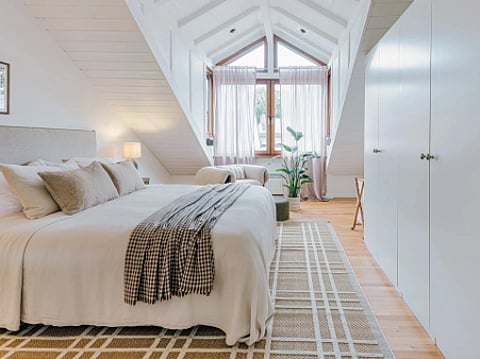
That starts with the basics: a good mattress, a bed with enough room, a comfortable temperature, quiet surroundings, and window coverings that actually darken the bedroom. A comfortable sofa and inviting lighting also make an evening at home more appealing.
On a longer stay, guests also want to keep doing the things they enjoy at home. A private home gym makes it easier to maintain a workout routine, while a sauna offers a place to relax without another trip or appointment.
For someone who trains most evenings, the gym may get daily use. Others may prefer a quiet balcony and a comfortable chair, a spacious living area, or a good setup for movie nights. The most valuable extras are the ones guests actually use.
An extended work assignment often involves more than a new workplace. In another country, guests also need to find their way around, figure out where to shop, and establish a daily routine. The apartment becomes a private home base as life in the new location gradually becomes more familiar.
These everyday needs become especially clear in places where people relocate for work and stay for several months. Around Ramstein Air Base in Germany, for example, furnished apartments from Stay Eden combine equipped kitchens and private laundry facilities, with some also offering fitness and wellness amenities. For guests settling into a new country, these features help turn an unfamiliar apartment into a place where familiar routines can continue.
The furniture may be what catches your eye on arrival. A few weeks later, you’re more likely to appreciate the chair you can sit in all evening, the bedside light you can reach without getting up, or the space to leave your work until morning. Those details rarely dominate the listing photos, but they make a difference when an apartment is home for a few months.
Laura Gerdes works in the furnished housing sector in the Kaiserslautern Military Community (KMC), Germany. She writes about extended stays, temporary housing, and everyday living for international and business travelers.
Inspired by what you read?
Get more stories like this—plus exclusive guides and resident recommendations—delivered to your inbox. Subscribe to our exclusive newsletter
The products and experiences featured on RESIDENT™ are independently selected by our editorial team. We may receive compensation from retailers and partners when readers engage with or make purchases through certain links.