
- Locations
- Interviews
- Luxury Home
- Luxury Lifestyle
- Luxury Travel
- Luxury News
- Events
- More
- Magazine

Most people start shopping for a vacation home with a picture in their head. A ski lodge with snow on the deck. A house where you can hear the waves at night. A villa on an island you fell in love with years ago.
That picture matters. But the place you choose shapes much more than the view. It decides how often you will actually go, what the house will cost to keep, and how much of your time it will take.
Here is how the three most popular settings compare, and the questions worth asking before you commit to one.
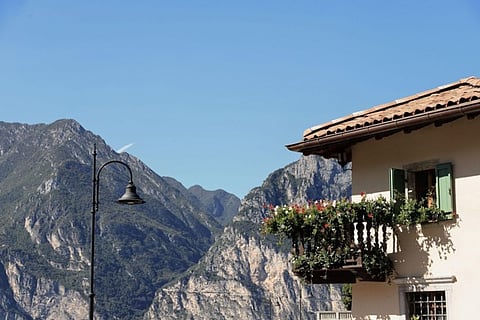
Mountain towns offer something rare: two strong seasons. Winter brings skiing and snow. Summer brings hiking, biking, golf, and cooler air when cities are hot.
That can mean more reasons to visit, and in many resort towns, more demand from renters if you plan to rent the home when you are not using it.
The trade-offs are practical. Snow has to be cleared. Pipes have to be protected. Roofs need checking after heavy winters. Getting there can also be harder than it looks on a map, since winter weather can delay flights into smaller regional airports and close mountain roads.
A mountain home suits people who love being active outdoors, plan to visit in more than one season, and are comfortable with a little more upkeep.
For many buyers, nothing beats waking up near the water. Beach homes are easy to enjoy. Days are simple, and family and friends are always happy to visit.
Coastal living does bring its own costs. Salt air is hard on paint, metal, decks, and air conditioning systems, so maintenance is steady. Insurance can also be a bigger line item near the water, especially in areas exposed to hurricanes or flooding. On the Atlantic and Gulf coasts, hurricane season runs from June through November, which can overlap with some of the best months to visit.
Before you buy, check the flood zone, ask local agents what owners pay for insurance, and look at how the home has held up through past storms.
A beach home suits people who want an easy, relaxed place to gather, and who are ready for the extra care the coast demands.
An island home can feel like a true escape. The pace is slower, the scenery is often stunning, and every visit feels like a real trip.
That sense of distance is also the main challenge. Travel days are longer, and a quick weekend may not be realistic. Finding reliable contractors and property managers can take time, and repairs may move slowly when parts have to be shipped in.
Owning abroad adds another layer. Rules for foreign buyers differ from country to country. In Mexico, for example, foreigners who buy near the coast typically hold the property through a bank trust rather than owning it directly. Taxes, currency swings, and local rental laws all need attention, so working with a local attorney is essential.
An island or international villa suits people who want a complete change of scene and are willing to plan around longer trips and more paperwork.
Whatever setting you are drawn to, these questions can help you test the dream against real life.
How long does it take to get there, door to door? Count the whole journey, not just the flight. A home that takes a full day to reach will see fewer visits.
Which months will you actually use it? Match the location’s best season to your own calendar, including school breaks and work.
Who will look after it when you are away? Decide on a property manager, a caretaker, or a trusted local before you buy, not after.
Can you rent it out, and do you want to? Many towns and homeowner associations limit short-term rentals. Check the rules first if rental income is part of the plan.
How easy will it be to sell? Popular locations tend to attract more buyers, but every market has slow periods.
Some buyers love the mountains in winter, the beach in summer, and a European city in the fall. Choosing a single home means giving up the others.
That is why shared ownership models have grown. Some let several buyers co-own one home. Others pool investors’ money in a fund that holds homes in many places. Equity Residences, for example, runs funds that buy luxury homes in destinations such as Maui, Park City, Lake Tahoe, and Costa Rica, and lets investors stay in the homes during the hold period.
These models come with their own trade-offs. You give up some control over the home and the timing of a sale, and private funds are usually open only to accredited investors. As with any property decision, read every document closely and have an advisor review it.
The best second home is not always the most beautiful one. It is the one you will actually use, can afford to keep, and enjoy coming back to year after year.
Start with how you like to spend your time. Then pick the place that fits that life, not just the picture in your head.
Inspired by what you read?
Get more stories like this—plus exclusive guides and resident recommendations—delivered to your inbox. Subscribe to our exclusive newsletter
The products and experiences featured on RESIDENT™ are independently selected by our editorial team. We may receive compensation from retailers and partners when readers engage with or make purchases through certain links.