
- Locations
- Interviews
- Luxury Home
- Luxury Lifestyle
- Luxury Travel
- Luxury News
- Events
- More
- Magazine

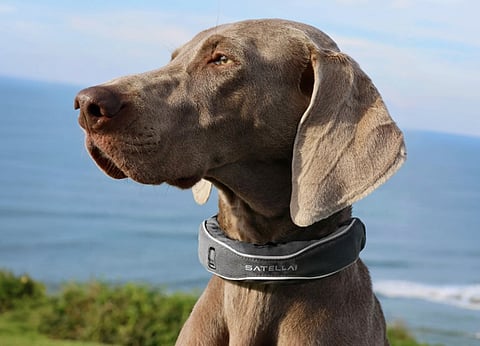
A spacious property changes the way a dog shares life at home. There is room to sniff, play, and follow familiar paths, but also more ground for an owner to keep in view. The SATELLAI Collar addresses that setting with GPS virtual fences, configurable boundary feedback, and live location tracking built into a smart dog collar.
For households planning outdoor time on a larger property, the interest is practical: defining an appropriate area, introducing a consistent boundary routine, and keeping location information close at hand. SATELLAI brings these functions together around the relationship between a dog, its owner, and the space they share.
A garden rarely follows a perfect circle. A lawn may open onto another part of the property, while a driveway, planting area, or service entrance calls for a different arrangement. The SATELLAI Collar supports custom-shaped GPS fences and no-go zones, allowing owners to plan boundaries around an appropriate outdoor area.
That flexibility is useful when considering how the household uses the grounds. An owner might plan supervised play within one section while keeping a separate route available for visitors or maintenance. The virtual layout should be checked against the actual setting, with sensible margins from roads and other hazards.
The manufacturer positions the dog collar for compatible medium-to-large dogs and planned virtual-fence areas of at least 0.5 acres. For an owner with that space, the decision becomes a question of matching the dog's needs with the property layout. It is a focused use case for a device built around outdoor boundary support.
The SATELLAI Collar pairs its GPS virtual fence with customizable boundary feedback. Owners can adjust settings within the product's available options and introduce the system through the recommended training process. The goal is to make the chosen boundary part of a consistent, supervised experience.
That introduction deserves a place in the household schedule. Keep the same area and cues while the dog learns, follow the manufacturer's instructions, and seek qualified guidance when needed. If several people handle outdoor time, agreeing on the routine helps keep the dog's experience consistent.
There is no reason to rush the process to fit a weekend plan. A considered approach gives the owner time to check the setup and observe the dog. GPS boundary support sits alongside supervision, secure access, and existing physical safeguards.
Live tracking gives the owner another way to check where the dog is during an outdoor session. On a larger property, a garden path, or stretch of planting may limit the view from one spot. Location information can help an owner decide where to look and move, while continuing to supervise the dog.
Location history adds a record to review afterward. It can prompt useful questions about where the dog spends time and how an outdoor session unfolded. That record complements the owner's observations rather than turning the afternoon into constant screen time.
The practical advantage is having boundary support and location information in the same device. The owner can prepare the outdoor area, introduce the routine, and consult the app any time they have questions or encounter issues. Each feature serves a different part of the session.
A family member or regular caregiver should know which outdoor area is in use and how the dog has been introduced to it. Keep responsibility for app checks, charging the dog collar, and responding to mobile notifications clear. Follow the supported account and access arrangements rather than assuming every caregiver automatically receives the same information.
A regular charging place makes preparation easier. The manufacturer lists up to three days of battery life for the SATELLAI Collar, which may vary in actual use depending on operating conditions and settings. Planning charging around the household's outdoor schedule keeps it part of the ordinary routine.
Before purchase, owners should confirm SATELLAI's smart dog collar and GPS fence can comfortably fit their dog, has supported connectivity at the property, and that they are prepared to purchase the telecom plan needed for the full connected features. These are practical setup choices that help the system suit the home. They also give the household a shared starting point for using it.
The SATELLAI Collar has a clear role in larger-property living: linking a planned virtual area, configurable feedback, and GPS information in one wearable. The result is a more organized way to approach supervised outdoor time. Owners can shape the routine around the space rather than add technology without a specific purpose.
For a dog-friendly home, that purpose matters. The yard remains a place for interaction and exploration, with boundary training and location awareness supporting the care around it. Thoughtful outdoor living is reflected in how well those details work together each day.