
- Locations
- Interviews
- Luxury Home
- Luxury Lifestyle
- Luxury Travel
- Luxury News
- Events
- More
- Magazine

Keeping a home organised can be challenging when books, decorative accessories, documents, and everyday belongings begin to accumulate. Without suitable storage, even a spacious room can quickly appear cluttered. The right furniture helps maintain order while adding character to the interior. By combining practical storage solutions with thoughtful design, homeowners can create comfortable spaces that remain attractive and functional.
Storage plays an essential role in maintaining a tidy living environment. When belongings have designated places, it becomes easier to find what you need and keep surfaces clear. An organised room also feels more comfortable because there is less visual clutter competing for attention.
Different rooms require different storage solutions. Living rooms may need space for books, photographs, and decorative objects, while home offices benefit from accessible shelves for reference materials and documents. Bedrooms can use storage furniture for personal collections and accessories.
Before choosing any storage unit, consider the items you want to keep, how frequently you use them, and the amount of available space. These factors will help you select furniture that suits your lifestyle rather than simply filling an empty corner.
In smaller homes, floor space is often limited. One effective way to increase storage capacity is to use the height of a room rather than relying entirely on low furniture. Vertical storage can accommodate a surprising number of belongings without occupying a large footprint.
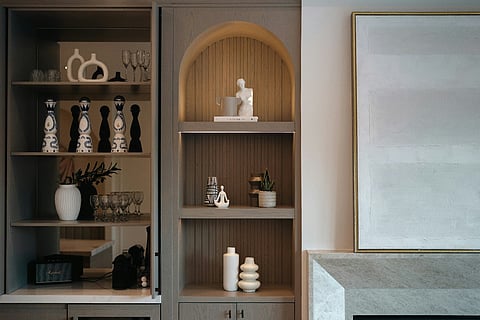
A tall bookcase is a practical choice for displaying books, organising household items, and showcasing decorative accessories. Its vertical design makes efficient use of wall space, making it particularly useful in apartments, compact bedrooms, and home offices.
When selecting a bookcase, measure the available height and width carefully. Consider the ceiling height, nearby windows, and any furniture that might restrict access. A unit with adjustable shelves can offer additional flexibility for storing items of different sizes.
For safety, tall furniture should be installed according to the manufacturer's instructions and secured to the wall when recommended. This is especially important in homes with children or pets.
Shelving becomes more effective when its contents are arranged thoughtfully. Books can be grouped by subject, author, size, or personal preference. This makes it easier to locate a particular title while giving the shelves a more organised appearance.
You do not need to fill every shelf completely. Leaving some open space can prevent the arrangement from looking crowded. Decorative objects, small plants, framed photographs, and attractive storage boxes can introduce variety without overwhelming the collection.
A balanced arrangement often combines practical items with a few decorative pieces. For example, a row of books can sit alongside a small plant or a framed photograph. Repeating similar colours or materials across different shelves can help create a coordinated look.
For frequently used reference books, place the most important titles at an accessible height. Items that are rarely needed can occupy higher shelves, provided they can be reached safely.
Storage furniture should work with the room's existing style. Wooden finishes can create a warm, traditional atmosphere, while white and other light colours often suit bright, contemporary interiors. Dark finishes can provide contrast and make decorative objects stand out.
Consider the materials and colours already present in your home. Matching every piece of furniture is unnecessary, but choosing complementary finishes can help create a cohesive appearance.
The design should also suit the room's purpose. A home office may benefit from a simple bookcase that prioritises easy access, whereas a living room might use shelving as a display feature. In a bedroom, a compact arrangement can provide additional storage without interfering with relaxation.
Regular maintenance helps preserve both the appearance and usefulness of storage furniture. Dust shelves periodically, and avoid placing excessive weight on individual sections. Always follow the manufacturer's guidance regarding weight limits and cleaning products.
Review your collection occasionally and remove items you no longer need. Donating unwanted books or reorganising unused accessories can free up valuable space.
It is also helpful to keep frequently used belongings within easy reach. This reduces unnecessary handling and makes everyday routines more convenient. If you store small objects on open shelves, baskets or labelled boxes can prevent them from becoming scattered.
Effective storage can transform the way a home looks and functions. By using vertical space, arranging belongings thoughtfully, and selecting furniture that complements the interior, homeowners can create rooms that feel organised and welcoming. Well-planned shelving provides a practical place for books and personal collections while offering opportunities to display meaningful decorative items. With regular maintenance and a little creativity, storage furniture can become an attractive and useful part of any home.
Inspired by what you read?
Get more stories like this—plus exclusive guides and resident recommendations—delivered to your inbox. Subscribe to our exclusive newsletter
The products and experiences featured on RESIDENT™ are independently selected by our editorial team. We may receive compensation from retailers and partners when readers engage with or make purchases through certain links.