
- Locations
- Interviews
- Luxury Home
- Luxury Lifestyle
- Luxury Travel
- Luxury News
- Events
- More
- Magazine

If you own a home, your roof quietly does one of the hardest jobs on the property. It takes sun, rain, wind, debris, and the occasional surprise storm without asking for applause. When it starts failing, the costs can spread well beyond shingles. A new roof is not just a repair decision. It affects comfort, resale value, insurance conversations, and how confidently you can maintain the rest of your home.
Even premium roofing products can fail early if the installation is sloppy. Poor flashing, weak underlayment, bad ventilation, and incorrect shingle placement can all shorten a roof’s life. In other words, the fanciest materials in the world won’t save a careless install.
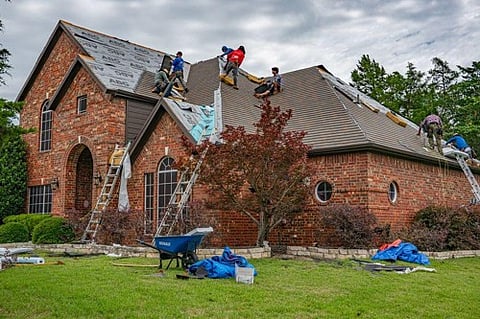
That’s why it helps to understand what professional roofing installation actually includes. It’s not just laying down shingles. It involves preparing the deck, addressing damaged sections, installing moisture barriers, ensuring proper ventilation, and finishing vulnerable areas like valleys, chimneys, and vents with precision.
Ask contractors detailed questions about process, timelines, cleanup, permitting, and inspections. If someone gets vague the moment you ask technical questions, consider that a warning sign wearing a tool belt.
It’s easy to think of a roof as a surface-level feature until problems start showing up indoors. Water stains on ceilings, peeling paint near trim, moldy attic insulation, and rising energy bills often trace back to roofing issues. What looked like a small exterior problem can turn into a chain reaction.
A new roof changes more than curb appeal. It can improve ventilation, strengthen weather protection, and help your HVAC system work less. Buyers also notice it quickly. If your current roof is near the end of its life, replacing it may protect your home’s value more effectively than spending the same amount on trendier updates.
That makes the project less glamorous than a kitchen remodel, but often more urgent and more financially strategic.
Roofs rarely fail all at once. They usually drop hints first, and ignoring them tends to get expensive. Missing shingles, curling edges, granule loss in gutters, sagging spots, or repeated leaks after storms all deserve attention. So does daylight peeking into the attic where it clearly shouldn’t be auditioning.
Age matters too. Asphalt shingle roofs often last around 20 to 30 years, though climate, installation quality, and maintenance can push that number up or drag it down fast. A roof in a hot, humid, or storm-prone area usually ages harder than one in milder conditions.
If repairs are becoming routine, you’re no longer dealing with a one-off issue. You’re probably managing a roof that is steadily becoming unreliable.
Roofing materials are not interchangeable, even if they can look similar from the street. Asphalt shingles are common because they’re affordable and versatile. Metal roofs usually last longer and resist severe weather well, but they come with a higher upfront cost. Tile and slate can be beautiful and durable, though they’re heavier and may require added structural support.
When you compare materials, focus on more than the initial quote. Ask about life span, energy efficiency, wind ratings, repair needs, and warranty terms. A cheaper roof can become the expensive option if it needs frequent fixes or wears out early.
Your local climate should heavily influence the decision. A stylish choice that performs poorly in your region is not a smart flex. It’s just a future invoice.
Most homeowners start with the visible cost, then discover the roof has a talent for adding supporting expenses. Tear-off and disposal fees, decking repairs, permit costs, upgraded flashing, ventilation improvements, and gutter adjustments can all affect the final number.
Get multiple estimates, but don’t compare them like they’re identical shopping receipts. One quote may include underlayment upgrades and warranty coverage while another quietly leaves out important components. A lower price can simply mean more surprises later.
It also helps to ask how payment schedules work and whether financing is available. If your roof replacement is insurance-related, document damage early and keep records organized. A folder full of photos, inspection notes, and estimates can make claims far less chaotic.
You usually don’t get to schedule roof failure at your convenience, which is rude but consistent. Still, if your roof is aging and not yet leaking badly, proactive timing gives you more control. You can compare contractors carefully, select materials without rushing, and avoid emergency pricing.
Season matters in many markets. Dry, moderate weather often creates ideal installation conditions, though strong contractors can work effectively across much of the year. The bigger concern is demand. Busy seasons can limit scheduling options and stretch timelines.
Waiting until active leaks appear can also lead to collateral damage inside the home. Drywall, insulation, framing, flooring, and even electrical systems may end up involved. Replacing a roof before it turns into an indoor problem is often the cleaner and cheaper move.
If you plan to sell within the next few years, an aging roof can become a negotiation magnet. Buyers may worry about replacement costs, future leaks, or insurance complications. Some lenders and insurers also pay close attention to roof condition, especially in areas with storm exposure.
A recently replaced roof can calm those concerns quickly. It signals that a major system has been updated and lowers the chance of immediate post-sale expenses. That can strengthen your listing, reduce buyer objections, and make home inspections less dramatic.
Keep all paperwork once the project is done. Save invoices, product details, warranty information, and permit records. Buyers appreciate proof, and so do inspectors. “Trust me, it’s new” lands a lot better when you can back it up with actual documents.
A roof replacement is expensive, disruptive, and absolutely worth doing right. The smartest move is not chasing the flashiest material or the lowest bid. It’s understanding how the system works, what your home needs, and which contractor treats the job like a long-term investment instead of a fast transaction.
Before signing anything, ask for license and insurance details, local references, product options, warranty explanations, and a written scope of work. Read the estimate closely. If something sounds too easy, too cheap, or too quick, it probably is.
Your roof protects almost everything you own. Giving the project real attention now can spare you a long list of expensive headaches later. That’s a strong return from something most people only notice when it fails.
Inspired by what you read?
Get more stories like this—plus exclusive guides and resident recommendations—delivered to your inbox. Subscribe to our exclusive newsletter
The products and experiences featured on RESIDENT™ are independently selected by our editorial team. We may receive compensation from retailers and partners when readers engage with or make purchases through certain links.