
- Locations
- Interviews
- Luxury Home
- Luxury Lifestyle
- Luxury Travel
- Luxury News
- Events
- More
- Magazine

A truly exceptional home anticipates the way its occupants move through the day, accommodates their rituals, reflects their interests, and creates an atmosphere that feels unmistakably personal. For discerning homeowners, the most significant measure of luxury is increasingly found in this relationship between design and daily life.
The most successful interiors are carefully composed around the people who inhabit them. Designing around lifestyle requires creating a home where beauty and utility reinforce one another. Let’s find out below how to design a home around your lifestyle.
Before choosing materials and furniture, you must consider how the household actually functions. The most valuable design brief may have little to do with aesthetic preferences and everything to do with routine.
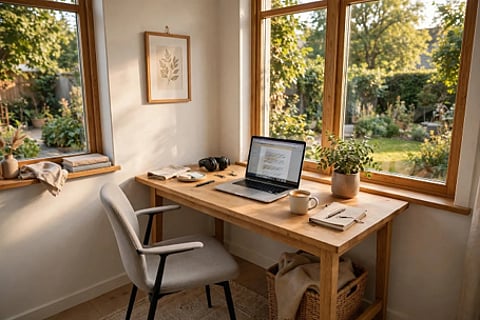
A household that entertains frequently may benefit from an elegant connection between the kitchen, dining areas, and outdoor entertaining spaces. Someone who works from home may require a dedicated office with acoustic privacy instead of a desk placed in an unused corner. Additionally, even seemingly mundane habits can also affect design.
Personalized design should not become overly specific. A sophisticated home has enough flexibility to accommodate lifestyle changes without losing its identity. This is very important for homeowners thinking beyond the present moment.
For example, a room that functions as a private study today might eventually become a library, guest suite, creative studio, or nursery. A formal dining room can be designed with enough versatility to accommodate everyday family meals as comfortably as a celebratory dinner.
Flexibility does not necessarily mean creating large, undefined rooms. Thoughtful zoning can provide multiple functions and preserve architectural character. Sliding doors, built-in cabinetry, concealed storage, movable furniture, and carefully positioned lighting can aid spaces' transition between uses without being improvised.
A home’s character is often determined by the spaces between its obvious destinations. Entryways, hallways, staircases, thresholds, and transitions between indoor and outdoor areas deserve the same level of consideration as kitchens and living rooms.
For example, a carefully designed entry can establish the emotional tone of an entire residence. A corridor can become an intricate gallery rather than merely a passageway. A strategically placed window can turn a staircase into a moment of visual connection with the landscape.
This philosophy becomes especially important when homeowners are rethinking how different parts of a property relate to one another. For example, a family seeking more usable spaces can explore options like home additions in Orange County as a part of a wider strategy to improve how existing and new spaces connect.
The most memorable homes often contain objects that cannot be purchased as a matching set. Art, books, antiques, travel discoveries, photographs, ceramics, and inherited pieces can introduce a sense of history that new furniture alone cannot replicate.
Rather than treating these possessions as accessories added after the design is complete, homeowners can allow meaningful collections to influence the composition of the interior from the beginning. For example, a large painting might establish the palette for a living room. A collection of contemporary sculpture could influence circulation and sightlines.
A lifestyle-driven home should not be governed by trends that may feel dated within a few years. Instead, materials should be chosen according to how they perform, age, feel, and interact with the occupants. This means using current influences selectively rather than allowing them to dictate the entire identity of the residence.
Instead of asking what a fashionable home should look like, consider what an exceptional home should allow you to experience. The answer will be different for every household, but the most enduring homeowners can translate their habits, passions, memories, and aspirations into architecture and interiors.
Inspired by what you read?
Get more stories like this—plus exclusive guides and resident recommendations—delivered to your inbox. Subscribe to our exclusive newsletter
The products and experiences featured on RESIDENT™ are independently selected by our editorial team. We may receive compensation from retailers and partners when readers engage with or make purchases through certain links.