
- Locations
- Interviews
- Luxury Home
- Luxury Lifestyle
- Luxury Travel
- Luxury News
- Events
- More
- Magazine
- Contact Us

A home gym sounds like one of those things people dream about when they first decide to “get fit from home.” But then reality hits—most setups end up either too bulky, too boring, or too focused on one stage of life. What actually works better is designing something that feels good to be in, fits your home aesthetic, and quietly adapts as your needs change over time.
The idea isn’t just fitness. It’s about creating a small corner of your home that supports you—whether you’re doing light stretching in the morning, strength training after work, or staying active as you get older. And honestly, when a space looks good, you naturally want to use it more.
You don’t need a full room or a basement to create a home gym. Some of the best setups start in a quiet corner of a bedroom, a spare room, or even a section of the living area that gets good natural light.
The key is to make it feel intentional. Not like equipment was just dumped there.
Think about the vibe first:
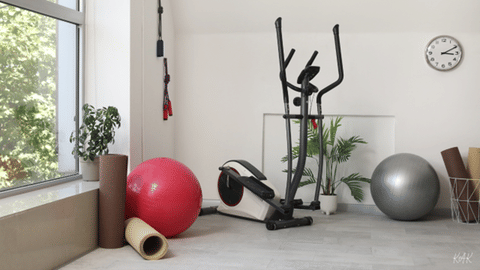
Soft lighting instead of harsh overhead bulbs. A mirror that makes the space feel open. Maybe a small plant or two to break the “fitness equipment only” look. Even something as simple as a neutral-colored mat can make a big difference in how the space feels.
It should feel like a place you want to spend time in, not a corner you avoid because it looks intimidating.
A lot of home gyms fail because they’re built for a version of you that exists only on highly motivated days. Real life is more mixed. Some days you want strength training, some days you just want to stretch your back and call it a win.
This is where flexibility matters more than intensity.
A well-designed setup often includes equipment that works across different fitness levels and ages. For example, adjustable resistance systems, compact machines, and tools that support low-impact movement can make your space more inclusive—not just for now, but for later years too.
If you’re planning long-term, it’s worth looking at options designed for sustainability and ease of use, like a home gym for active seniors. Even if that’s not your current stage of life, it’s smart to think ahead. Equipment that supports joint-friendly movement, stability, and controlled resistance tends to be useful for everyone in the household.
This is precisely why an all-in-one smart system like the Speediance Gym Monster is so forward-thinking. It’s more than just a piece of equipment; it’s an adaptive digital fitness partner. With its unique digital resistance technology and extensive library of guided workouts, it can meet your needs for high-intensity strength training today and be easily adjusted for joint-friendly, low-impact, or rehabilitative movement in the future. One single setup covers everything from strength and functional training to Pilates and yoga, perfectly aligning with the real-life demands of every stage of your fitness journey.
Here’s something people don’t talk about enough—your environment directly affects your consistency.
If your home gym feels cluttered or visually heavy, you’ll slowly stop using it. But if it blends into your home’s design, it becomes part of your routine without effort.
Try to keep things visually light. Foldable equipment helps a lot. Wall storage keeps the floor open. Neutral tones blend better with most interiors, especially if your home has a modern or minimal style.
Even mirrors aren’t just for checking form—they reflect light and make small spaces feel twice as big. That alone can change how comfortable you feel stepping into the space.
A common mistake is trying to fit everything into one corner: dumbbells, benches, machines, yoga gear, and sometimes even cardio equipment all competing for space.
Instead, think in terms of versatility.
One or two well-chosen pieces can replace a dozen bulky items. That’s where compact home gym equipment becomes a game changer. It’s not about having less—it’s about having smarter tools that adjust to different workouts.
When equipment is compact and multi-functional, it’s easier to keep the space clean. And a clean space is one you’ll actually use regularly.
You also avoid that “storage room turned gym” feeling, which no one really enjoys long-term.
A home gym shouldn’t feel like a place you rush in and out of. The more comfortable it is, the more likely you are to stay consistent.
Little details matter here:
A fan for airflow. A speaker for music or podcasts. A soft mat that doesn’t hurt your feet during longer sessions. Even keeping a towel and water bottle within reach makes the experience smoother.
These small comforts don’t seem important at first, but over time they make a huge difference in whether the space feels inviting or tiring.
And if you’ve ever skipped a workout just because the room felt “off,” you already know how real this is.
One of the smartest things you can do is design your home gym with adaptability in mind. What works for you today might not be what you need five or ten years from now—and that’s completely normal.
Maybe right now you’re focused on strength and cardio. Later, it might shift toward mobility, balance, or low-impact movement. A flexible setup allows that transition without rebuilding everything from scratch.
That’s where the idea of a home gym for active seniors becomes more relevant than it first seems. It’s really about designing for longevity—creating a space that supports movement at every stage of life, not just peak fitness years.
When your setup grows with you, it stops being a “project” and becomes part of your lifestyle.
You don’t need to get everything perfect on day one. In fact, most great home gyms evolve slowly. You add a piece here, remove something there, adjust based on what you actually use.
The most important thing is starting with a foundation that feels good—both visually and physically. From there, everything else becomes easier.
A stylish and functional home gym isn’t about copying what you see online. It’s about building a space that quietly fits into your life, supports your body, and doesn’t fight for attention in your home.
When done right, it doesn’t feel like a gym at all. It just feels like part of your home.
Inspired by what you read?
Get more stories like this—plus exclusive guides and resident recommendations—delivered to your inbox. Subscribe to our exclusive newsletter
The products and experiences featured on RESIDENT™ are independently selected by our editorial team. We may receive compensation from retailers and partners when readers engage with or make purchases through certain links.