
- Locations
- Interviews
- Luxury Home
- Luxury Lifestyle
- Luxury Travel
- Luxury News
- Events
- More
- Magazine

Energy is no longer something we simply consume—it’s something we manage. In 2026, homeowners are becoming more conscious of how electricity is generated, stored, and used. Rising energy costs, frequent power outages, and the growing adoption of solar systems have made one solution stand out: home battery storage.
Home battery storage is a system that stores electricity for later use, allowing homeowners to reduce grid dependence, lower costs, and maintain power during outages.
If you’ve ever wondered how home battery systems work or whether they are worth the investment, this guide will walk you through everything you need to know. More importantly, it will help you understand why modern homeowners are turning to advanced solutions like Avepower’s energy storage systems to gain control over their power.
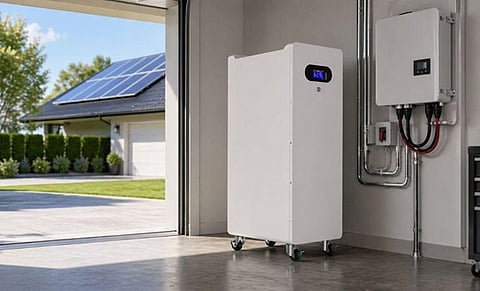
Home battery storage is a system that stores electricity for later use. Instead of relying entirely on the grid, you can store excess energy—often generated from solar panels—and use it when needed.
Think of it as a personal energy backup system. During the day, your solar panels may generate more electricity than your home consumes. Instead of sending that excess energy back to the grid, a battery system stores it. Later, when the sun goes down or during a power outage, you can use that stored energy.
In 2026, this concept is no longer a luxury—it’s becoming a necessity for households seeking reliability and independence. According to global energy reports, residential solar adoption has increased by over 30% in the past few years, making storage solutions more relevant than ever.
At its core, a home battery system works in three simple steps: charging, storing, and discharging energy.
During the charging phase, electricity flows into the battery. This energy can come from solar panels or directly from the grid when electricity rates are low. The battery then stores this energy safely using advanced lithium-ion technology.
When your home needs power—especially during peak hours or outages—the system automatically discharges stored energy. This ensures a continuous power supply without interruption.
In simple terms: home battery storage collects energy, saves it, and delivers it when you need it most.
Modern systems are smart. They monitor your energy usage, optimize storage, and even prioritize essential appliances during outages. With intelligent energy management, you’re not just storing electricity—you’re using it efficiently.
The energy landscape has changed significantly over the past few years. In 2026, several factors make home battery storage more relevant than ever.
Electricity prices are rising globally, with some regions experiencing increases of 20% or more over the last decade. Households are facing higher utility bills, making it important to find cost-saving alternatives.
Power outages are also becoming more frequent due to extreme weather and grid instability. Without backup power, even short outages can disrupt daily life, work, and security.
At the same time, solar energy adoption continues to grow. While solar panels generate clean energy, they don’t store it. Without a battery, much of that energy goes unused.
Home battery storage bridges this gap. It gives you control, reliability, and independence—all in one system.
One of the biggest advantages of home battery storage is cost savings. By reducing your reliance on grid electricity, you can significantly lower your monthly bills. Over time, this can offset the initial investment.
Another major benefit is uninterrupted power. Whether it’s a sudden outage or scheduled maintenance, a battery system ensures your home stays powered.
Energy independence is also a powerful advantage. You are no longer fully dependent on utility companies. Instead, you generate and store your own energy using a home energy storage system.
Additionally, battery storage supports a more sustainable lifestyle. By maximizing the use of renewable energy, you reduce your carbon footprint and contribute to a cleaner environment.
Yes—home battery storage is worth it in 2026 for most homeowners, especially those using solar energy or facing frequent outages.
If you experience frequent outages, rely heavily on electricity, or already have solar panels, a battery system is a smart investment. It not only improves reliability but also enhances the overall efficiency of your energy setup.
The return on investment comes from long-term savings, increased property value, and peace of mind. While the upfront cost may seem significant, the benefits over time make it worthwhile.
There are several types of battery systems available, but lithium-ion batteries dominate the market in 2026. They are efficient, compact, and have a longer lifespan compared to older technologies.
Lead-acid batteries are still used in some cases, but they are less efficient and require more maintenance. Newer technologies are emerging, but lithium-ion remains the preferred choice for most homeowners.
When choosing a system, it’s important to focus on performance, durability, and reliability rather than just price. A high-quality solar battery storage system ensures better long-term results.
Selecting the right battery system requires careful consideration. Capacity is one of the most important factors. It determines how much energy the battery can store and how long it can power your home.
You also need to consider power output, which affects how many appliances can run simultaneously. Lifespan and warranty are equally important, as they indicate the long-term reliability of the system.
Another key factor is the brand. A trusted provider not only offers quality products but also ensures proper support, installation, and long-term performance.
For example, you can explore reliable options like Avepower’s solutions through their official website to understand how a modern residential battery backup system is designed for real-world needs.
The cost of home battery storage varies depending on capacity, technology, and installation requirements. In 2026, most systems range from moderate to premium pricing based on features and performance.
While the upfront cost may seem high, it’s important to look at the bigger picture. Savings on electricity bills, protection from outages, and increased energy efficiency all contribute to long-term value.
A 16kWh home battery is enough for most households to power essential appliances for several hours or even an entire day, depending on usage.
For an average household, a 16kWh system is often more than enough to cover essential energy needs. It can power lights, fans, refrigerators, and even some high-consumption appliances during an outage.
For homes with solar panels, this capacity allows you to store excess energy during the day and use it at night. It creates a balanced and efficient energy cycle.
This is where Avepower’s 16kWh home battery solution stands out. Designed for modern households, it offers the ideal balance between capacity, efficiency, and reliability.
Choosing the right brand can make all the difference in your energy experience. Avepower has built a strong reputation for delivering innovative and dependable battery storage solutions since 2017.
What sets Avepower apart is its focus on real-world problems. Many homeowners struggle with unreliable power, high electricity bills, and inefficient energy usage. Avepower addresses these challenges with smart, high-performance systems designed for everyday use.
Their 16kWh battery is engineered to provide consistent backup power, reduce energy costs, and integrate seamlessly with solar systems. It’s not just a battery—it’s a complete energy solution.
Avepower also emphasizes sustainability. Their systems are designed to support eco-friendly living while maintaining high performance. This makes them an excellent choice for homeowners who want both efficiency and environmental responsibility.
In addition, Avepower offers long-term reliability. With advanced technology, durable components, and strong warranty support, customers can trust their investment for years to come.
When investing in home battery storage, many homeowners make avoidable mistakes. One of the most common is choosing a system with insufficient capacity. This can lead to frequent power shortages during outages.
Another mistake is focusing only on price. Cheaper systems often compromise on quality, lifespan, and efficiency. In the long run, this can cost more than investing in a reliable solution.
Ignoring warranty and support is also risky. A battery system is a long-term investment, and proper support is essential for maintenance and troubleshooting.
The future of home energy is intelligent, connected, and sustainable. In 2026 and beyond, battery systems are becoming smarter, integrating with AI-powered energy management tools and smart home devices.
Electric vehicle integration is also growing. Home batteries can work alongside EVs to create a complete energy ecosystem.
As technology evolves, systems like those offered by Avepower will continue to lead the way, providing efficient and reliable energy solutions for modern homes.
Home battery storage is no longer just an optional upgrade—it’s a smart investment for the future. It provides energy security, reduces costs, and supports a sustainable lifestyle.
With increasing energy challenges in 2026, having a reliable storage system can make a significant difference in your daily life. Whether you want to protect your home from outages or maximize your solar investment, a well-designed battery system is the key.
Electricity costs are rising, outages are becoming more common, and energy independence is no longer optional—it’s essential.
Avepower’s advanced home battery storage solutions, including the powerful 16kWh home battery, are built to solve real problems: high bills, unreliable power, and wasted solar energy.
If you want a smarter, more reliable, and cost-efficient way to power your home, now is the time to act. Explore Avepower’s solutions today and take the first step toward true energy freedom.
Most modern batteries last between 10 and 15 years, depending on usage and quality.
Yes, but it depends on the battery capacity and your energy consumption.
While the initial cost can be high, long-term savings and benefits make it a worthwhile investment.
No, but having solar panels increases the efficiency and value of the system.
Inspired by what you read?
Get more stories like this—plus exclusive guides and resident recommendations—delivered to your inbox. Subscribe to our exclusive newsletter
The products and experiences featured on RESIDENT™ are independently selected by our editorial team. We may receive compensation from retailers and partners when readers engage with or make purchases through certain links.