
- Locations
- Interviews
- Luxury Home
- Luxury Lifestyle
- Luxury Travel
- Luxury News
- Events
- More
- Magazine

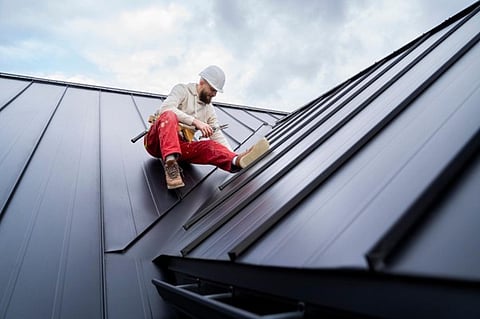
Replacing a roof is one of the biggest projects a homeowner may face. Unlike small home repairs, a roof replacement affects the safety, comfort, and long-term condition of the entire property. Because of this, it is important to understand the process before making any major decisions.
Many homeowners only start thinking seriously about roofing after noticing leaks, damaged shingles, or rising repair costs. Others begin researching roof replacements after years of dealing with heavy rain, moisture buildup, or weather-related roof wear. No matter the reason, preparing properly before replacing a roof can help avoid unnecessary stress and unexpected expenses.
Understanding roofing materials, budgeting, inspections, and maintenance can make the entire process easier and more manageable.
Roofs are constantly exposed to changing weather conditions. Rain, sunlight, wind, and temperature shifts slowly weaken roofing materials over time. Even well-maintained roofs eventually reach a stage where repairs may no longer solve the problem.
Some common reasons homeowners replace their roofs include:
Repeated leaks
Storm damage
Aging materials
Structural concerns
Mold or moisture issues
Poor ventilation
In some homes, roofing problems develop gradually. Small issues may seem harmless at first but can slowly affect the structure underneath the roof surface.
Replacing the roof at the right time can help prevent more serious and costly damage inside the home.
One of the most important decisions before replacing a roof is selecting the right material. Different roofing systems offer different levels of durability, maintenance, and weather protection.
Asphalt shingles are widely used because they are affordable and relatively easy to install. They come in different styles and colors, making them a common option for residential properties.
Metal roofs are known for their durability and long lifespan. They can handle harsh weather conditions well and often require less maintenance compared to some traditional materials.
Tile roofing is popular for its appearance and strength. However, tiles are heavier than many other roofing materials, so the home's structure must be able to support the extra weight.
Slate roofs are extremely durable and can last for decades. While they are more expensive, many homeowners choose slate because of its natural appearance and long-term reliability.
When comparing materials, homeowners should think about:
Local weather conditions
Maintenance needs
Energy efficiency
Lifespan
Budget
Before starting a roof replacement project, a professional inspection is usually recommended. Some roofing damage may not be visible from the ground, especially if moisture has affected areas beneath the shingles.
During an inspection, professionals often check for:
Water damage
Weak decking
Mold growth
Ventilation issues
Damaged flashing
Structural weakness
An inspection helps homeowners understand the true condition of the roof and whether replacement is the best option.
Roof replacement is a major investment, so financial planning is important. Costs can vary depending on the size of the roof, material choice, labor, and repair requirements.
Apart from installation itself, homeowners may also need to consider:
Removal of old roofing materials
Disposal fees
Structural repairs
Permit costs
Ventilation improvements
Some homeowners focus only on the cheapest option, but long-term value matters as well. A lower-cost roof may require more maintenance or earlier replacement in the future.
Planning a realistic budget before the project begins can help reduce financial pressure later.
Weather plays a major role in roofing work. Heavy rain, snow, or strong winds can delay installation and sometimes affect roofing materials during the process.
In places with wet weather conditions, roofing systems often experience more moisture exposure throughout the year. This is why homeowners planning roof replacements in Tacoma often pay close attention to durability, drainage, and moisture resistance when selecting roofing materials.
Planning a roof replacement during stable weather conditions may help the project move more smoothly.
Roof replacement projects can be noisy and temporarily disruptive. Preparing the property ahead of time can help homeowners avoid unnecessary inconvenience.
Before work begins, homeowners may want to:
Move vehicles away from the driveway
Cover valuables stored in the attic
Protect fragile wall decorations
Keep children and pets away from work zones
Inform nearby neighbors about the project
Roofing crews often use heavy equipment and remove old materials throughout the day, so temporary noise and vibration are normal during the installation process.
Ventilation is one of the most overlooked parts of a roofing system. Many homeowners focus only on shingles or roofing materials while ignoring airflow inside the attic.
Poor ventilation can lead to:
Heat buildup
Moisture problems
Mold growth
Higher energy bills
Faster roof deterioration
A roof replacement project is often a good opportunity to improve attic ventilation and insulation at the same time.
Better airflow can help extend roof life and improve indoor comfort throughout the year.
Before replacing a roof, homeowners should understand the warranties included with the project.
This warranty usually comes from the manufacturer and covers defects in roofing materials.
This covers installation-related issues that may happen because of improper labor or roofing mistakes.
Reading warranty details carefully helps homeowners understand what protection they will receive after the project is completed.
Even a brand-new roof needs regular maintenance. Ignoring small problems can shorten the lifespan of roofing materials over time.
Simple maintenance tasks include:
Cleaning gutters
Removing roof debris
Checking for storm damage
Inspecting flashing and vents
Scheduling occasional roof inspections
Regular maintenance helps homeowners identify small issues before they turn into larger repairs.
Replacing a roof is a major home improvement decision that requires careful planning and preparation. Understanding roofing materials, inspections, weather conditions, ventilation, and budgeting can help homeowners make smarter choices before starting the project.
Every home has different roofing needs depending on its age, structure, and local climate. Taking the time to research options and understand the replacement process can help homeowners avoid common problems later.
For many homeowners dealing with long-term weather exposure and aging roofing materials, researching roof replacements in Tacoma becomes part of protecting the overall condition and value of their property for years to come.
Inspired by what you read?
Get more stories like this—plus exclusive guides and resident recommendations—delivered to your inbox. Subscribe to our exclusive newsletter
The products and experiences featured on RESIDENT™ are independently selected by our editorial team. We may receive compensation from retailers and partners when readers engage with or make purchases through certain links.