
- Locations
- Interviews
- Luxury Home
- Luxury Lifestyle
- Luxury Travel
- Luxury News
- Events
- More
- Magazine
- Contact Us

Trees can completely transform a property. They provide shade on scorching summer days, improve curb appeal, and create a calm, welcoming atmosphere around your home. But healthy trees do much more than look good. They also play an important role in protecting your property from environmental damage.
The problem is that many homeowners only notice their trees when something goes wrong. A heavy branch crashes onto the roof during a storm. Roots crack a driveway. Diseased limbs begin falling without warning. Suddenly, the beautiful tree in the yard becomes a serious safety concern.
That’s where expert tree care makes all the difference. Proper maintenance helps prevent costly damage while keeping trees healthy, strong, and safe for years to come.
A healthy tree is like a natural shield around your home. It blocks harsh sunlight, reduces heat around the property, and even helps improve air quality. Large established trees can also increase property value, making your home more attractive to buyers.
Think about a backyard without trees for a moment. It often feels bare, exposed, and much hotter during summer. Trees bring balance to outdoor spaces while creating a sense of privacy and comfort.
Neglected trees can become unpredictable. Dead branches may snap during strong winds, while unstable roots can weaken nearby structures. In some cases, overgrown limbs may interfere with power lines or damage roofs and gutters.
It’s a bit like ignoring a small crack in a wall. At first, it seems harmless. Over time, though, the problem grows into something expensive and dangerous.
Fungal diseases are among the most common threats to trees. Root rot is especially dangerous because it attacks the foundation of the tree underground. By the time visible symptoms appear, the tree may already be unstable.
Leaf spot diseases are another issue. These infections cause discoloured or spotted leaves, reducing the tree’s ability to absorb sunlight effectively.
Trees can also suffer from bacterial and viral infections. Symptoms may include unusual growth patterns, wilting leaves, or dark patches on the bark.
Diseases often spread through contaminated soil, insects, or pruning tools. Once one tree becomes infected, nearby trees can quickly become vulnerable too.
Catching diseases early can save both the tree and your wallet. Small issues are often manageable when treated quickly. Left untreated, however, diseases can weaken the structure of the tree and increase the risk of collapse.
Regular inspections are essential because many tree diseases begin quietly, hidden beneath bark or underground.
Trees attract a wide range of pests. Borers tunnel through wood, weakening branches from the inside. Aphids feed on leaves and sap, slowly draining the tree’s energy. Termites can also target weakened or dying trees, creating additional structural problems.
Some pests are tiny, but the damage they cause can be enormous.
Pests are opportunists. They often target stressed or unhealthy trees first. Once they settle in, they can spread rapidly throughout the garden.
Warm weather and dry conditions can also increase pest activity. Without proper care, what starts as a small infestation can quickly turn into a widespread problem.
Australian weather can be brutal on trees. Strong winds, storms, heatwaves, and prolonged drought all place stress on tree structures.
During severe storms, weakened branches become dangerous projectiles. Heavy rain can also loosen soil, making unstable trees more likely to fall.
Healthy trees depend on healthy soil. Poor drainage can suffocate roots, while compacted soil prevents water and nutrients from reaching them properly.
Too much water can be just as harmful as too little. It’s all about balance. Trees, much like people, struggle when their environment becomes unhealthy.
Trees often show signs of trouble long before they fail completely. Keep an eye out for:
Dead or falling branches
Cracked or peeling bark
Yellowing or thinning leaves
Fungal growth around the trunk
Sudden leaf drop
These warning signs should never be ignored.
A leaning tree can indicate root instability, especially after storms. Weak limbs or split trunks may also signal internal decay.
If a tree suddenly changes shape or begins leaning more than usual, it’s worth having it assessed immediately.
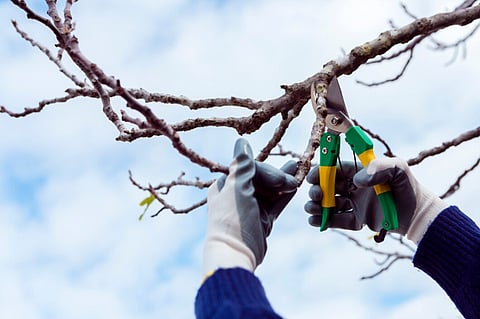
Pruning helps trees grow stronger by removing dead, diseased, or overcrowded branches. It also improves airflow and sunlight penetration throughout the canopy.
However, poor pruning can do more harm than good. Incorrect cuts may expose the tree to disease or weaken its structure.
That’s why many homeowners rely on an experienced arborist Sydney professional to handle trimming safely and correctly.
Routine inspections are one of the best ways to prevent serious problems. Seasonal checks can identify diseases, pest infestations, or structural weaknesses before they become dangerous.
It’s similar to getting your car serviced regularly. Preventive care is usually far cheaper than emergency repairs.
Trees need consistent watering, especially during dry periods. Mulch can help retain moisture, regulate soil temperature, and protect roots from extreme heat.
But don’t pile mulch directly against the trunk. That can trap moisture and encourage decay.
DIY tree trimming might seem simple, but it can quickly become risky. Climbing ladders with cutting equipment near unstable branches is never ideal.
Professional trimming ensures branches are removed safely while maintaining the long-term health of the tree.
A qualified arborist sydney expert can also identify hidden issues that may not be obvious to the average homeowner.
Trees rely on nutrients from the soil to stay healthy. Deficiencies in minerals like nitrogen or potassium can weaken growth and reduce resistance to disease.
Soil testing can help determine whether nutrients are lacking and what treatments may improve tree health.
Healthy soil should allow water, oxygen, and nutrients to move freely. Aeration can reduce compaction and encourage stronger root development.
Adding organic matter such as compost can also improve soil quality over time.
Good soil acts like a strong foundation for a house. Without it, everything above ground becomes vulnerable.
Some tree problems require immediate expert attention. These include:
Storm-damaged trees
Trees leaning toward structures
Large dead branches
Visible root damage
Signs of severe disease or decay
Ignoring these issues can put both people and property at risk.
Professional arborists understand tree biology, safety procedures, and proper maintenance techniques. They can assess risks accurately and recommend practical solutions.
More importantly, they help prevent small problems from becoming major disasters.
Trying to manage dangerous trees without the right knowledge can be risky. Sometimes, expert help is the smartest investment you can make for your home.
Healthy trees can make a property safer, cooler, and more visually appealing. But without proper care, they can also become a hidden source of damage and danger.
By recognising early warning signs, maintaining healthy soil, managing pests, and scheduling regular inspections, homeowners can protect both their trees and their property.
Tree care is not just about appearance. It’s about safety, prevention, and long-term peace of mind. A little attention today can save thousands of dollars in repairs tomorrow while keeping your outdoor space thriving for years to come.
Inspired by what you read?
Get more stories like this—plus exclusive guides and resident recommendations—delivered to your inbox. Subscribe to our exclusive newsletter
The products and experiences featured on RESIDENT™ are independently selected by our editorial team. We may receive compensation from retailers and partners when readers engage with or make purchases through certain links.