
- Locations
- Interviews
- Luxury Home
- Luxury Lifestyle
- Luxury Travel
- Luxury News
- Events
- More
- Magazine
- Contact Us

Creating a more comfortable home during the summer starts with preparing before temperatures peak. Simple upgrades and routine maintenance can improve indoor comfort, reduce energy waste, and help your cooling system perform more efficiently throughout the season.
Hot weather often places extra strain on HVAC equipment and household energy budgets. Taking proactive steps early can minimize unexpected breakdowns and keep living spaces more enjoyable during extended heat waves.
Every home has unique needs, but a few practical improvements offer benefits in almost any climate. The following solutions can help homeowners stay cool while making the most of their investment in home comfort.
Scheduling seasonal maintenance is one of the most effective ways to prepare for summer. Many homeowners turn to trusted Home Comfort Solutions HVAC services to inspect equipment, clean components, and identify small issues before they become expensive repairs.
Professional tune-ups can also improve efficiency and extend the life of heating and cooling systems. Addressing maintenance needs before the hottest months arrive helps reduce the risk of inconvenient breakdowns.
Benefits of routine service include:
Cleaner components
Better airflow
Improved efficiency
Early problem detection
More reliable cooling
Preventive care often pays off over the long term.
Good insulation keeps conditioned air inside while limiting heat transfer from outdoors. Even an efficient air conditioner may struggle if cooled air escapes through poorly insulated walls or attics.
Improving insulation can create a more consistent indoor temperature and reduce overall energy consumption. Small upgrades may produce noticeable improvements during periods of extreme heat.
Areas worth evaluating include:
Attic spaces
Exterior walls
Crawl spaces
Garage ceilings
Basement walls
Better insulation supports year-round comfort as well as summer cooling.
Air circulation plays an important role in maintaining even temperatures. Rooms with stagnant air may feel warmer even when the thermostat indicates a comfortable setting.
Simple adjustments can improve airflow without requiring major renovations. Ceiling fans and unobstructed vents often help distribute cooled air more effectively.
Helpful airflow strategies include:
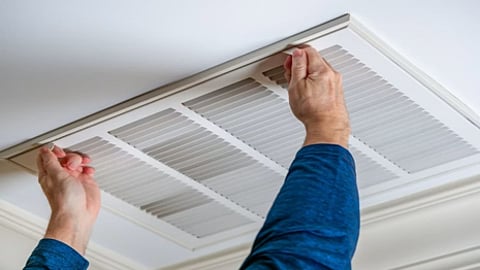
Clean supply vents
Open interior doors
Use ceiling fans
Rearrange furniture
Replace air filters
Small changes can make living spaces feel significantly cooler.
Sunlight streaming through windows contributes to indoor heat gain, especially during the afternoon. Reducing direct solar exposure eases the burden on cooling equipment and creates a more comfortable environment.
Window coverings and exterior shading solutions provide practical ways to manage heat. Strategic landscaping may also reduce sun exposure over time.
Effective heat-blocking options include:
Blackout curtains
Solar shades
Window films
Exterior awnings
Shade trees
A programmable or smart thermostat can make a noticeable difference in both comfort and energy efficiency during the summer. Automated schedules allow the cooling system to adjust throughout the day based on occupancy, helping maintain a pleasant indoor environment without unnecessary energy use.
Modern thermostats also provide usage insights that can help homeowners identify opportunities for savings. Small adjustments to temperature settings may reduce strain on the HVAC system while keeping the home comfortable.
Simple thermostat best practices include:
Update daily schedules
Avoid drastic temperature changes
Use vacation mode
Monitor energy reports
Check battery levels
Pairing smart temperature management with regular maintenance and proper insulation creates a more balanced approach to summer comfort. Consistent settings also reduce frequent cycling, which can contribute to wear on HVAC equipment over time.
Tiny gaps around windows, doors, and utility penetrations can allow conditioned air to escape while letting hot outdoor air enter. Sealing those openings helps maintain stable indoor temperatures.
Weatherstripping and caulking projects are often inexpensive yet highly effective. Reducing drafts may also improve humidity control during the summer months.
Common areas to inspect include:
Window frames
Door edges
Utility openings
Attic access points
Pipe penetrations
Addressing leaks strengthens the overall performance of the home's cooling system.
Summer comfort depends on more than lowering the thermostat. Regular HVAC maintenance, better insulation, improved airflow, heat reduction, and air sealing all contribute to a cooler and more energy-efficient living space.
Preparing early allows homeowners to enjoy the season with fewer disruptions and greater peace of mind.
Inspired by what you read?
Get more stories like this—plus exclusive guides and resident recommendations—delivered to your inbox. Subscribe to our exclusive newsletter
The products and experiences featured on RESIDENT™ are independently selected by our editorial team. We may receive compensation from retailers and partners when readers engage with or make purchases through certain links.