
- Locations
- Interviews
- Luxury Home
- Luxury Lifestyle
- Luxury Travel
- Luxury News
- Events
- More
- Magazine

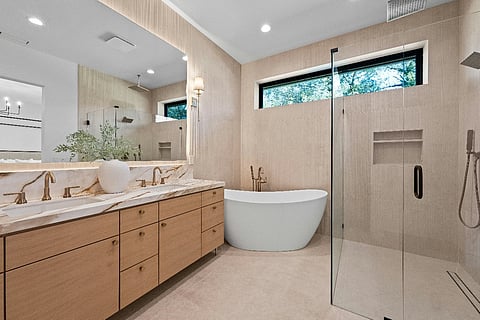
Wellness at home used to have a very specific look. Think deep soaking tubs, pale stone, oversized windows, maybe a eucalyptus branch hanging in the shower if someone had been on Pinterest too long. It was soft, serene, and nice to look at. But honestly, that version of wellness was only part of the story.
A truly healthy home is not just a home that photographs well. It is a home that helps you breathe better, sleep better, think clearer, and feel less worn out by the small stresses of daily life. It pays attention to what you touch, what you inhale, what you hear at night, and how your body feels after a full day indoors.
That shift matters. People are spending more time thinking about the hidden systems behind comfort. Air quality. Humidity. Materials. Acoustics. Pest prevention. Layout. Light timing. The things that rarely get a glossy close-up but quietly shape how you feel.
A beautiful living room does not feel luxurious if the air feels stale. That sounds blunt, but it’s true. Indoor air quality has become one of the biggest parts of wellness-focused design because it affects comfort every single day.
Good ventilation, cleaner filtration, and low-emission materials now matter as much as the sofa or kitchen island. A home can have marble counters and designer lighting, but if dust, mold, chemical odors, or poor airflow linger in the background, the space does not feel healthy.
Many homeowners are paying closer attention to HVAC systems, air purifiers, range hoods, and fresh-air exchange. Even simple choices help. Opening windows at the right time, using a strong kitchen exhaust fan, changing filters, and choosing rugs and furniture that do not release harsh smells all make a difference.
You know what? This is where wellness design becomes less glamorous but more useful. It asks better questions. Does the bedroom feel stuffy in the morning? Does cooking smell hang around for hours? Does one room always feel damp? These details tell you more about daily wellbeing than a scented candle ever will.
For years, home design focused on how surfaces looked. Now, more people ask what those surfaces are made of.
Paints, adhesives, flooring, cabinetry, fabrics, and sealants can affect indoor air. That does not mean every home needs to become a laboratory. But choosing low-VOC paints, natural fibers, solid wood, stone, cork, ceramic tile, or responsibly made furniture helps create a calmer indoor setting.
There is also a sensory side to this. Real materials age differently. Linen wrinkles. Wood gains character. Stone feels cool under your hand. These details make a home feel grounded instead of staged. Wellness design is not about chasing perfection. Sometimes it is about letting the home feel lived in but still cared for.
The same idea applies to cleaning products. Harsh chemical smells can make a freshly cleaned room feel less fresh, not more. Many households now use gentler cleaners, steam cleaning, washable textiles, and better storage for products that should not sit near food, pets, or children.
It is not about fear. It is about awareness.
A wellness-focused home also needs to be protected from the things that disrupt hygiene, safety, and peace of mind. Pest prevention is a good example because it sits at the intersection of cleanliness, structure, climate, and health.
Warm regions face extra pressure from insects and rodents because heat, moisture, and food access create easy entry points. For homeowners in desert climates, working with experienced Phoenix pest control companies can be part of a broader healthy-home plan, along with sealing gaps, storing food properly, keeping landscaping trimmed, and improving ventilation.
This does not have to feel harsh or chemical-heavy. The smarter approach is prevention first. Fix the small cracks. Reduce standing water. Keep storage areas dry. Check door sweeps. Watch the garage, attic, and crawl spaces. A healthy home is not only about what you add. It is also about what you keep out.
And yes, this is less exciting than choosing a freestanding tub. But anyone who has dealt with pests knows that peace at home can disappear fast when the basics are ignored.
Sleep has become one of the clearest links between design and health. A good mattress helps, of course, but the room around it matters too.
A sleep-friendly bedroom controls light, sound, temperature, and visual clutter. That means blackout window treatments, softer lighting at night, breathable bedding, and a layout that does not make the room feel like an office with pillows.
Phones and laptops complicate this. So does the trend of turning bedrooms into multipurpose spaces. It is practical, sure. But when your bed sits beside work papers, laundry piles, and a glowing screen, your brain does not always get the message that the day is over.
Good bedroom design supports a gentle wind-down. Warm lamps instead of bright overhead lights. Storage that hides the mess. A cooler room. Fewer electronics. Maybe a chair in the corner for reading, not scrolling. Small changes, big difference.
Here’s the thing: wellness design works best when it respects human habits. People do not need a perfect bedtime ritual. They need a room that makes the better choice easier.
Humidity rarely gets much attention in design magazines, but it changes how a home feels. Too much moisture can lead to mold, musty odors, warped wood, and dust mite issues. Too little can dry out skin, irritate the throat, and make a room feel brittle.
The ideal home feels balanced. Not damp. Not dry. Just comfortable.
Bathrooms, kitchens, laundry rooms, basements, and poorly ventilated closets need special attention. Exhaust fans should actually move air outside, not just make noise. Dehumidifiers help in damp zones. Humidifiers can be useful in dry climates, but they need cleaning. Otherwise, they create a new problem while trying to solve the old one.
Temperature also shapes mood. A room that overheats every afternoon becomes a place people avoid. A cold hallway changes how the whole home feels in winter. Good insulation, smart thermostats, ceiling fans, layered window treatments, and shaded outdoor areas all support comfort without making the home feel overly controlled.
It is a bit like tailoring a suit. The details are not loud, but they change everything.
Plants help, and they look lovely. But biophilic design goes beyond placing a fiddle-leaf fig beside a sofa.
At its core, biophilic design connects the home to nature through light, texture, color, shape, scent, sound, and movement. It can show up as wood grain, stone, water views, garden paths, courtyards, natural ventilation, or rooms that follow the rhythm of daylight.
Even small choices count. A breakfast nook that catches morning light. A balcony with herbs. A window seat facing trees. Earth-toned textiles. Curved furniture that feels softer than sharp, boxy pieces. These things affect mood because humans are not built to feel good in sealed boxes all day.
Still, balance matters. A home packed with plants but filled with clutter does not feel restful. A wellness-focused space gives the eye somewhere to land. It leaves breathing room. It lets nature participate without turning the living room into a greenhouse unless that is your thing, of course.
Noise is one of the most overlooked stressors at home. You may not notice it right away, but your body does. Traffic, appliances, upstairs footsteps, barking dogs, loud HVAC systems, and echoey rooms all add low-level tension.
Quiet design does not mean total silence. It means a softer sound. Rugs, curtains, upholstered furniture, acoustic panels, cork, bookshelves, and better windows can reduce harsh echoes and outside noise. Even appliance choices matter. A loud dishwasher can change the mood of an open-plan kitchen faster than people think.
This is especially important in luxury homes with large rooms, hard floors, and high ceilings. Those features look impressive, but they can bounce sound around. The fix is not always dramatic. Sometimes it is as simple as adding texture, fabric, and layers.
A quieter home feels more private. More settled. More human.
The same design thinking now shapes the places where people gather. Private dining rooms, boutique hotels, retreat spaces, and wedding venues are paying more attention to comfort, flow, air, light, acoustics, and how guests feel during long events.
For venues that host personal milestones, the experience starts before anyone walks through the door. A peaceful setting, clear layout, good ventilation, and thoughtful interiors matter, but so does being easy to find online. That is why some event spaces also think about digital visibility through services like SEO for wedding venues, especially when couples are searching for places that feel calm, beautiful, and well-run.
It is a quiet connection, but it makes sense. Wellness is not only about private routines. It is also about the environments where people gather, celebrate, eat, talk, and remember important days.
Wellness-focused design is growing up. It is no longer just a spa bathroom, a sunlit kitchen, or a pretty corner with a plant. Those things still matter, and they can bring real joy. But the deeper version of wellness lives in the systems, materials, textures, and habits that support daily life.
A healthy home breathes well. It stays dry where it should. It keeps pests out. It softens noise. It supports sleep. It uses materials that feel good and make sense. It brings nature in without forcing it. Most of all, it reduces friction in small ways that add up.
That is the real luxury now. Not a home that only looks calm, but a home that helps you feel calm.
And once you notice that difference, it is hard to go back.
Inspired by what you read?
Get more stories like this—plus exclusive guides and resident recommendations—delivered to your inbox. Subscribe to our exclusive newsletter
The products and experiences featured on RESIDENT™ are independently selected by our editorial team. We may receive compensation from retailers and partners when readers engage with or make purchases through certain links.