
- Locations
- Interviews
- Luxury Home
- Luxury Lifestyle
- Luxury Travel
- Luxury News
- Events
- More
- Magazine
- Contact Us

Homes don’t usually feel outdated all at once. It happens gradually—through small signs like fading paint, slightly dull lighting, cluttered surfaces, or fixtures that no longer match the rest of the space. Over time, these subtle details change how a home is perceived, even if nothing major has broken or been neglected.
The interesting part is that making a home feel more modern doesn’t require a renovation. In many cases, small, intentional updates can completely shift how a property looks and feels. Cleanliness, lighting, and visual simplicity often have more impact than structural upgrades.
Whether the goal is to prepare a home for sale, attract renters, or simply improve everyday comfort, the same principle applies: small improvements create noticeable change when done consistently.
People don’t evaluate homes slowly—they scan them. Within seconds of entering a space, the brain forms a judgment based on brightness, cleanliness, and visual order. This means even small improvements can strongly influence perception.
A space that feels clean and open is often interpreted as newer and better maintained, even if the actual structure is older. On the other hand, clutter or poor lighting can make a well-kept home feel less appealing than it really is.
In simple terms, modern perception is less about age and more about presentation.
First impressions form within moments
Clean environments feel more valuable and cared for
Visual simplicity increases the sense of space
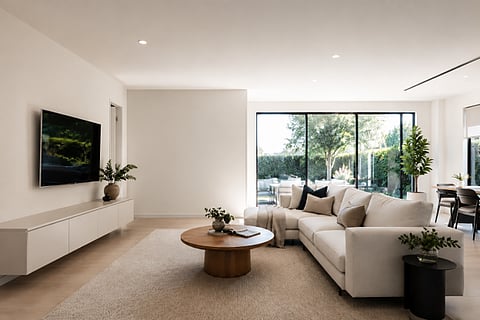
A modern home is not defined by luxury finishes or expensive design. Instead, it is shaped by clarity, consistency, and balance. Spaces feel modern when they are easy to visually understand.
Light colours, natural lighting, and minimal clutter all contribute to this effect. When a room feels open and well-organised, it naturally feels more up to date.
Modern spaces typically share a few simple qualities:
Neutral and consistent colour tones
Good natural and artificial lighting balance
Minimal visual clutter
Intentional and simple styling
When these elements align, even older homes can feel current and well-maintained.
Walls occupy the largest visual surface in any room, making them one of the most influential design elements in a home. When walls are faded, marked, or uneven in tone, the entire space can feel older or less cared for.
A fresh interior repaint can completely reset this impression, making walls look brighter, cleaner, and more modern while improving the home's overall appearance. Light, neutral tones such as soft white, warm beige, or pale grey help reflect light and create a more open feeling.
One of the simplest ways to improve the look of a home is to apply fresh paint before selling, especially in rooms where walls show visible wear or ageing.
Use neutral colours for wider appeal
Focus on high-traffic areas first
Repair surface marks before painting
Walls act as the background of every room, so improving them often improves everything else visually.
Lighting has one of the strongest effects on how modern a home feels. A well-lit space appears cleaner, larger, and more inviting, while dim lighting can make even tidy rooms feel older or less maintained.
Natural light should always be maximised first. After that, artificial lighting can be adjusted to maintain consistency across all areas.
Layered lighting creates depth and improves comfort.
Use daylight LED bulbs for brightness and clarity
Combine ceiling, floor, and table lighting
Keep windows clean and uncovered where possible
When lighting improves, the entire mood of the home shifts noticeably.
Clutter is one of the quickest ways to diminish a home's modern feel. Even if a space is clean, too many visible objects create distraction and make rooms feel smaller.
Decluttering is not about removing personality. It is about improving visual clarity so that space and structure can be appreciated properly.
Clear kitchen and bathroom surfaces
Reduce unnecessary decorative items
Keep storage organised and hidden where possible
A simpler space feels calmer, larger, and more intentional.
The exterior of a home creates the first impression before anyone steps inside. If the exterior feels unkempt, it can negatively influence expectations of the interior—even if the interior is in good condition.
Small improvements can significantly change this perception.
Clean driveways, walkways, and entry areas
Remove dust, dirt, and cobwebs
Maintain visible exterior surfaces regularly
A clean entrance signals care, which sets a positive tone for the entire property.
Small fixtures often go unnoticed individually, but together they strongly influence how modern a home feels. Outdated handles, taps, or switches can subtly age a space.
Updating these details creates a consistent and refreshed appearance.
Door handles and knobs
Cabinet hardware
Bathroom taps and fittings
Light switches and covers
Consistency in finish and style is more important than the cost of the upgrade.
Kitchens and bathrooms are key areas in how people judge a home’s condition. These spaces often influence overall perception more than any other room.
A full renovation is not always required. Cleanliness and small improvements can make a major difference.
Deep clean grout, seals, and corners
Polish all visible surfaces
Replace worn or outdated fittings if needed
When these areas feel clean and maintained, the entire property feels more valuable.
A home is not only visual—it is also sensory. Air quality plays a quiet but important role in how clean a space feels.
Fresh air creates openness, while stale air reduces comfort.
Ventilate rooms regularly
Clean soft furnishings like curtains and cushions
Avoid overpowering artificial scents
A naturally fresh home always feels more inviting.
Styling is the final layer that brings everything together. The goal is not decoration for its own sake, but balance and simplicity.
A minimal approach works best because it supports the space rather than overwhelming it.
Add small indoor plants for freshness
Use neutral cushions and textiles
Keep furniture spacing open and balanced
When styling is controlled, the home feels more cohesive and modern.
Each improvement has its own effect, but the real transformation happens when they work together. Clean surfaces, good lighting, reduced clutter, and consistent styling create a unified sense of order.
This combination is what people interpret as “modern.” It is not about newness—it is about clarity and care.
Simple home updates can significantly improve how a property feels without the need for major renovation work. When applied thoughtfully, small changes in lighting, cleanliness, layout, and styling can create a clear and noticeable shift in a space's overall atmosphere.
A home that feels modern is not defined by how much money is spent, but by how well it is maintained and presented. Clarity, consistency, and care are the key elements that shape this perception. Even older properties can feel refreshed when these basics are addressed properly.
If you’re looking for more practical home improvement ideas and simple lifestyle upgrades, explore additional guides from Call A Painter Melbourne, where everyday spaces are made easier, cleaner, and more comfortable.
The fastest way is to improve lighting and remove visual clutter. Brighter rooms with clear surfaces instantly feel more spacious, organised, and updated, even without any renovation or new furniture.
The most impactful updates are repainting the walls, improving lighting, and decluttering. These three changes affect how space, cleanliness, and brightness are perceived, which directly influences how modern a home feels.
Yes, even small improvements can significantly increase perceived value. Clean surfaces, fresh paint, and updated lighting make a property appear better maintained, which strongly affects buyer or renter confidence.
Lighting is one of the most important factors. Well-lit spaces feel larger, cleaner, and more contemporary, while dim lighting can make even updated rooms feel older and less appealing.
A home can feel outdated due to poor lighting, cluttered surfaces, old fixtures, or mismatched styling. Even when clean, these visual issues reduce the sense of modern design and freshness.
Inspired by what you read?
Get more stories like this—plus exclusive guides and resident recommendations—delivered to your inbox. Subscribe to our exclusive newsletter
The products and experiences featured on RESIDENT™ are independently selected by our editorial team. We may receive compensation from retailers and partners when readers engage with or make purchases through certain links.