
- Locations
- Interviews
- Luxury Home
- Luxury Lifestyle
- Luxury Travel
- Luxury News
- Events
- More
- Magazine
- Contact Us

Walk into a luxury hotel, an upscale retail destination, or a landmark office tower, and one detail quietly shapes your first impression before you've even taken in the architecture: the lighting. What was once viewed as a practical necessity has become one of the defining elements of modern commercial design. As projects place greater emphasis on experience, GCZICO, an engineering-grade outdoor lighting manufacturer, has seen growing demand for lighting solutions that do more than illuminate. Today's architectural lighting helps create memorable spaces that strengthen brand identity, elevate visitor experiences, and add lasting value to commercial properties.
Great architecture captures attention, but lighting gives it character. It highlights textures, creates depth, and guides people naturally through a space, often without them realizing it. Whether it's the inviting glow of a hotel entrance or the dramatic illumination of a commercial façade after sunset, lighting influences how people feel long before they notice individual design details.
In hospitality, carefully layered lighting creates a welcoming atmosphere that encourages guests to relax from the moment they arrive. Retail environments use light to draw attention to featured collections, create visual hierarchy, and encourage shoppers to explore. Office buildings benefit from lighting that balances professionalism with comfort, while mixed-use developments rely on cohesive lighting schemes to connect restaurants, public plazas, offices, and entertainment venues into one unified destination.
This is why architectural lighting has become an integral part of commercial storytelling. By combining ambient, accent, and functional lighting, designers create spaces with personality and purpose. The result isn't simply a brighter building. It's an environment that feels memorable, reinforces a brand's identity, and leaves visitors with a lasting impression.
The value of architectural lighting extends well beyond aesthetics. It quietly shapes how people interact with a property, influencing everything from customer perception to operational performance.
For hotels and restaurants, lighting establishes mood and comfort, encouraging guests to spend more time enjoying the experience. In retail settings, it enhances merchandise displays and helps create an atmosphere that reflects the brand's personality. Corporate offices increasingly use thoughtful lighting design to create workplaces that feel welcoming, productive, and aligned with company culture.
These experiences have measurable business value. Properties that feel inviting often enjoy stronger customer engagement, improved brand recognition, and greater appeal to tenants, visitors, and investors alike.
Modern LED technology has also changed the financial side of commercial lighting. Longer-lasting fixtures, lower energy consumption, and reduced maintenance requirements help property owners manage operating costs without compromising design quality. As a result, many developers and project teams now work with top custom lighting manufacturers that can deliver both tailored solutions and dependable long-term performance. Companies such as GCZICO have seen this shift firsthand as more projects prioritize lighting systems that combine visual impact with lasting reliability.
Sustainability adds another layer of value. As environmental expectations continue to rise, energy-efficient lighting helps businesses reduce their footprint while enhancing the appeal of commercial developments that are built with the future in mind.
Expectations for architectural lighting have changed dramatically over the past decade. Today's projects are designed around experience, flexibility, and seamless integration with the built environment.
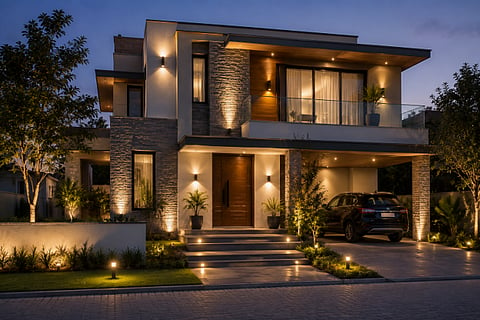
Rather than treating lighting as a separate feature, architects increasingly weave it into façades, walkways, landscapes, and structural elements so that illumination becomes part of the architecture itself. Depending on the design, this may involve linear lights that emphasize clean architectural lines, wall washers that add depth and texture to façades, flood lights that highlight signature features or gathering spaces, and underground lights that create subtle accents along pathways, gardens, and entrances. Rather than drawing attention to the fixtures themselves, these lighting elements work together to create a cohesive visual experience that enhances a property's identity both during the day and after dark.
Technology is also transforming how commercial environments operate. Smart lighting systems allow buildings to adapt automatically throughout the day, adjusting brightness based on occupancy, available daylight, or scheduled activities. The result is a better balance between comfort, efficiency, and visual consistency.
Flexibility has become equally important. Hotels host business conferences one day and social events the next. Mixed-use developments transition from busy office environments during working hours to vibrant dining and entertainment destinations in the evening. Lighting must evolve with these changing demands while maintaining a consistent identity throughout the property.
Human-centric lighting is another growing priority, particularly in workplaces and hospitality settings where comfort and wellbeing have become part of the overall guest and employee experience. Combined with custom architectural lighting solutions and advanced LED technology, these innovations allow commercial properties to create spaces that are visually distinctive, efficient, and designed to remain relevant for years to come. This direction continues to shape the work of experienced manufacturers, including GCZICO, as expectations for commercial lighting continue to evolve.
The most memorable commercial spaces don't treat lighting as the final step in a project. Instead, it becomes part of the creative vision from the very beginning. When architects, designers, engineers, and lighting specialists collaborate early in the planning process, they can create environments where every detail works together to support the overall experience.
Ultimately, people rarely remember a building because it was brighter than the one next door. They remember how it made them feel. Whether it's the welcoming atmosphere of a luxury hotel, the elegance of a premium retail destination, or the confidence inspired by a thoughtfully designed office tower, architectural lighting shapes those moments in subtle yet lasting ways. As commercial design continues to evolve, lighting will remain one of the defining elements that transforms impressive buildings into memorable destinations.
Inspired by what you read?
Get more stories like this—plus exclusive guides and resident recommendations—delivered to your inbox. Subscribe to our exclusive newsletter
The products and experiences featured on RESIDENT™ are independently selected by our editorial team. We may receive compensation from retailers and partners when readers engage with or make purchases through certain links.