
- Locations
- Interviews
- Luxury Home
- Luxury Lifestyle
- Luxury Travel
- Luxury News
- Events
- More
- Magazine

Packing for a move can feel like a lot. You look around and see boxes, tape, and a pile of stuff that needs to get from one place to another. But it does not have to be stressful. With a clear plan, you can pack smart and save yourself a ton of headaches.
This guide breaks it all down. You will learn when to start, what to buy, and how to pack each room the easy way. Let's dig in.
The biggest packing mistake is waiting too long. The earlier you start, the calmer you will feel.
A good rule is to begin about six to eight weeks before your move. That gives you time to work in small steps. You do not have to pack everything at once. A few boxes a day adds up fast.
Pick a move date first. Then work backward and set small goals each week. This keeps the job from piling up at the last minute.
Here is a simple truth. The less you own, the less you have to pack.
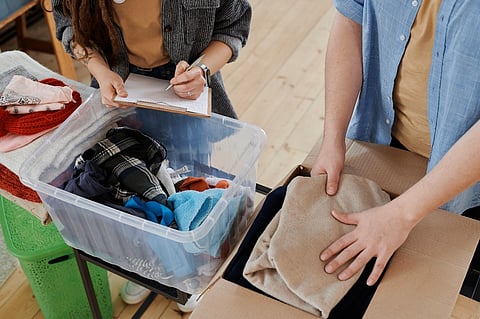
So before you grab a single box, go through your things. Sort each item into four piles:
Keep: stuff you use and love
Donate: things in good shape that you no longer need
Sell: items worth a little cash
Toss: broken or worn-out things
Be honest with yourself. If you have not used it in a year, you probably will not miss it. Decluttering now means fewer boxes, lower moving costs, and less to unpack later.
The right supplies protect your stuff and save you time. Cheap or worn boxes can fall apart, so it pays to use good ones.
Here is what you will want to have on hand:
Sturdy moving boxes in small, medium, and large sizes
Strong packing tape and a tape gun
Bubble wrap for fragile items
Packing paper or clean newsprint
A few permanent markers
Colored tape or labels for each room
Furniture sliders for heavy pieces
How many boxes do you need? A studio or one-bedroom usually takes 15 to 30 boxes. A two-bedroom home often needs 40 to 60. A larger house can need 80 or more. It is smart to grab a few extra. Running out mid-pack is no fun.
The easiest way to pack is room by room. Finish one room before you move to the next. This keeps you organized and helps you track everything.
Start with the rooms you use the least. Think garages, basements, storage closets, and guest rooms. Save your kitchen and bedroom for last, since you use those every day.
Never mix items from different rooms in one box. It makes unpacking a mess. Keep each box tied to a single room.
Different rooms need a different touch. Here is how to handle the tricky ones.
Kitchen. Wrap plates in packing paper and stack them on their edge, not flat. This helps them survive the trip. Wrap glasses one by one. Pack heavy pots in small boxes so they do not get too heavy to lift.
Bedroom. Leave hanging clothes on their hangers and slide them into wardrobe boxes. Fold the rest into suitcases or medium boxes. Keep jewelry and small valuables with you, not in the truck.
Living room. Use blankets or towels to wrap mirrors, art, and the TV. If you kept the original TV box, use it. Remove lamp shades and bulbs and wrap them on their own.
Bathroom. Toss old or nearly empty bottles. Seal liquids in plastic bags so they do not leak. Pack medicine and daily items in your essentials box.
Fragile things need extra care. A little time here saves you from broken plates and cracked frames.
Line the bottom of the box with crumpled paper first. This gives a soft base. Wrap each fragile item on its own in bubble wrap or paper. Fill every empty gap so nothing shifts around. A packed box should feel snug, not loose.
For mirrors and large frames, place a strip of tape in an X across the glass. If it breaks, the tape helps hold the pieces together. Mark these boxes "Fragile" on every side so handlers know to be gentle.
It is tempting to stuff a box full. Don't.
Keep each box under about 50 pounds. Put heavy things in small boxes and light things in big ones. A small box of books is easy to carry. A huge box of books is not.
Test the weight before you seal it. If you cannot lift it with ease, take some out. Your back and your movers will thank you.
Good labels make unpacking simple. Write the room name and a few key contents on each box. For example: "Kitchen, plates and mugs."
A handy trick is to use a color for each room. Blue tape for the bedroom, green for the kitchen, and so on. Then everyone can drop boxes in the right spot on moving day with no guessing.
Mark fragile boxes and "open first" boxes too. It saves a lot of digging later.
This is the one box you will be glad you made. Pack a box or bag with the things you need for the first day and night in your new place.
Include items like:
A change of clothes and basic toiletries
Phone chargers
Medicine you take daily
Snacks and a few bottles of water
Toilet paper and paper towels
Basic tools and a flashlight
Important papers and keys
Keep this box with you, not on the truck. When you arrive tired, you will not have to hunt through a dozen boxes just to brush your teeth.
Packing takes time, and not everyone has it. If your schedule is tight or your move is large, hiring help can be worth every penny.
Professional movers can pack for you, bring the right supplies, and handle heavy or fragile items with care. This is a big help for long-distance moves or busy families. A trusted team like Mic's Moving can take the packing off your plate so you can focus on the rest of your move. Get a quote, read reviews, and ask what their packing service covers before you book.
Here is a clear timeline to keep you on track.
Six to eight weeks out
Declutter room by room
Buy your packing supplies
Pack things you rarely use
Three to four weeks out
Pack storage rooms and spare rooms
Label boxes as you go
Book movers if you need them
One to two weeks out
Pack most of the house
Leave out only daily items
Confirm your moving day details
Moving week
Pack the kitchen and bedroom last
Prepare your essentials box
Do a final check of every room
When should I start packing for a move? Start about six to eight weeks ahead. Begin with items you rarely use and save daily items for last.
What should I pack first? Start with storage areas, garages, and rooms you barely use. Pack your kitchen and bedroom near the end.
How many boxes will I need? A one-bedroom usually needs 15 to 30 boxes. A two-bedroom needs 40 to 60. Larger homes need 80 or more.
How do I keep fragile items safe? Wrap each piece on its own, cushion the box with paper, and fill all the gaps. Mark the box "Fragile" on every side.
Is it worth hiring packers? For big or long-distance moves, yes. Pros save you time and protect your things, which is well worth it when life is busy.
Packing for a move is just a series of small steps. Start early, clear out what you do not need, and tackle one room at a time. Use good supplies, label clearly, and keep your essentials close.
Do that, and moving day will feel a whole lot smoother. You have got this. Happy packing.
Inspired by what you read?
Get more stories like this—plus exclusive guides and resident recommendations—delivered to your inbox. Subscribe to our exclusive newsletter
The products and experiences featured on RESIDENT™ are independently selected by our editorial team. We may receive compensation from retailers and partners when readers engage with or make purchases through certain links.