
- Locations
- Interviews
- Luxury Home
- Luxury Lifestyle
- Luxury Travel
- Luxury News
- Events
- More
- Magazine

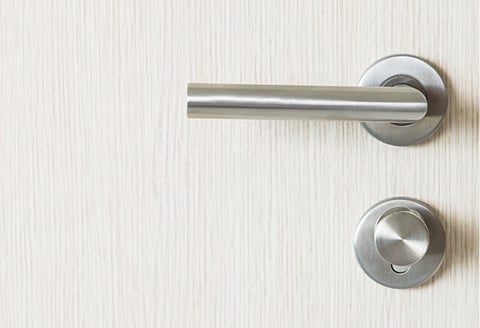
Updating interior doors involves more than picking hardware that looks good. A door knob or handle also needs to suit the room, fit your door, and provide the right level of privacy or access. With many styles and finishes available, finding a suitable option can take some thought.
Your needs can change from one room to another. A bedroom or bathroom may need privacy hardware, while a hallway or closet may only need passage hardware. You may also want several doors to share a similar look without going beyond your project budget.
For this reason, interior door hardware deserves attention beyond its appearance. Fit, finish, construction, comfort, and installation all affect your final choice.
Here are five key factors to consider when selecting door knobs and handles for your interior doors.
Your hardware should be based on the purpose of the room. A door knob or lever with a privacy function can suit bedrooms and bathrooms where you want added privacy. Passage hardware fits well in halls, closets, and other doors that do not require a lock.
Dummy hardware is used with doors that require a fixed pull rather than a latch. It offers a decorative and practical pull, with no locking or latching device. Knowing these functions can assist you in choosing hardware to fit every door.
With these functions in mind, consider what each door needs before making your choice. The choice of the appropriate functionality can make every door less complicated to use and can assist you in avoiding the characteristics that you do not require.
Good-looking hardware will not help if it does not fit your door. Check your door's thickness, bore hole, backset, and handing before ordering, then compare those measurements with the product specifications.
Door thickness helps confirm whether the hardware is suitable. The bore is the main hole through the door for the lock or latch, while backset measures the distance from the door edge to the center of the bore. Handing shows whether you need a left-hand, right-hand, or reversible option.
If you are replacing old hardware, compare the existing holes and latch position with the new set. Also make sure the new hardware can cover marks left by the old one. Reversible options can work with either left- or right-hand doors, which may simplify replacement projects.
Nearby fixtures can guide your finish choice. Decide whether you want your door hardware to match existing items or create contrast.
Common options include matte black, brushed nickel, chrome, and brushed champagne gold. Matte black can give a room a bold, modern feel, while brushed nickel can create a softer look. Chrome offers a bright, polished appearance, while brushed champagne gold can add warmth.
Cabinet pulls, faucets, lighting, and hinges can all influence your decision. Matching these details can create a more connected look. You do not need every metal finish in your home to match perfectly, but the finishes should work well together.
Contrast can also add interest. Dark hardware can stand out against a light door, while a bright finish can add detail to a darker interior. Choose the approach that suits your room and overall home style.
Once you have settled on function, fit, and finish, focus on how the hardware feels and is built. Because you interact with door hardware often, comfort and construction deserve as much attention as appearance.
Consider the handle shape first. A simple profile may suit a clean, modern room, while a more distinctive design can add character to a plain door. Choose a shape that feels comfortable in your hand and works with your interior style.
Build quality matters too. Heavy-duty construction can give hardware a more substantial feel and may suit doors that receive frequent traffic. Features such as concealed screws can create a cleaner appearance by keeping mounting hardware out of sight.
Comfort also plays a role. For doors you open often, choose hardware that feels easy to grip and operate. If accessibility is a concern, look for a design that does not require a tight grip or difficult twisting motion. Consider any building or project requirements that may apply to your space.
Installation can affect which hardware works best for your project. Check what comes with each set, whether it matches your existing door setup, and whether you have the basic tools needed for installation.
For multi-door projects, count your doors before ordering. Single, 2-pack, and 6-pack options can suit projects of different sizes, so confirm the quantity you need before placing your order.
Consider the time and effort involved as well. Hardware that fits your existing setup can make replacement easier, while checking the instructions and required tools in advance can help you avoid delays or extra trips to the hardware store.
Price still matters, but it should not be your only consideration. A suitable option should balance fit, function, construction, design, quantity, and cost rather than simply offering the lowest price.
Choose interior door hardware in a clear order: start with each room's function, confirm your door measurements, then select a finish and handle shape that suit your interior. After that, consider construction, comfort, installation needs, and pack size.
Do not buy based on looks alone. Hardware that fits your door, supports regular use, and complements your design can provide better value than an option selected only for its price. By considering these details, you can make your door update easier and more successful.
Inspired by what you read?
Get more stories like this—plus exclusive guides and resident recommendations—delivered to your inbox. Subscribe to our exclusive newsletter
The products and experiences featured on RESIDENT™ are independently selected by our editorial team. We may receive compensation from retailers and partners when readers engage with or make purchases through certain links.