
- Locations
- Interviews
- Luxury Home
- Luxury Lifestyle
- Luxury Travel
- Luxury News
- Events
- More
- Magazine

Discover the versatility of asphalt in various construction projects.
Learn about the environmental benefits of using asphalt in modern infrastructure.
Explore the latest advancements and how they enhance the durability and efficiency of construction projects.
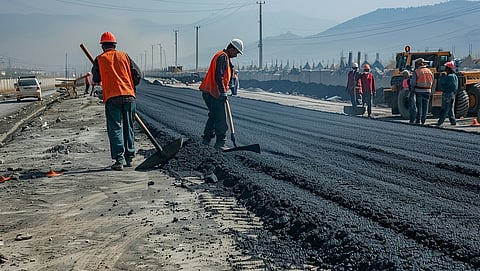
Asphalt, often regarded as the backbone of modern construction, has seen widespread use for paving roads and in many infrastructure projects beyond traditional expectations. With rapid urbanization, the role of asphalt is expanding as it consistently meets the demand for materials that offer both durability and efficiency in construction undertakings across the globe.
What sets asphalt apart is its intrinsic flexibility and unmatched weather resistance. These properties make it a preferred choice for projects requiring long-lasting solutions capable of withstanding diverse environmental conditions. As technology progresses, asphalt's potential applications are becoming even more varied, highlighting its indispensable nature in modern infrastructure.
The adaptability of asphalt underlines its widespread use in various types of construction. This versatile material is foundational in creating durable surfaces for asphalt supplies such as airport runways, bridge decks, and various industrial flooring solutions. Whether it's the smooth, enduring surfaces of major highways or the targeted applications in community roads and sports arenas, asphalt's versatility makes it indispensable. It is widely used in tennis courts, running tracks, and bicycle pathways, providing seamless, reliable surfaces that maximize users' safety and comfort.
Beyond its traditional paving roles, asphalt's characteristics also make it ideal for roofing applications and industrial flooring, where robust, durable surfaces are necessary. As builders look to meet diverse project needs, asphalt continues to prove itself a reliable, multifaceted material capable of optimizing functionality in different scenarios.
Sustainability in construction is coming to the forefront, and asphalt stands out for its significant environmental benefits. One of its most notable features is its high recyclability, which aligns its use with broader ecological conservation goals. According to The Asphalt Institute, asphalt ranks among the most recycled materials globally, which is a testament to its environmental efficiency and minimal ecological footprint.
Recycling asphalt helps mitigate landfill waste, conserves natural resources, and substantially reduces energy consumption in new material production. This duality of function and sustainability makes asphalt an attractive option for environmentally-conscious construction projects. The industry continues to innovate in this area, offering products that balance performance with environmental responsibility.
Technological advancements drastically transform asphalt production and application, enhancing asphalt surfaces' structural longevity and performance. Today, innovative machinery and sophisticated application techniques are setting new standards in construction efficiency, resulting in reduced project timelines and costs. This progress is aligned with the industry's push towards adopting practices that enhance safety while maintaining quality and performance.
Beyond just installation, modern innovations focus on asphalt's impact during its lifecycle, such as reflective coatings designed to mitigate the heat island effect in urban environments. As cities strive to combat climate change, these products offer practical solutions that contribute positively to urban planning efforts.
Cities worldwide are integrating eco-friendly practices into their infrastructure projects, with recycled asphalt emerging as a feasible alternative to traditional materials. Numerous innovations documented by Sustainable Build demonstrate how recycled asphalt can deliver superior roads while drastically reducing environmental impact. Such projects showcase the technical capabilities of recycled asphalt and highlight substantial reductions in energy consumption and greenhouse gas emissions.
Applying recycled asphalt in road construction allows cities to grow sustainably without compromising quality, ensuring that economic progress and environmental stewardship can go hand in hand. As these practices gain popularity, they set a sustainable benchmark for future projects globally.
Safety remains a priority in construction, leading to pioneering advancements in asphalt application enhancing road user safety. Modern techniques improve road surface skid resistance, thereby reducing accident risks. In contrast, permeable asphalt allows efficient water drainage, minimizing hydroplaning risks during inclement weather.
These innovations are crucial in highly trafficked areas where safety is paramount. They ensure the infrastructure meets modern needs and adapts to future demands, supporting safe travel and transportation in diverse environments.
Boosts local economies through increased project efficiency.
Creates jobs within the construction and asphalt-related sectors.
Reduces long-term maintenance costs thanks to enhanced material durability.
Advancing asphalt technologies provide significant economic rewards because they are cost-effective building materials. These innovations reduce repair frequencies and associated costs, positively influencing municipal budgets and offering a predictable financial model for infrastructure maintenance.
Asphalt's reliability translates into immediate job creation and sustained economic growth within communities as infrastructure projects drive construction and auxiliary industries forward.
Asphalt's potential in future infrastructures is bright. The development of smart cities offers opportunities for integrating cutting-edge technologies, such as roads featuring self-healing properties and avenues embedded with solar panels to harness renewable energy.
The evolving urban landscape requires flexible and sustainable solutions, and asphalt adapts to meet these complex needs. Its role is fundamental in developing resilient, efficient infrastructure that caters to current demands and anticipates future urban planning and construction advancements.
As creative uses of materials like asphalt continue to evolve, they offer exciting possibilities for infrastructure development, promising sustainability, efficiency, and technological synergy in creating the cities of tomorrow.
Inspired by what you read?
Get more stories like this—plus exclusive guides and resident recommendations—delivered to your inbox. Subscribe to our exclusive newsletter
The products and experiences featured on RESIDENT™ are independently selected by our editorial team. We may receive compensation from retailers and partners when readers engage with or make purchases through certain links.