
- Locations
- Interviews
- Luxury Home
- Luxury Lifestyle
- Luxury Travel
- Luxury News
- Events
- More
- Magazine
- Contact Us

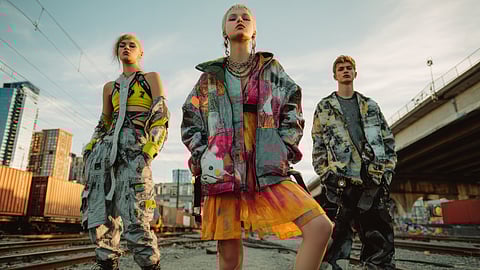
The return of the Y2K aesthetic has completely reshaped the fashion landscape. What started as a nostalgic revival quickly turned into a cultural movement, blending irony, futurism, and a very specific vision of early-millennium optimism. Today, Y2K clothing isn't just a trend, it's a mood - a way to channel the chaos and excitement of the digital age's beginning. But what exactly defines Y2K clothing, and why does it resonate so strongly with a new generation?
To understand Y2K clothing, you need to go back to the late 1990s and early 2000s, a time when society was both fascinated and terrified by rapid technological change. Computers were becoming mainstream, the first mobile phones were everywhere, and digital culture was emerging at full speed. This obsession with the future blended with pop culture icons, giving birth to a style that felt both playful and experimental.
The fashion of that era didn't try to be timeless - it wanted to be cutting-edge. Designers experimented with materials that felt innovative, from glossy vinyl to metallic fabrics. Colors were bold, silhouettes were exaggerated, and accessories were unapologetically maximalist.
Even though the Y2K trend is constantly evolving, certain pieces and characteristics define the aesthetic and make it instantly recognizable.
Low-rise silhouettes are the backbone of Y2K silhouettes. Jeans, mini skirts, cargo pants - all were designed to sit on the hips, revealing the stomach and giving the entire outfit a more relaxed, confident attitude. Paired with crop tops or baby tees, low-rise bottoms created a look that was both bold and iconic.
Fitted tops became essential during the early 2000s. Baby tees with printed graphics, rhinestones, or playful slogans symbolized a youthful, carefree approach to dressing. Crop tops followed the same logic, often in pastel tones or sparkly materials that highlighted the era's mix of innocence and rebellion.
What truly sets Y2K clothing apart is its love for shine - metallic textiles, holographic finishes, and glossy PVC. These materials mirrored the futuristic optimism of the time, as if fashion was preparing for a space-age era that never fully arrived. Jackets, skirts, and bags often embraced these textures, transforming basic silhouettes into statement pieces.
Popularized by celebrities and reality TV stars, velour tracksuits symbolized a relaxed yet glamorous lifestyle. Their soft texture, bright colors, and coordinated sets became staples of the Y2K wardrobe. This was casualwear with attitude - comfortable, but always styled to be noticed.
Denim was everywhere during the early 2000s. Low-rise bootcut jeans, mini skirts, micro shorts, distressed denim jackets - the fabric defined the decade. Embroidery, rhinestone logos, and patchwork were also common details that added personality to these pieces.
Brand visibility was a core part of Y2K fashion. From oversized monograms to sparkly graphics, logos weren't subtle at all. This wasn't about quiet luxury; it was about owning the spotlight. Statement belts, branded bags, and logo-heavy tops dominated the streets and red carpets.
The Y2K aesthetic loved unexpected pairings - lace with denim, glitter with cargo pants, tight tops with oversized jackets. Layering was used to experiment rather than to stay warm, creating silhouettes that felt alive and expressive.
Accessories are what bring a Y2K look to life. Chunky jewelry, butterfly clips, tiny shoulder bags, tinted sunglasses, platform shoes, and futuristic belts all play a major role in defining the aesthetic. The look was always intentionally bold - nothing minimal, nothing too understated.
Even winterwear followed the same logic: shiny puffer jackets, faux-fur trims, and statement beanies added personality to every outfit. Whether you were going for pop-star glam or cyber-tech energy, accessories helped push the aesthetic into unmistakable Y2K territory.
The resurgence of Y2K clothing is more than just a fashion cycle - it reflects how Gen Z interacts with nostalgia, creativity, and digital identity. Social platforms like TikTok made it easy to remix styles and reinterpret iconic trends. What used to be tied to celebrities in magazines is now reinvented daily by creators, stylists, and vintage lovers.
There's also a cultural dimension. The Y2K era represents a moment of playful optimism before the rise of smartphones and hyperconnectivity. Its aesthetic feels lighthearted, expressive, and free from rules - a contrast to today's structured and polished trends. Wearing Y2K clothing becomes a way to escape minimalism and reclaim individuality.
Modern Y2K fashion isn't a carbon copy of the early 2000s. It's a reinterpretation that blends past and present. Fits are adapted, materials are improved, and styling is more intentional. A low-rise silhouette might come with a contemporary twist, metallic tops are mixed with modern streetwear, and accessories are curated rather than chaotic.
The essence remains the same: daring shapes, playful textures, vibrant colors, and a fearless approach to self-expression. But today's version is more wearable, more polished, and more adaptable to individual style.
Y2K clothing is defined by more than a set of garments - it's an entire visual language built around nostalgia, experimentation, and futuristic dreams. Its revival proves that fashion isn't just about trends; it's about emotion, memory, and attitude. Whether through low-rise denim, metallic fabrics, baby tees, or statement accessories, Y2K style continues to inspire a new generation eager to reinterpret the spirit of the early 2000s.
Inspired by what you read?
Get more stories like this—plus exclusive guides and resident recommendations—delivered to your inbox. Subscribe to our exclusive newsletter
The products and experiences featured on RESIDENT™ are independently selected by our editorial team. We may receive compensation from retailers and partners when readers engage with or make purchases through certain links.