
- Locations
- Interviews
- Luxury Home
- Luxury Lifestyle
- Luxury Travel
- Luxury News
- Events
- More
- Magazine
- Contact Us

Electricity costs in Columbus have surged following the 2025 rate changes, leaving homeowners wondering whether switching to solar still makes financial sense. The short answer? Yes, but the timing has never mattered more.
Columbus has become a hotbed for residential solar adoption thanks to consistent sunshine, favorable utility policies, and strong consumer interest in energy independence. However, with the federal solar tax credit (FTC) scheduled to begin phasing down after 2025, many Ohio homeowners are now deliberating whether this is the best moment to invest in solar panels columbus. To find the right answer, it’s crucial to look at how the city’s new energy rates, incentives, and long-term returns align with your goals energy savings.
Ohio’s major utility provider, AEP, implemented rate adjustments in mid-2025 that pushed the generation price from about 7.3¢ to 9.9¢ per kWh - roughly a 36% increase. Distribution charges also rose, driving monthly bills for many Columbus residents above $200.
These changes stem from increased transmission costs, energy demand, and infrastructure upgrades. While minor at first glance, compounded annual increases like these can add thousands to long-term household expenses. That’s why homeowners are reevaluating the economics of solar - not as a luxury, but as a long-term safeguard against escalating energy costs.
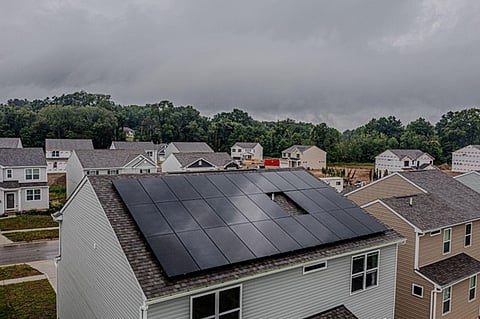
Despite the recent rate hikes, installing solar panels Columbus homeowners trust remains a strong financial decision. By producing electricity directly on your property, you can offset high utility costs and lock in stable rates for decades.
Stable Long-Term Savings: Solar systems effectively “prepay” your future power needs at today’s lower cost.
Attractive Payback Timeline: Average systems in Columbus cost between $12,000–$14,000 before incentives, with typical payback periods between 7–10 years.
Higher Home Value: Studies show solar-equipped homes sell faster and at higher prices.
Sustainable Living: Reducing reliance on fossil fuels contributes to a greener, cleaner Ohio.
Simply put, as traditional electricity becomes more expensive, solar’s long-term value only grows stronger.
While solar continues to provide measurable benefits, its success depends on specific factors unique to your home and energy habits.
Roof Orientation and Shade: South-facing roofs with minimal obstruction yield the best performance.
Energy Usage Patterns: The more energy you use, the faster your return on investment.
Utility Rate Trends: Continued rate hikes will make your solar savings even more significant.
Equipment Quality: High-efficiency panels and inverters extend your system’s output and lifespan.
The right solar installer Columbus professionals can assess these details and design a system that maximizes savings while fitting your lifestyle and energy goals.
Selecting a trustworthy installer is key to ensuring your solar investment performs as expected. The best companies not only provide transparent quotes but also handle design, permitting, installation, and maintenance in-house.
When looking for a solar installer Columbus, prioritize local expertise. Local firms understand city permitting processes, roof structures typical to Columbus neighborhoods, and the nuances of Ohio’s net metering system. Experienced providers, such as YellowLite, stand out for their technical knowledge, clear communication, and data-driven system optimization, helping homeowners make confident, long-term energy decisions.
The next 12 months could be decisive for Ohio homeowners considering solar. The federal solar tax credit (FTC) -which currently covers 30% of total system cost - is set to start phasing down after 2025 unless extended by new legislation. Once that happens, upfront costs will rise, directly impacting payback timeframes.
Additionally, while Ohio continues to offer net metering, future regulatory changes could reduce export credit rates. Installing your solar panels Columbus home before these adjustments ensures you benefit from current programs while maximizing long-term returns.
Even after the federal credit begins to phase down, several state- and utility-level programs will continue supporting solar adoption across Ohio. These include:
Net Metering (Statewide): Ohio’s net-metering law allows homeowners to receive credits for excess solar energy fed back into the grid, effectively reducing monthly bills.
Solar Renewable Energy Credits (SRECs): For every megawatt-hour (MWh) your system generates, you earn SRECs that can be sold to utilities needing to meet renewable energy standards.
Property Tax Exemption: Ohio exempts the added value of solar panels from property tax assessments, protecting you from higher annual taxes.
Sales Tax Exemption: Solar energy systems in Ohio are exempt from state sales tax, reducing upfront costs at purchase.
Local Utility Rebates: Certain Columbus-area utilities and co-ops occasionally offer performance-based rebates or equipment credits. (These vary yearly and are worth checking before installation.)
Low-Interest Green Loans: Ohio homeowners can access renewable-energy financing through credit unions and clean-energy programs, offering affordable repayment plans even without the FTC.
Together, these programs ensure solar power remains financially attractive in Columbus — even after the federal tax credit starts winding down.
The 2025 rate hikes have created a clear financial tipping point for Columbus residents. Electricity costs are rising faster than inflation, while solar technology continues to drop in price. When combined with current tax incentives and high local energy rates, the math leans heavily in favor of going solar - particularly for homeowners planning to stay put for at least a decade.
Whether driven by financial savings, sustainability goals, or energy independence, now remains one of the best windows to invest in solar panels in Columbus before incentives decline and rates climb further.
Q1: How long does it take for solar panels Columbus homeowners install to pay for themselves?
Most systems installed by a professional solar installer Columbus team reach payback in 7–10 years, depending on usage and sunlight availability.
Q2: Do cloudy days affect the efficiency of solar panels Columbus?
Slightly, but modern photovoltaic technology allows solar panels Columbus systems to generate electricity even under overcast skies, maintaining roughly 80–90% of normal output.
Q3: Can installing solar panels Columbus homes eliminate my electric bill?
Yes, in many cases. With an optimized setup from a solar installer Columbus, you can offset 80–100% of your annual power use, paying only minimal connection fees.
Q4: Is net metering still available for new solar customers in Columbus?
Yes. Net metering continues under Ohio law. Your solar installer Columbus will help handle the application process so you can earn full credit for surplus power sent back to the grid.
Q5: What happens to solar savings when the federal tax credit decreases?
Even after the FTC begins to phase out, solar panels Columbus homeowners invest in remain profitable thanks to Ohio’s SRECs, property-tax exemptions, and low-interest financing options.
Q6: How do I choose the right solar installer Columbus homeowners can trust?
Look for certified professionals with proven local projects, clear pricing, and robust warranties. Reputable companies understand Columbus weather, utility rules, and optimal panel placement.
Q7: Will solar panels Columbus properties increase home value?
Yes. Multiple studies show homes with solar panels Columbus buyers prefer sell faster and at a higher price due to lower long-term utility costs.
For Columbus homeowners facing higher electricity rates in 2025, solar energy remains a reliable and future-proof investment. While initial costs and incentive changes can seem daunting, the long-term economics remain firmly in solar’s favor. Early adoption not only locks in today’s best rates and credits but also secures lasting protection against future energy volatility.
As the energy landscape evolves, one thing is clear: those who take advantage of the current solar environment - before incentives decline - will reap the greatest rewards over time.
Inspired by what you read?
Get more stories like this—plus exclusive guides and resident recommendations—delivered to your inbox. Subscribe to our exclusive newsletter
The products and experiences featured on RESIDENT™ are independently selected by our editorial team. We may receive compensation from retailers and partners when readers engage with or make purchases through certain links.