
- Locations
- Interviews
- Luxury Home
- Luxury Lifestyle
- Luxury Travel
- Luxury News
- Events
- More
- Magazine

In a world flooded with artificial lighting and digital screens, our eyes are constantly exposed to various wavelengths of light. Among them, red light often garners mixed reactions; some embrace it as a healing remedy, while others caution against potential harm. So, what’s the truth behind this vibrant hue? Is red light a friend or foe to our precious eyesight?
In this complete guide, we’ll unravel the science behind red light therapy, explore its effects on eye health, and help you navigate through the myths and facts surrounding this intriguing topic. Whether you're seeking relief from eye strain or simply curious about how different colors of light impact your vision, read on to discover everything you need to know about red light's role in your ocular wellness!
Red light is a type of visible light with a wavelength of approximately 620 to 750 nanometers. It falls on the longer end of the light spectrum and is perceived by the human eye as the color red. This type of light is often associated with warmth, energy, and stimulation, and is commonly used in various applications such as traffic signals, emergency lights, and theatrical lighting. Is red light bad for your eyes? The answer is not as straightforward as you might think.
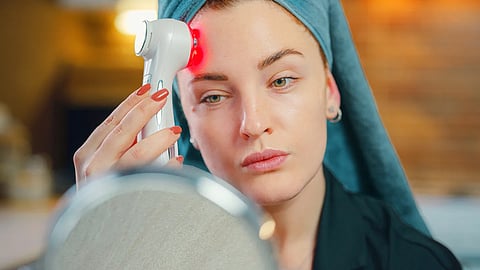
Red light therapy, also known as photobiomodulation or low-level light therapy, is a form of treatment that utilizes red light to stimulate cellular activity and promote healing. It works by exposing the body to specific wavelengths of red light, which are thought to penetrate the skin and reach deeper layers of tissue. This light is absorbed by the mitochondria, the powerhouse of the cell, and triggers a series of biochemical reactions that may lead to various therapeutic effects. Many studies have shown that red light therapy can improve the production of ATP (adenosine triphosphate), a molecule that provides energy to cells. This increase in energy production may help enhance cellular function and promote healing.
Additionally, red light therapy is believed to stimulate the production of collagen, a protein that supports skin and tissue health. This can lead to improved skin elasticity, reduced inflammation, and accelerated wound healing. Red light therapy is commonly used to treat various conditions, including chronic pain and inflammation, skin disorders, and even hair loss. Its potential benefits have also been investigated in the field of eye health. But is red light bad for your eyes? Let’s find out!
Red light therapy has gained popularity as a potential treatment for various eye conditions, including dry eyes, age-related macular degeneration (AMD), and retinal disorders. It is believed that the use of red light can stimulate cellular activity in the eye and promote healing in damaged tissues. Some studies have shown promising results in using red light therapy to improve symptoms of dry eyes, such as eye discomfort and blurred vision.
In a small study involving 30 patients with dry eyes, a combination of red and near-infrared light therapy was found to significantly reduce symptoms and improve tear production. Another study found that red light therapy may help improve visual acuity and contrast sensitivity in people with AMD. However, more research is needed to validate these findings and determine the optimal treatment parameters for red light therapy in eye health.
There is a common misconception that red light can damage the eyes and cause harm to vision. However, this is not entirely accurate. While excessive exposure to any type of light, including red light, can cause eye strain and discomfort, it does not pose a significant risk to eye health. In fact, red light may have some protective effects on the eyes. Some studies have shown that red light can protect retinal cells from damage caused by blue light, which is known to be harmful to the eyes.
Additionally, red light therapy has been used as a treatment for retinal conditions such as age-related macular degeneration, suggesting that it may have beneficial effects on eye health. However, it is important to note that the use of red light therapy for eye conditions should always be conducted under the guidance of a healthcare professional. It is also crucial to use FDA-approved devices and follow the recommended treatment protocols to avoid any potential risks.
Red light therapy has shown promising results in improving various eye conditions and promoting overall eye health. While it is generally safe, it is important to use red light therapy under the guidance of a healthcare professional and follow recommended treatment protocols. As with any medical treatment, it is also important to discuss any potential risks and benefits with your doctor before starting red light therapy.
Inspired by what you read?
Get more stories like this—plus exclusive guides and resident recommendations—delivered to your inbox. Subscribe to our exclusive newsletter
The products and experiences featured on RESIDENT™ are independently selected by our editorial team. We may receive compensation from retailers and partners when readers engage with or make purchases through certain links.