
- Locations
- Interviews
- Luxury Home
- Luxury Lifestyle
- Luxury Travel
- Luxury News
- Events
- More
- Magazine

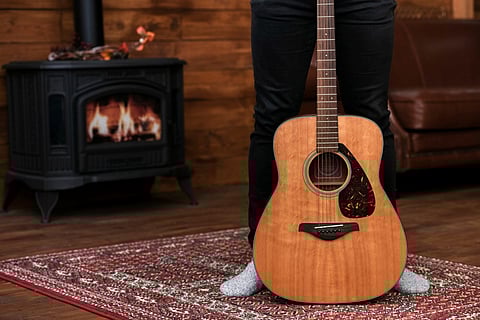
The wood used to construct an acoustic guitar influences its voice, sustain, and resonance. Each type of wood has a distinct tonal quality and character, so wood selection is one of the most critical decisions in the process of constructing a guitar. In this article, we will explore how these decisions influence the sound and appeal of acoustic guitars.
Tonewood refers to the specific type of wood used to create the body, top, back, and sides of a guitar. Different woods vibrate and reflect sound waves in different ways. The grain, density, and age of the timber all affect the tone. If you are looking to buy Bourgeois acoustic guitars, for instance, you must always keep this in mind. The goal is clarity and balance, so selecting the right species is key. Builders spend a lifetime understanding how every species responds to the vibration of the string and the movement of the air around it.
The top, or soundboard, is the most influential part of an acoustic guitar. Spruce is the most popular choice for this component. Because it is lightweight and flexible, it produces a responsive, lively sound. Adirondack and Sitka are two common varieties, and each has a distinct tone. Adirondack spruce has powerful projection and crisp articulation, while Sitka spruce provides smoothness and warmth. The selection depends on the desired style, clarity, and volume.
The neck and fingerboard influence the guitar’s playability and its sound, with mahogany being the most popular choice due to its stability and smooth feel. The fingerboard is often made from ebony or rosewood, with ebony producing a snappy attack and smooth sustain that is ideal for fast playing. Rosewood has a warmer feel that softens each note’s edge.
The guitar’s bracing shapes how the top moves and is usually made from spruce wood. Proper bracing patterns influence the guitar’s volume, sustain, and clarity. Luthiers carefully carve and position braces to balance strength with flexibility, which allows the instrument to resonate freely and create a pleasing sound.
The age and moisture content of the wood used also play a role. Older, aged timber is more stable and resonant. Proper seasoning of the material ensures it is less likely to warp or crack in the future. High-quality guitars are made from select, carefully aged woods, which ensures consistency and ensures that tonal quality is preserved over time. The moisture content must remain low to prevent swelling.
Timber sourced from sustainable sources is now an important consideration for many luthiers. Excessive harvesting can threaten wood species and adversely affect the environment. Luthiers now seek suppliers who provide certified, sustainably harvested material. Ethical choices protect forests and also ensure a steady supply of quality wood, which helps luthiers maintain high standards of craftsmanship.
Some players love the warmth of mahogany, while others prefer the crispness of maple or the depth of rosewood. The choice of timber influences the tone as well as how the guitar responds to touch and attack. These decisions are guided by personal preference, playing style, and physical comfort.
The finishing process also affects how wood vibrates and projects sound. Thin, carefully applied finishes allow timber to breathe and move naturally. A heavy coating can dampen vibration and reduce resonance and volume. Luthiers take special care during this step to make sure the instrument meets high standards. This finish protects the instrument and enhances its appearance and sound.
The choice of wood is central to constructing a guitar. Each species of wood adds different tonal properties and character to the instrument. Skilled luthiers make intentional choices that shape the sound, playability, and longevity of every guitar. Musicians seeking a specific voice or feel will appreciate the careful consideration given to wood selection. The right combination of materials delivers a rich, expressive sound that makes high-quality instruments stand out.
Inspired by what you read?
Get more stories like this—plus exclusive guides and resident recommendations—delivered to your inbox. Subscribe to our exclusive newsletter
The products and experiences featured on RESIDENT™ are independently selected by our editorial team. We may receive compensation from retailers and partners when readers engage with or make purchases through certain links.