
- Locations
- Interviews
- Luxury Home
- Luxury Lifestyle
- Luxury Travel
- Luxury News
- Events
- More
- Magazine

Open-concept homes have become a major interior design trend in recent years. These spacious, wall-free layouts create seamless flow, natural lighting, and a feeling of connection between rooms. However, one common challenge comes with this design style: noise.
Without walls, sound travels freely—causing echo, reverberation, and lack of privacy. This can make conversations uncomfortable, entertainment systems overwhelming, and daily life noisier than expected.
Thankfully, acoustic solutions now allow homeowners to enjoy open-plan living without the disruption. The use of acoustic panels—both wall and ceiling—has become one of the most effective, stylish, and modern ways to control sound.
This article explores how acoustic panels solve acoustic problems in open-concept spaces while elevating style and liveability.
Open layouts eliminate barriers, allowing sound waves to bounce from surface to surface. Hard materials like wood flooring, tiles, stone features, and large glass windows amplify noise rather than absorb it.
Common issues include:
Echo and reverberation
Difficulty hearing conversations
Loud TV or home entertainment systems
Noise transferring from kitchen to living areas
Lack of acoustic privacy
The more reflective surfaces in a space, the more disruptive the noise becomes.
Acoustic treatment focuses on absorbing and diffusing sound waves before they bounce around the room. By strategically installing the right materials, you can significantly improve clarity while reducing unwanted sound.
Two key solutions are:
Acoustic wall panels
Acoustic ceiling panels
Each works differently, but together they create a balanced and quiet space.
Acoustic wall panels are designed to absorb sound waves at ear level, improving clarity and reducing echo.
Key advantages include:
You can enjoy natural conversations—even in busy environments like open kitchens or family rooms.
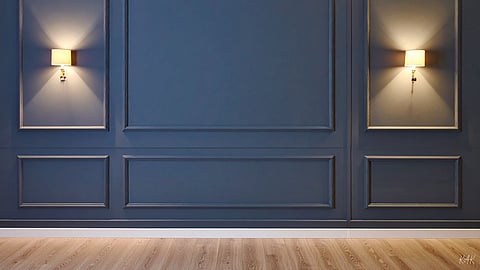
Panels come in various designs, fabrics, and patterns—turning functional sound treatment into modern décor.
Most wall panels install directly onto existing walls without construction disruption.
Explore styles here: 👉 Acoustic wall panels. By strategically installing these panels, you can significantly improve clarity while reducing unwanted sound.
Because sound travels upward, the ceiling becomes a major reflective surface in open homes. Installing acoustic ceiling panels reduces airborne echo and helps balance the entire room’s acoustic performance.
Benefits include:
● Better sound quality for entertainment systems
● Reduced background noise
● Improved comfort in busy shared spaces
● Suitable for high-ceiling or vaulted rooms
Ceiling treatments are ideal for kitchens, living rooms, and dining spaces.
Browse options here:
👉 Acoustic ceiling panels
Not every surface needs treatment—just key reflective areas.
Focus on:
Living Rooms
Reduce TV echo
Prevent sound from traveling throughout the space
Kitchens
Manage hard surfaces like cabinets, counters, and tiles
Dining Areas
Improve conversation audibility without raising your voice
Hallways or Stairwells
Prevent noise amplification and transfer between floors
Acoustic panels are no longer dull or industrial. Modern options allow you to match your interior theme while improving acoustics.
Consider:
Fabric-wrapped panels for soft, elegant finishes
Timber slat acoustic panels for Scandinavian or modern looks
Geometric and modular designs for statement walls
Cloud or baffle ceiling panels for dramatic visual effect
Acoustics can now enhance aesthetics—not compromise them.
The number of panels depends on:
Room size
Ceiling height
Furniture and materials
Noise level
As a simple guideline:
Professional acoustic assessment can provide precise recommendations.
Open-concept living creates beautiful spaces—but when noise becomes overwhelming, it can affect comfort, communication, and daily life. Using acoustic wall panels and acoustic ceiling panels offers a modern, effective way to control sound professionally while still preserving the spacious, seamless layout you love.
Whether you're renovating, building new, or retrofitting an existing layout, the right acoustic treatment ensures your home feels peaceful, functional, and enjoyable.
Explore high-quality solutions to begin creating a quieter open space:
🔹 Acoustic wall panels
🔹 Acoustic ceiling panels
No—panels reduce echo and improve clarity. For full soundproofing, additional construction layers may be required.
Not anymore—modern designs can look like artwork, decorative slats, or seamless ceiling tiles.
Most wall and ceiling panels are simple DIY installations, but larger projects may require professional fitting.
Yes—ceiling panels are especially useful in tall spaces where sound travels vertically.
High-quality panels can last 10–30 years depending on material and placement.
Inspired by what you read?
Get more stories like this—plus exclusive guides and resident recommendations—delivered to your inbox. Subscribe to our exclusive newsletter
The products and experiences featured on RESIDENT™ are independently selected by our editorial team. We may receive compensation from retailers and partners when readers engage with or make purchases through certain links.