
- Locations
- Interviews
- Luxury Home
- Luxury Lifestyle
- Luxury Travel
- Luxury News
- Events
- More
- Magazine
- Contact Us

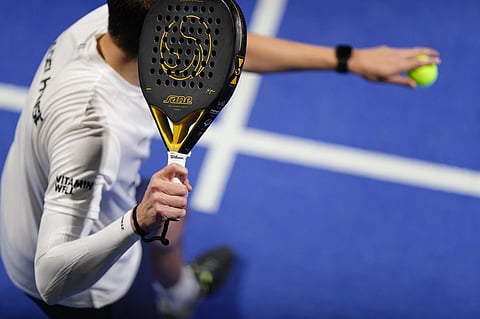
A few balls, a partner eager to have a good time, and, within minutes, the court starts turning into a small battleground full of laughter, sprints, and unexpected shots. But when it’s time to compete, even in friendly matches, many pairs feel they could perform much better if they understood a few key guidelines about teamwork. You don’t need to be a professional to play in a more coordinated and, of course, effective way.
Playing as a pair is much more than splitting the court. Communication makes such a big difference that sometimes it decides a point even before hitting the ball. Warning each other, correcting positions, and encouraging each other after a missed shot… These are small actions that keep the team united and reinforced.
At this point, gear also counts, especially when it comes to moving safely and reacting on time. That’s why many pairs choose specific footwear that helps with quick movements and strong grips, like padel shoes for men of RacketFits, which add stability and comfort with every jump and change of direction. This extra material security helps both players focus more on the game and less on the risk of slipping or awkward movements.
As matches go by, the pair starts understanding each other almost without speaking… who defends the wall shots better, who dares more near the net, who has the best wrist control for lobs or overheads. This “shared intuition” is built with practice, patience, and a lot of complicity.
One of the most important keys to winning matches is learning to move in a coordinated way. In padel, staying still basically means giving opportunities to the opponent. When one moves forward to the net, the partner must follow the movement to avoid leaving dangerous gaps. If a deep lob arrives and one retreats to defend it, the other adjusts their position to cover the angle.
Players often talk about maintaining an “imaginary line”, a sort of invisible thread connecting both teammates. If one is too far forward and the other too far back, the court becomes unbalanced, and the team loses control. But when both move almost as a single organism, defending and attacking become easier, more intuitive, and much less stressful.
In padel, flashiness doesn’t always win. What really matters is having several reliable shots that work even in tense situations.
The bandeja: Essential for answering lobs without losing the net. Requires control and depth.
The volley: The firmer and better aimed, the harder it is for the opponent. Volleys allow you to dominate points from the net.
The lob: A strategic weapon that clears the game, disrupts the opponent, and forces them to step back. Well executed, it completely changes the dynamic.
Wall exits: They turn defensive balls into offensive opportunities. Learning to read the rebound helps relieve pressure and gain initiative.
A detail many pairs overlook is reading the opponent’s style. Every rival has habits. Some always look for the cross-court volley, others overuse the lob, and others prefer a slow and steady pace.
Detecting these patterns allows for smart decisions. If one opponent struggles with wall shots, it’s a good idea to send more balls there. If they rush to the net too quickly, a well-chosen lob will force them back. If they always volley to the same side, anticipating it can change the point.
Watching, analyzing, and adjusting turns the match into a fun challenge full of small tactics.
No one improves overnight, but pairs who train consistently progress quickly. Repeating volleys, practicing bandejas, working on coordinated movements, or polishing strategic lobs are simple exercises that deliver visible results.
Padel, besides being competitive, is a social sport. The more you enjoy the experience, the more fluid the pair’s game becomes. With training and good communication, even without much experience, you can start winning more matches and feeling more confident on the court.
Inspired by what you read?
Get more stories like this—plus exclusive guides and resident recommendations—delivered to your inbox. Subscribe to our exclusive newsletter
The products and experiences featured on RESIDENT™ are independently selected by our editorial team. We may receive compensation from retailers and partners when readers engage with or make purchases through certain links.