
- Locations
- Interviews
- Luxury Home
- Luxury Lifestyle
- Luxury Travel
- Luxury News
- Events
- More
- Magazine

There is something exciting about watching a backyard transform from dirt and framing into a place where you can swim, relax, and gather with people you care about. Yet people often pause at one key decision. Should they finance the pool while it is being built or wait until the project wraps up? Both paths work, although the timing can change how much you spend, the approval process, and how prepared you feel when the first bill arrives. Thinking it through early saves stress later and gives you a clearer sense of that final picture.
Securing funds during construction tends to feel straightforward. Everything happens in one flow. You apply, get approved, work with your builder, and then draw from the loan as stages are completed. This staged funding can reduce pressure because you are not paying out of pocket while walls go up and plumbing gets added. Some lenders even structure the loan to disburse at each milestone. That makes it easier for contractors to keep moving without delays.
Financing early also helps lock in a budget. Once the loan is approved, you know your spending cap and can plan for features like lighting, decking, and landscaping. If upgrades come up later, at least you are building from a defined number rather than scrambling to adjust midway. People who like predictability tend to favor this route. It keeps the entire project clean and organized in one financial package.
Even with the benefits, some homeowners hesitate. A construction-phase loan might carry interest-only payments while the build is underway. That means you could be paying without enjoying the pool yet. There is also a bit of emotional risk. Designs evolve. Preferences evolve. If you change your mind halfway, a loan in place limits how much flexibility you have unless you request adjustments.
Another challenge is approval timing. When financing before construction, lenders evaluate projected value rather than a finished product. If the home appraisal comes in lower than expected, approval can slow down or need modification. For people who want to see the pool before taking on long-term payments, waiting sometimes feels more comfortable.
Once construction wraps up, you can explore financing with a completed appraisal. Lenders see the finished pool. There is no guesswork. That sometimes leads to better approval terms. You also avoid early interest during construction. Instead, payments start once everything is done and ready for swimming.
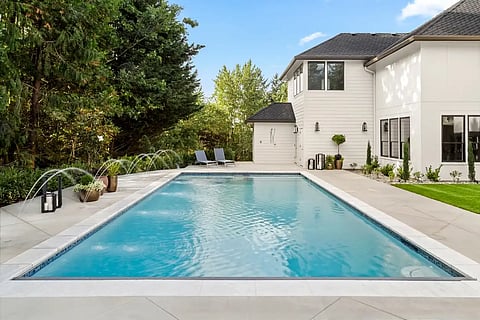
Some homeowners also appreciate the emotional clarity. It is easier to commit to long-term repayment when the pool is finished and the investment feels real. You walk outside. You see water moving across tile. The decision becomes less theoretical. That feeling can matter more than people expect.
The main drawback is carrying the initial build cost yourself. If you pay contractors in phases using savings or short-term credit, the numbers might climb faster than expected. Often, people underestimate the total pool cost, especially with upgrades like heaters, slides, fencing, or concrete finishing. By the end, you might be seeking a higher loan amount than you planned. And if rates rise between groundbreaking and completion, waiting could cost more.
There is also timing pressure. If you plan on rolling construction expenses into a single loan later, be sure your credit and income remain stable. Even small financial changes can affect approval. Some borrowers find it easier to secure financing upfront instead of hoping for good terms after months of spending.
No single answer works for every situation. People who want financial structure from day one often prefer securing funds during construction. They streamline payments, avoid dipping into savings, and benefit from staged funding. On the other hand, someone comfortable fronting costs or using temporary credit might wait for completion to secure better appraisal backing and negotiate rates with a finished asset behind them.
It sometimes helps to play out both scenarios on paper. List what you know, what you do not know, and what could change. Does your builder offer financing partnerships? Are you comfortable with interest-only periods? Would seeing the finished pool make your long-term payments feel more justified? Answering questions like these can make the decision steadier.
Financing during construction and financing after completion both lead to the same outcome. You end up with a pool where memories happen. The difference rests in how you manage money along the way. Some people prefer certainty early. Others wait for the final product. Either way, understanding timing, structure, and risk helps you move forward without second-guessing yourself. When the build ends and you step into clear water for the first time, you will likely care far more about the splash than the payment plan that got you there.
Inspired by what you read?
Get more stories like this—plus exclusive guides and resident recommendations—delivered to your inbox. Subscribe to our exclusive newsletter
The products and experiences featured on RESIDENT™ are independently selected by our editorial team. We may receive compensation from retailers and partners when readers engage with or make purchases through certain links.