
- Locations
- Interviews
- Luxury Home
- Luxury Lifestyle
- Luxury Travel
- Luxury News
- Events
- More
- Magazine

The definition of “wellness” has shifted dramatically over the past decade. What was once a category dominated by gym memberships and occasional yoga classes has evolved into an expansive lifestyle movement—one that prioritizes personalization, longevity, and intentional living. At the center of this shift is a rapidly growing sector known as luxury fitness, where tailored training experiences replace cookie-cutter workouts, and where physical well-being is deeply intertwined with mental, professional, and social balance.
Luxury fitness is no longer merely about exclusivity or aesthetics. It’s about meeting people where they are, understanding their goals on a granular level, and crafting programs that support long-term vitality rather than short-term trends. As wellness culture becomes progressively more sophisticated, personalized training is emerging as one of its strongest drivers.
For many people, traditional fitness models—large facilities, overcrowded classes, and generalized programming—no longer meet the demands of their daily lives or wellness aspirations. Modern consumers expect more precision, more support, and more expertise. This shift is influenced by several broader cultural movements.
First, there is a growing awareness of whole-body wellness. Leading organizations in health and performance science emphasize the importance of individualized factors such as mobility patterns, stress levels, sleep quality, and metabolic differences. People are increasingly attuned to the fact that a single approach cannot realistically address unique bodies, lifestyles, or goals.
Second, time has become a luxury in itself. High-performing professionals and individuals with demanding schedules are seeking efficiency without compromising depth. A tailored training session with a qualified expert offers more value in less time than navigating a generic routine alone.
Third, there is a rising cultural preference for experiences over products. Curated, high-touch services resonate more deeply with individuals who view wellness as an investment rather than a task. It is this mindset that has helped luxury fitness establish itself as a cornerstone of contemporary wellness culture.
Personalized training is not new, but its role in shaping modern wellness culture has expanded. What once meant simply working with a trainer now encompasses fully customized programs grounded in expert insights and long-term behavioral support.
Today’s luxury trainers often evaluate more than a client’s strength or cardiovascular fitness. They consider posture, functional movement, recovery needs, lifestyle constraints, nutritional habits, and even mindset. This comprehensive approach mirrors what wellness researchers and elite athletic programs have advocated for years: meaningful progress requires a clear understanding of the whole person, not just their gym performance.
This deeper level of personalization is what sets luxury fitness apart. Clients are not slotted into predesigned templates. Instead, their routines are built around their bodies, objectives, limitations, and daily rhythms. Whether someone is aiming to increase longevity, improve aesthetics, reduce stress, or enhance athletic performance, their program evolves with them—not the other way around.
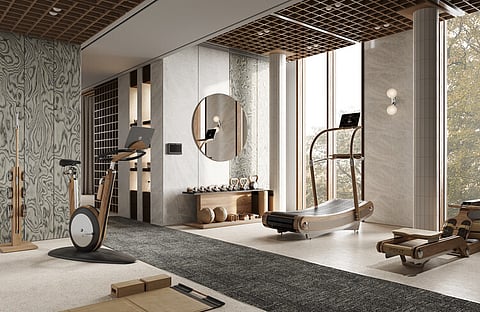
When this level of customization is paired with high-end environments, advanced equipment, and dedicated attention, it creates a training experience that feels both purposeful and restorative. This is why so many people now view luxury fitness not as an indulgence, but as a high-value component of their self-care ecosystem.
Luxury fitness has gained momentum across major cities, but its growth in certain wellness-focused communities has been especially prominent. Scottsdale, for example, has emerged as a regional hotspot for elevated wellness services, known for its blend of outdoor culture, high-end living, and health-conscious residents.
Within these markets, individualized programs stand out as a preferred choice for people seeking accountable, long-term support. Many turn to luxury personal training to access a level of expertise and attention that ensures their effort translates into meaningful, sustainable results.
What clients consistently value is the combination of privacy, structure, and professional guidance. Personalized training sessions eliminate the guesswork that so often leads to plateaus or burnout. They also create space for individuals to focus on progress rather than distraction—something increasingly rare in a world where wellness often feels tangled with digital noise and constant comparison.
Another key driver of this movement is professional credibility. People want high-quality information from qualified experts, not generic advice or fragmented wellness tips. Many personal trainers in the luxury space have backgrounds or specialized knowledge in areas such as corrective exercise, strength and conditioning, functional training, and lifestyle coaching. Their role extends beyond counting reps; they serve as educators, analysts, and strategic partners.
This aligns with a larger shift in public perception: wellness decisions are increasingly guided by reputable insights rather than trends. Consumers look for solutions that reflect principles commonly supported by health professionals and respected institutions—individualization, well-rounded programming, and consistency over quick fixes. Luxury fitness embodies these values by prioritizing science-aligned approaches and long-term strategy.
The growth of luxury fitness is not simply about higher-end spaces or personalized services. It reflects a broader recalibration of what people value in their wellness journeys.
It shows a desire for depth rather than superficial change.
It reveals a preference for meaningful progress over performative routines.
And most of all, it underscores a shift toward quality of guidance, of experience, and of life.
As modern wellness culture continues to evolve, this emphasis on tailored, evidence-informed support will likely become even more central. Luxury fitness is setting a new standard for how people understand and approach their health: with intention, with personalization, and with a commitment to long-term well-being.
The rise of luxury fitness marks a significant turning point in how we think about health. It has carved out a space where training becomes more than physical effort—it becomes a refined, supportive, and deeply personal experience. As more people seek sustainable ways to enhance their well-being, personalized training will continue to play a defining role.
By focusing on human needs rather than trends, and by elevating the experience through expert guidance and thoughtful structure, luxury fitness is helping reshape what modern wellness can look like. It invites individuals to invest in themselves with purpose, clarity, and confidence—ultimately redefining fitness as an essential part of a balanced, empowered life.
Inspired by what you read?
Get more stories like this—plus exclusive guides and resident recommendations—delivered to your inbox. Subscribe to our exclusive newsletter
The products and experiences featured on RESIDENT™ are independently selected by our editorial team. We may receive compensation from retailers and partners when readers engage with or make purchases through certain links.