
- Locations
- Interviews
- Luxury Home
- Luxury Lifestyle
- Luxury Travel
- Luxury News
- Events
- More
- Magazine
- Contact Us

A major Chicago blizzard can transform a routine corporate shuttle run or a carefully planned event itinerary into a logistical nightmare, often with little to no notice. For event planners, school administrators, and business owners, the risk of weather-related delays during the cold season poses a significant threat to safety and scheduling. Successfully managing group transportation in the Chicagoland area demands far more than merely reserving a vehicle; it requires a proactive, safety-first strategy focused on preparedness and professional execution. This comprehensive guide, written by a transportation expert, outlines the critical factors you must scrutinize to ensure your group journey delivers safety, comfort, and reliability throughout the winter months. The correct Chicago charter bus service is key to this success.
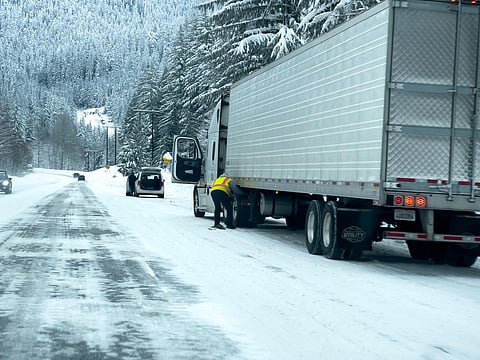
The Chicagoland area is notorious for its rapidly changing and often severe winter weather, characterized by sudden blizzards, freezing rain, and persistent black ice. These conditions impose unique operational hurdles on large-scale group transport. Unlike passenger cars, large vehicles require significantly greater stopping distances and are more susceptible to high crosswinds.
The biggest risk to group travel in a Chicago winter is not just the delay; it is the safety compromise when a service provider is unprepared. According to data from the Federal Motor Carrier Safety Administration (FMCSA), weather is a factor in a high percentage of heavy vehicle crashes annually, underscoring the severe consequences of inadequate preparation. Successfully managing your itinerary requires anticipating these challenges and ensuring the chosen provider has an exhaustive mitigation plan in place before the first snowflake falls.
While the quality and condition of the vehicle are paramount, the expertise of the individual behind the wheel is the ultimate arbiter of safety during winter travel. There is a common misconception that all commercial drivers possess the same level of training and familiarity with hazardous conditions. This is unequivocally false.
A truly professional transportation provider ensures its drivers are seasoned professionals who have mastered winter road protocols, not merely possessing a Commercial Driver’s License (CDL). These expert drivers understand advanced braking techniques, utilizing engine retarders and maintaining immense following distances necessary for large coach operation on ice. They excel in route adaptation, proactively diverting around known trouble spots, such as unplowed roads in the suburbs of Naperville or icy expressways near Gary, Indiana. A driver’s experience is precisely what prevents a minor delay from escalating into a dangerous situation, especially when navigating the high-stakes logistics or time-sensitive corporate commutes.
The mechanical readiness of the coach is a direct reflection of the provider's commitment to passenger safety. When booking group transportation, you must ask pointed questions about fleet maintenance and protocols.
A strong service provider will readily confirm comprehensive pre-winter maintenance procedures for their fleet. Look for modern vehicles with proven anti-lock braking systems (ABS) and electronic stability control. Confirm that vehicles are equipped with dedicated winter-grade tires, as relying on all-season treads significantly increases risk and stopping distances on ice and snow. The provider must detail the backup vehicle protocols in place for a mechanical failure in sub-zero temperatures, ensuring the rapid dispatch of a replacement 56 passenger coach bus to prevent passenger exposure during a breakdown. Industry data confirms that carriers with lower DOT ratings often demonstrate higher rates of mechanical deficiencies found during roadside inspections, making these questions vital to your group safety.
When vetting potential providers, rely on verifiable facts and established safety records rather than salesmanship. The core of a quality provider is its sustained commitment to safety compliance.
Look for a company that demonstrates expertise through top-tier DOT Safety Ratings, which indicate high compliance with federal safety regulations and low rates of violations during inspections. The provider must use dedicated, professional personnel directly, investing in their training and ensuring a uniform standard of safety and hospitality, unlike firms that outsource to temporary laborers. Seek references that specifically address driver professionalism and vehicle performance during poor weather conditions, such as travel between Chicago and Valparaiso, Indiana, in winter. Choosing a firm solely based on the lowest bid often means compromising on these critical quality indicators, unnecessarily escalating your group’s risk.
For high-priority events, such as a New Year's Eve wedding in downtown Chicago or a critical corporate meeting in Aurora, managing weather-related schedule risk is paramount. The provider must demonstrate transparent and proactive operational planning.
The most reliable service providers establish a clear communication framework. They should communicate estimated road conditions and potential minor delays 12–24 hours in advance. The driver or a dispatcher must maintain open lines of communication regarding unexpected traffic or sudden road closures, using a PA system to keep all passengers informed. For scenarios like wedding transportation Chicago, the provider should agree upfront to flexibility on minor timing changes without imposing exorbitant fees, understanding the inherent fluidity of winter events. A reliable charter bus service maintains a 24/7 dispatch capability, allowing for the rerouting of vehicles and immediate client notification of any issues that threaten the travel logistics.
The cost of specialized winter service reliability, while potentially higher than summer rates, must be framed as a necessary expenditure for risk mitigation. This is where the true investment value lies.
You may encounter optional fees, such as for enhanced WiFi or extended driver hours due to mandatory weather delays. However, compare these costs to the potential financial consequences of unreliable service. For a corporation, a delayed employee shuttle service during a major snow event can lead to hours of lost productivity, making the investment in premium transportation highly justifiable. An ethical provider will offer cost-effective solutions and transparent billing, ensuring you understand exactly what you are paying for. They contrast the small cost of winter preparation with the large cost of business interruption or a compromised high-stakes event.
Successfully planning group transportation during the unpredictable winter season requires a focus on proactive preparation and adherence to stringent safety standards. The primary goal is to minimize risk and maximize comfort, transforming a potential logistical crisis into a smooth, safe journey.
The key factors you must prioritize are: 1) Vetting the provider's fleet for dedicated winter readiness. 2) Confirming the use of seasoned drivers who are experts in Chicagoland area winter protocols. 3) Securing transparent operational plans to manage delays for time-sensitive events. Prioritize safety and experience when booking your next group journey to ensure your party arrives reliably, regardless of the weather.
Inspired by what you read?
Get more stories like this—plus exclusive guides and resident recommendations—delivered to your inbox. Subscribe to our exclusive newsletter
The products and experiences featured on RESIDENT™ are independently selected by our editorial team. We may receive compensation from retailers and partners when readers engage with or make purchases through certain links.