
- Locations
- Interviews
- Luxury Home
- Luxury Lifestyle
- Luxury Travel
- Luxury News
- Events
- More
- Magazine

Keeping two rooms comfortable in temperature at the same time can often feel impossible.
The good news is that you can fix this without tearing into walls or installing new ductwork.
A mix of smart airflow adjustments, small insulation tweaks, and modern room-based systems can bring both spaces to a comfortable balance.
Temperature differences usually come from the home’s layout, airflow patterns, or sunlight exposure.
Once you understand what is causing the problem, you can match it with the right solution, without needing to start a renovation project.
Two rooms can feel wildly different for simple reasons like window placement or blocked airflow.
Structure shape and indoor heat distribution can shift temperatures more than homeowners expect.
For example, sun-facing rooms warm up faster, rooms above basements lose heat more quickly, and older vents sometimes push air unevenly.
The best part is that most solutions come from maintenance, airflow, and equipment upgrades.
You can improve your comfort significantly by directing air where it needs to go and preventing temperature loss through leaks or poorly-controlled ventilation.
This section covers practical steps you can take right away. They require little to no installation but can still make a major difference.
Airflow issues are one of the biggest reasons temperatures fluctuate. Even small airflow adjustments can help balance temperature differences.
Try the following:
Shift any furniture that is blocking vents or pathways.
Use a small fan to guide warm or cool air toward the other room.
Keep doors slightly open to reduce pressure changes.
These simple steps help your HVAC system move conditioned air more evenly.
You do not need construction-level insulation work to feel a difference.
Window films, thicker curtains, and draft blockers reduce heat transfer and will help both rooms stabilize.
Sealing small gaps is one of the fastest ways to boost heating and cooling efficiency.
When the two rooms never seem to match in temperature, dedicated zone control is often the easiest fix.
A dual zone mini split system lets you heat or cool each room on its own thermostat, which solves the root of the problem rather than fighting the symptoms.
Because these units do not need ductwork, they are popular for older homes, additions, or any space where a full renovation is not an option.
If you want a more powerful, energy-efficient fix but still want to avoid renovations like tearing down walls, there are upgrade options that fit between “simple tweaks” and “major project.”
Modern reverse-cycle air conditioners outperform older gas or electric systems while delivering both heating and cooling.
Many of these options mount on walls or sit outside the home without requiring duct modifications, thus making them ideal for two-room optimization.
Newer heat pump systems and zoning technologies are becoming more flexible and retrofit-friendly.
Even compact VRF units are built to handle multi-room conditioning with impressive precision. These systems can scale up or down depending on the number of rooms and how much control you want.
Sometimes your HVAC system can do the job already; it just needs better instructions.
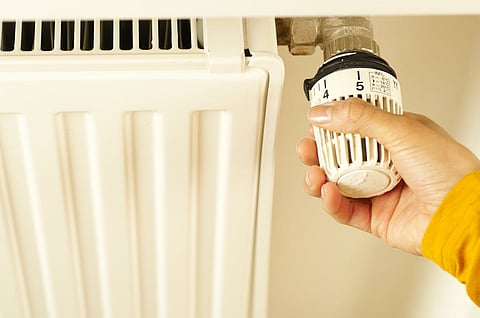
Thermostats, small dampers, and automation settings can help keep two rooms balanced. You can set different temperatures or schedules so each space gets only the heating or cooling it needs.
Getting two rooms to maintain optimal temperatures does not have to involve cutting into walls or redesigning your entire HVAC system.
With airflow improvements, insulation tweaks, and modern two-zone solutions, you can make both spaces comfortable throughout the year.
You can also revisit these adjustments seasonally to keep everything running smoothly as weather patterns shift.
Small check-ins, like confirming airflow paths or updating thermostat schedules, will help your rooms remain consistently comfortable in temperature.
Inspired by what you read?
Get more stories like this—plus exclusive guides and resident recommendations—delivered to your inbox. Subscribe to our exclusive newsletter
The products and experiences featured on RESIDENT™ are independently selected by our editorial team. We may receive compensation from retailers and partners when readers engage with or make purchases through certain links.