
- Locations
- Interviews
- Luxury Home
- Luxury Lifestyle
- Luxury Travel
- Luxury News
- Events
- More
- Magazine

Across California, ordinary residential homes quietly become places where older adults receive daily support, dignity, and a sense of community. Behind every licensed RCFE is an owner who worked through zoning questions, home safety upgrades, state licensing requirements, and mandatory training. Learning how these pieces fit together early helps replace uncertainty with a clear, achievable plan.
If you are considering turning your California residential home into an RCFE, this guest post provides a straightforward overview. It focuses on licensing expectations, required RCFE training, and the education path that prepares owners and administrators for long-term success.
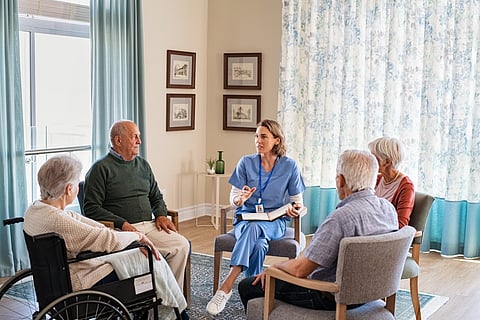
An RCFE is a licensed assisted living setting that serves adults aged 60 and older. Many facilities operate with four to six residents, which allows for individualized care and close family relationships. Families often prefer this environment because it feels like home rather than an institution.
For owners, a small RCFE can balance mission and sustainability. Startup costs are often lower than large communities, and daily operations remain manageable when systems are set up correctly from the beginning.
Before diving into applications and training, it helps to confirm that an RCFE fits both your goals and your property. An RCFE differs from independent living, skilled nursing, and unlicensed board and care homes. Only a licensed RCFE can legally provide personal care and supervision in this setting.
Most first-time operators choose a four to six bed model. This size typically aligns with zoning expectations and staffing realities. Early conversations with local planning departments, fire authorities, and neighbors can surface issues that delay licensing later.
Local demand matters as well. Reviewing nearby RCFEs, pricing, and waitlists helps you understand whether your community needs additional residential care options.
A single-family home often needs updates to meet RCFE standards. Licensing focuses on safety, accessibility, and resident comfort. Inspectors look closely at entrances, exit routes, bathrooms, and common areas.
Fire and life safety requirements deserve special attention. Clearance standards depend on whether residents are ambulatory or non-ambulatory, and requirements vary by local fire authority. Planning with these expectations in mind reduces costly redesigns.
Thinking like a surveyor early helps. If a space feels unsafe or unclear, it often becomes a correction during inspection.
RCFEs in California are licensed through the Community Care Licensing Division of the California Department of Social Services. The process is detailed and documentation-heavy, and timelines commonly range from several months to over a year.
Applicants begin with a required orientation, then secure site control through ownership or a lease that allows RCFE use. From there, the focus shifts to preparing the license application packet.
This packet includes multiple forms and attachments that demonstrate operational readiness. These materials cover staffing plans, financial capacity, facility layout, and background clearances. Errors or omissions often result in delays, which is why many applicants seek structured guidance when assembling their application.
Every RCFE must have a qualified administrator. This individual oversees compliance, staffing, resident care coordination, and communication with regulators and families. The role requires both operational judgment and regulatory knowledge.
California requires administrators to complete an eighty-hour initial certification training, pass a state exam, complete a background check, and receive approval through the Administrator Certification Bureau. This requirement applies whether the administrator is also the owner or a hired professional.
State-approved RCFE training covers core topics such as regulations, dementia care, medication management, and daily operations. The goal is preparation, not just exam completion.
Choosing the right education provider shapes how confident and prepared you feel as an operator or administrator. Training should translate regulations into real-world practice.
Assisted Living Education is an example of California approved provider. Its RCFE programs include RCFE Administrator Certification Training, continuing education for recertification, and RCFE license application consulting. These offerings support both hands-on owners and investors who want a clear understanding of compliance and risk.
Education remains valuable even if you plan to hire an administrator. Informed owners make better decisions and build stronger partnerships with their leadership team.
Licensing approval marks a milestone, not the finish line. Operators must prepare for staffing, insurance, and financial sustainability from day one. Staffing plans should reflect resident needs and ensure coverage across all shifts. Insurance coverage and proof of operating capital are also reviewed during licensing and inspections.
Many successful owners view their RCFE as both a care setting and a learning environment. Some layer caregiver training or administrator preparation into their operations, helping staff grow while reinforcing compliance culture.
Turning a California home into an RCFE requires patience, education, and realistic planning. When you understand the licensing steps, training requirements, and operational expectations, the process becomes far more manageable.
If you are early in your journey, start with a readiness checklist that outlines California RCFE licensing steps and required forms. From there, explore RCFE training with a Department of Social Services approved provider to map your owner or administrator path.
With the right preparation, a single-family home can become a place of safe care, professional growth, and lasting impact.
Inspired by what you read?
Get more stories like this—plus exclusive guides and resident recommendations—delivered to your inbox. Subscribe to our exclusive newsletter
The products and experiences featured on RESIDENT™ are independently selected by our editorial team. We may receive compensation from retailers and partners when readers engage with or make purchases through certain links.