
Smoke, Signals, and Social Codes in Australian City Life

Australian cities have always expressed themselves through small rituals. The way people linger outside a bar in Melbourne, step onto a Sydney balcony as the light fades, or drift toward the edge of a gathering in Brisbane often says more about urban culture than any skyline ever could. These moments are quiet and fleeting, yet they carry meaning.
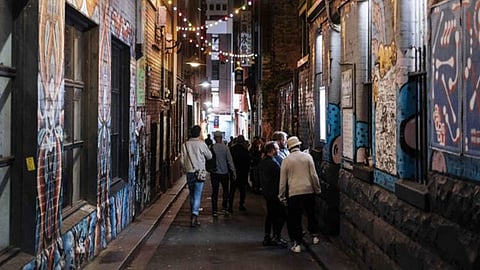
For decades, social smoking played a visible role in these rituals. It structured pauses in conversation, dictated where people stood, and created informal meeting points outside venues. Stepping out for a cigarette was rarely just about nicotine. It was about air, proximity, and belonging. A shared moment on the footpath or in an alleyway often mattered as much as what was happening inside.
Over time, that visibility softened. As regulations tightened and social expectations shifted, the ritual did not disappear, but it changed. What was once openly performed became quieter and more contained. Vaping began to replace traditional smoking in many social settings, bringing with it a different kind of presence. Less smoke, less spectacle, and far less emphasis on being seen.
There is something distinctly Australian in this adjustment. Unlike cities that thrive on excess, Australian urban life tends to favour restraint. Habits here rarely announce themselves. They adapt slowly and often invisibly. Where smoking once claimed footpaths and entryways, vaping now slips into balconies, courtyards, and private pauses that do not interrupt the flow of conversation.
This shift from social smoking to more discreet vape use has also changed how people access these products. What was once purchased impulsively in public settings has increasingly moved online, shaped by regulation, privacy, and a desire for discretion. Platforms such as Australian Vapers sit within this quieter ecosystem, supplying vape products away from nightlife scenes yet remaining closely connected to the habits that continue to shape modern urban behaviour.
Regulation plays a quiet but powerful role in this story. Rules are firm, and expectations are clear, even when enforcement feels uneven. The result is rarely rebellion. It is an adaptation. In Sydney, vaping migrates upward onto balconies overlooking harbour lights. In Melbourne, it slips into laneways and interior spaces. In Brisbane, it stretches into warmer nights and domestic settings where the boundary between public and private feels more fluid.
Regulation does not erase behaviour. It reshapes it.
Modern urban identity in Australia is rarely declared outright. It is implied through detail. Neutral clothing. Minimal interiors. A preference for control over excess. The way people manage habits like vaping has become part of this language. There is an awareness of who is nearby and how much space is being taken up. These gestures signal consideration rather than defiance, a kind of social fluency that feels distinctly urban and distinctly Australian.
Social life itself has also shifted. Large, crowded venues still exist, but they now share space with smaller gatherings that prioritise comfort and continuity. Home dinners, rooftop drinks, and intimate settings have become just as central to city culture as nightlife districts. In these environments, vaping fits naturally because it demands less interruption. Conversation continues. Presence is maintained.
What is striking about this evolution is how little attention it has drawn. There has been no defining cultural moment or public reckoning. Vaping has simply found its place. It now exists as part of the texture of Australian city life, neither celebrated nor condemned. Like reusable cups on café tables or headphones on late-night trams, it quietly reflects how people navigate shared space with greater awareness.
Australian cities are increasingly places of negotiation rather than declaration. They reward subtlety and encourage adaptation. The smallest choices, where people pause, how they step aside, what they choose to keep private, reveal how urban life here continues to evolve under social and regulatory pressure.
In Australia, culture does not shout. It adjusts. The most meaningful changes are written not in headlines, but in the quiet choreography of everyday behaviour.
Inspired by what you read?
Get more stories like this—plus exclusive guides and resident recommendations—delivered to your inbox. Subscribe to our exclusive newsletter
Resident may include affiliate links or sponsored content in our features. These partnerships support our publication and allow us to continue sharing stories and recommendations with our readers.