
- Locations
- Interviews
- Luxury Home
- Luxury Lifestyle
- Luxury Travel
- Luxury News
- Events
- More
- Magazine

In an era where wellness intersects with luxury, the bedroom has evolved from a simple resting place into a carefully curated sanctuary that supports our physical, mental, and emotional wellbeing.
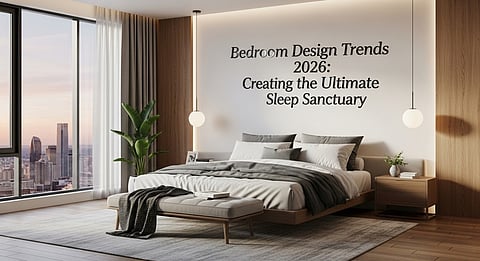
The bedroom of 2026 represents a significant departure from the stark minimalism that dominated the previous decade. As we move deeper into a new era of interior design, the focus has shifted toward creating spaces that feel deeply personal, restorative, and intimately connected to the rhythms of rest and renewal. The modern luxury bedroom is no longer about how pristine it appears in photographs, but rather how profoundly it nurtures the person who inhabits it.
This transformation reflects broader cultural shifts toward prioritizing sleep health, embracing tactile comfort, and investing in quality over quantity. From thoughtfully selected foundational pieces like OMF double bed frame, the bedrooms emerging in 2026 are characterized by their warmth, their attention to sensory detail, and their ability to create an atmosphere that genuinely supports restorative sleep.
Before we delve into aesthetics, it's essential to understand that the best bedroom designs of 2026 start with intentional architecture and spatial planning. The layout of your sleep sanctuary matters as much as the objects within it.
Progressive bedroom design now incorporates distinct zones within the space. Rather than treating the bedroom as a single-purpose room, designers are creating subtle divisions that support different aspects of rest and self-care. A reading nook bathed in natural light, a meditation corner with floor cushions, or a dedicated vanity area separate from the sleeping zone all contribute to a more holistic approach to bedroom living.
The key is ensuring that the bed itself remains the unquestionable focal point. Everything else should enhance, not compete with, the primary purpose of the space: sleep.
2026 marks a revival of architectural character in bedroom design. Coffered ceilings, picture molding, wainscoting, and arched doorways are making thoughtful comebacks, adding depth and personality to what were once blank-canvas spaces. These details create visual interest without cluttering the room, maintaining the calm essential for rest while adding layers of sophistication.
Curved walls and rounded corners are particularly popular, softening the geometry of the room and creating a more womb-like, protective feeling that's psychologically conducive to sleep.
The color revolution in bedroom design represents one of the most dramatic shifts from previous years. While white and gray dominated luxury bedrooms throughout the 2010s and early 2020s, 2026 embraces a far warmer, more nurturing palette.
Clay, terracotta, warm sand, mushroom, and rich chocolate browns have become the new neutrals. These colors wrap the room in an embrace, creating an enveloping atmosphere that feels both grounding and sophisticated. Unlike the cool grays of the past, these warmer tones don't fight against artificial lighting in the evening, instead creating a golden-hour glow that naturally signals to your body that it's time to wind down.
Perhaps the most significant color trend for 2026 bedrooms is the emergence of complex blue-greens. These aren't the bright teals or navy blues of previous design cycles, but rather nuanced shades that evoke aged patina, mineral deposits, and natural stone. Think verdigris, sage with gray undertones, or the soft blue-green of eucalyptus leaves.
These colors have been scientifically shown to lower heart rate and promote feelings of tranquility, making them ideal for sleep spaces. They work beautifully on accent walls, particularly the wall behind the bed, creating a focal point that draws the eye without overstimulating the senses.
The most successful bedroom designs of 2026 employ a sophisticated approach to contrast. Rather than stark black-and-white combinations, designers are layering tonal variations, creating depth through subtle shifts in hue and saturation. A room might feature walls in warm putty, linens in ivory and cream, and accents in deeper caramel or cognac leather.
If there's one defining characteristic of 2026 bedroom design, it's the emphasis on texture and materiality. Luxury is no longer purely visual; it must be felt, experienced through touch, and savored through daily interaction with high-quality materials.
Wood has returned to the bedroom in a major way, but not the sleek, lacquered finishes of the past. Instead, we're seeing wood in its more natural states: slightly rough-hewn surfaces, visible grain patterns, and finishes that celebrate imperfection rather than conceal it. Oak, walnut, and ash are particularly popular, often in medium to darker tones that add warmth and weight to the space.
Stone is making unexpected appearances beyond the en-suite bathroom. Limestone or travertine side tables, marble-topped dressers, and even stone accent walls (properly insulated, of course) bring an element of permanence and natural beauty to the bedroom.
Textiles in 2026 bedrooms are all about layering and variety in texture. The era of matching bedroom sets is definitively over. Instead, successful bedroom designs mix linen with velvet, cotton with wool, and silk with rougher, more organic weaves.
Heavyweight linens, slightly rumpled and lived-in rather than crisp and hotel-perfect, dominate the bedding landscape. Bouclé appears on upholstered headboards and occasional chairs. Chunky knit throws in merino wool or cashmere provide both visual interest and genuine warmth.
The key is creating a bed that looks inviting to climb into, rather than one that appears too precious to disturb. Luxury in 2026 is about comfort first, aesthetics second.
Painted drywall is giving way to more artisanal wall treatments. Venetian plaster, lime wash, and clay plaster create walls with subtle texture and depth that change throughout the day as light shifts across them. These finishes also have practical benefits: they're naturally breathable, helping to regulate humidity in the bedroom, and they age beautifully, developing character rather than showing wear.
The furniture choices you make for your bedroom in 2026 should reflect the broader design philosophy of the era: fewer pieces, but each one exceptional in quality and deeply considered in its selection.
The bed frame has reclaimed its position as the single most important furniture investment in the bedroom. After years of platform beds and minimalist frames barely visible beneath piles of pillows, substantial bed frames with presence and character are back.
Upholstered headboards in natural linen or wool bouclé add softness and sound absorption (important for sleep quality), while wood frames in warm tones provide structure and visual weight. The best designs balance these elements, perhaps combining a wooden frame with an upholstered headboard.
Size matters in 2026, but not in the way you might think. Rather than always defaulting to king-size beds, there's a growing appreciation for double beds in smaller bedrooms or secondary sleeping spaces. When thoughtfully selected, quality double bed frames offer the perfect balance between generous sleeping space and room to breathe, leaving space for other essential bedroom elements like seating areas or dressing zones without the room feeling cramped.
The emphasis is on frames with architectural presence, sculptural silhouettes, or distinctive details that make the bed feel like a deliberate design choice rather than a functional necessity. Look for frames with rounded corners, fluted details, or interesting headboard shapes that add visual interest without overwhelming the space.
The days of perfectly matched nightstand sets are over. In 2026, asymmetry and personality reign. Designers are pairing a vintage trunk with a modern floating shelf, or combining a wood nightstand on one side with a small upholstered bench on the other.
The key is maintaining balance through color, scale, or material rather than exact matching. Both sides should feel intentional and complementary, even if they're not identical.
Every bedroom in 2026 should include somewhere to sit that isn't the bed. This might be a upholstered slipper chair in the corner, a bench at the foot of the bed, or even a small loveseat if space permits.
These pieces serve multiple practical purposes, from providing a place to put on shoes to offering a spot for reading or meditation, but they also contribute to the room's design. They break up the visual dominance of the bed and add another layer of comfort and habitability to the space.
Perhaps no element of bedroom design has evolved more dramatically than our approach to lighting. The single overhead fixture has been replaced by a carefully orchestrated system of light sources that support both function and circadian rhythm.
The best bedrooms of 2026 incorporate at least four types of lighting:
Ambient lighting provides overall illumination, but it's dimmable and warm-toned. Recessed ceiling lights on dimmer switches or a large, sculptural pendant with a fabric shade that diffuses light gently are preferred over harsh overhead fixtures.
Task lighting serves specific functions: reading lamps on nightstands, adjustable sconces mounted on the wall beside the bed, or directed lighting in a dressing area. These should be independently controllable so you can illuminate just what you need without flooding the entire room with light.
Accent lighting highlights architectural features or artwork, adding depth and visual interest. This might include uplighting to emphasize a vaulted ceiling, picture lights above artwork, or LED strips behind a headboard to create a subtle glow.
Natural light management is crucial. Layered window treatments allow you to control daylight throughout the day: sheer curtains that filter morning light gently, and heavier drapes or blackout shades for complete darkness when needed.
Smart lighting systems that adjust color temperature throughout the day are becoming standard in luxury bedrooms. These systems provide bright, blue-toned light in the morning to support wakefulness, gradually shifting to warmer, amber tones in the evening to support melatonin production and prepare the body for sleep.
The technology should be invisible, controlled through simple switches or voice commands rather than requiring you to open an app. The goal is supporting natural rhythms, not adding complexity to your evening routine.
Despite all the technological advances, there's been a renaissance of candlelight in bedroom design. Not as primary lighting, but as ritualistic elements that signal the transition from day to night. High-quality, non-toxic candles in sculptural holders or simple glass vessels create ambiance and can be part of a bedtime routine that helps your mind prepare for sleep.
Clutter is the enemy of restful sleep. Research consistently shows that visual clutter creates mental clutter, making it harder to relax and unwind. The bedrooms of 2026 solve this through intelligent, beautiful storage solutions.
Custom built-ins are increasingly common in luxury bedroom design, but they're executed with far more finesse than the bulky closet systems of the past. Floor-to-ceiling wardrobes with flush-mounted doors in the same finish as the walls create storage that disappears into the architecture. Open sections display beautiful objects or books, while closed sections conceal everyday items.
Multi-functional furniture has shed its college-dorm reputation and entered the luxury market. Bed frames with integrated storage drawers, benches that open to reveal interior compartments, and nightstands with hidden charging stations combine beauty with utility.
The key is that these functional elements should be nearly invisible. A bed with storage should look like a beautiful bed, not like a storage solution that happens to include a mattress.
Freestanding storage furniture, particularly antique or vintage pieces, is making a comeback. A beautiful armoire or dresser adds character and warmth to the bedroom while providing essential storage. These pieces anchor the room and create visual interest in a way that built-in storage simply cannot.
The bedroom of 2026 isn't just a place to sleep; it's an integrated wellness environment designed to support optimal health outcomes.
Smart air purification systems that operate silently during sleep hours are becoming standard. These aren't just HEPA filters, but sophisticated systems that monitor and adjust for VOCs, humidity levels, and particulate matter.
Climate control has similarly evolved. The best bedrooms maintain a slightly cool temperature (ideal for sleep is between 60-67°F or 15-19°C) and can automatically adjust throughout the night to support different sleep stages.
The connection between nature and wellbeing is well-established, and bedroom design reflects this. Low-light tolerant plants like snake plants, pothos, or peace lilies improve air quality and add life to the space.
Natural materials throughout the room, from wood floors to cotton linens to wool rugs, create an environment that feels connected to the natural world even in an urban setting.
Paradoxically, one of the most important wellness features of the 2026 bedroom is the intentional absence of certain technologies. Charging stations are built into nightstands or dressers but located away from the head of the bed. TVs, if present at all, are concealed in cabinetry or behind artwork that slides aside.
Some luxury bedrooms now include beautiful charging stations in the hallway just outside the bedroom door, encouraging residents to leave devices outside their sleep sanctuary entirely.
The most significant trend in bedroom design for 2026 is the move away from designer-driven aesthetics toward deeply personal spaces that reflect individual taste, history, and values.
Rather than buying bedroom "sets," today's luxury bedrooms feature curated collections of objects gathered over time. A vintage lamp inherited from a grandparent sits beside a contemporary sculpture from a local artist. Travel souvenirs are displayed thoughtfully rather than hidden away.
The art in your bedroom should be chosen for personal resonance, not investment value or trend-worthiness. Whether it's original paintings, photography, or even children's artwork professionally framed, the work should create emotional connection and contribute to the room's calming atmosphere.
Abstracts in soothing colors, nature photography, or serene figurative works tend to be most conducive to sleep, but the rule is simple: choose what makes you feel peaceful.
From monogrammed linens to custom paint colors mixed to match a beloved object, small personalized touches transform a beautiful bedroom into your bedroom. These don't need to be expensive; they need to be meaningful.
The difference between a good bedroom and an exceptional one often comes down to the thoughtful details layered throughout the space.
Following the luxury hotel model, many 2026 bedrooms incorporate signature scents through high-quality candles, diffusers, or linen sprays. Lavender, chamomile, sandalwood, and soft musks promote relaxation and create olfactory memory associations with sleep.
Acoustics matter more than most people realize. Soft materials throughout the room—upholstered furniture, heavy curtains, plush rugs—naturally absorb sound and create a quieter environment. Some luxury bedrooms now include acoustic panels disguised as artwork to further reduce noise.
White noise machines or apps that play natural sounds like rain or ocean waves can mask disruptive environmental noise, particularly in urban settings.
While the overall aesthetic has moved away from overly styled beds, bedding quality has never been higher. Natural fibers, breathable weaves, and substantial thread counts (though not the absurdly high counts that are actually less comfortable) create bedding that regulates temperature and improves sleep quality.
Layering is key: a lightweight blanket for summer months, a substantial duvet for winter, and throws that can be added or removed as needed. The bed should look inviting and feel customizable to individual comfort needs.
The final trend defining bedroom design in 2026 is the emphasis on sustainability and longevity. Rather than designing for a trend cycle, the focus is on creating rooms that will remain beautiful and functional for decades.
This means choosing furniture built to last, from solid wood frames to upholstery that can be reupholstered when desired. It means selecting classic designs that won't feel dated in five years, and quality materials that age beautifully rather than simply wearing out.
From paints and finishes to mattresses and textiles, there's a growing emphasis on natural, non-toxic materials that don't off-gas harmful chemicals into the air you breathe while sleeping. Organic cotton, natural latex, untreated wood, and low-VOC paints are becoming standard in luxury bedroom design.
The bedrooms that will still feel current in 2036 are those built on timeless principles: good proportions, quality materials, comfortable scale, and personal meaning. Trends come and go, but a well-designed bedroom that truly supports rest and reflects the person who uses it will remain relevant regardless of what's featured in design magazines.
Creating the ultimate sleep sanctuary in 2026 requires a shift in mindset. It's not about following a prescriptive design formula or recreating a luxury hotel room. Instead, it's about understanding the principles that support rest and wellbeing, then applying them in ways that feel authentic to you.
Start with the fundamentals: a room that can be made truly dark, a comfortable temperature, minimal noise disruption, and a bed that supports proper spinal alignment. Build from there with materials that feel good to touch, colors that calm rather than energize, and lighting that can be adjusted throughout the day.
Layer in personal elements, meaningful objects, and carefully selected furniture pieces that will serve you well for years to come. Remove anything that doesn't serve the room's primary purpose or bring you genuine joy.
The result will be a bedroom that isn't just beautiful in the abstract, but beautiful for you. A space that welcomes you at the end of each day, supports genuinely restorative sleep, and helps you wake feeling refreshed and prepared for whatever comes next.
In 2026, luxury bedroom design has finally aligned with what sleep science has told us all along: the environment where we sleep matters profoundly. By investing thought, care, and resources into creating a true sleep sanctuary, you're investing in every aspect of your health, productivity, and wellbeing. And that, ultimately, is the greatest luxury of all.
The bedroom of 2026 represents a return to what truly matters: rest, restoration, and the deeply personal spaces we create to support them. By embracing quality over quantity, personalization over perfection, and comfort over trends, you can create a sleep sanctuary that serves you beautifully for years to come.
Inspired by what you read?
Get more stories like this—plus exclusive guides and resident recommendations—delivered to your inbox. Subscribe to our exclusive newsletter
The products and experiences featured on RESIDENT™ are independently selected by our editorial team. We may receive compensation from retailers and partners when readers engage with or make purchases through certain links.