
- Locations
- Interviews
- Luxury Home
- Luxury Lifestyle
- Luxury Travel
- Luxury News
- Events
- More
- Magazine
- Contact Us

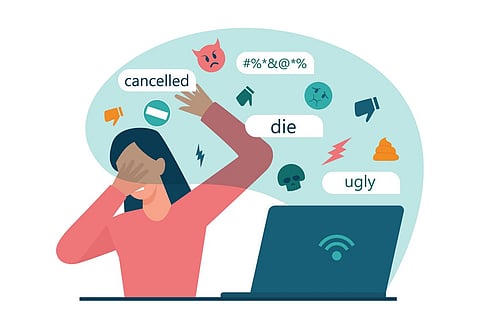
Private messaging feels personal, but it is also where harassment often starts. Unwanted messages, threats, manipulation, and repeated contact are common forms of abuse in direct chats.
If you want to protect yourself from harassment online, you need proactive habits, not reactive panic. Harassment rarely begins with obvious threats. It often starts small and escalates when ignored or tolerated. Private messaging safety depends on early action, smart tools, and clear boundaries.
This guide offers tested and practical strategies for online communication safety. Each step focuses on prevention, control, and fast response—so you stay confident while messaging.
Account security is the first layer of defense. Weak security makes it easier for harassers to target you repeatedly.
Use strong, unique passwords
At least 12 characters
Mix letters, numbers, and symbols
Never reuse passwords across platforms
Enable two-factor authentication (2FA)
Use app-based authentication, not SMS
This blocks unauthorized access even if a password leaks
Adjust privacy settings
Limit who can message you
Disable public profile visibility where possible
Hide email, phone number, and location
These steps are verified best practices for private messaging safety. They reduce impersonation, stalking, and repeated abuse attempts.
Harassment rarely appears without warning. Spotting early signs helps you act before it escalates.
Common red flags in private messages:
Repeated messages after no reply
Demands for quick responses
Guilt-tripping or emotional pressure
Insults disguised as “jokes”
Requests to move conversations off-platform fast
Example:
A contact sends friendly messages, then reacts angrily when you do not reply immediately. This pattern often leads to harassment.
Experts recommend cutting contact early. Early recognition helps you protect yourself from harassment online without stress or confrontation.
Oversharing makes harassment easier. The more someone knows, the more power they have.
Safe sharing rules for online communication safety:
Do not share your home address or workplace
Avoid sending photos with identifiable locations
Never send financial or ID details
Use a separate email for messaging platforms
Best practice:
Share only what is necessary for the conversation. Trust should build over time, not through pressure.
Limiting personal data is a proven strategy in secure messaging. It reduces doxxing risks, stalking, and long-term harassment.
Blocking and reporting are not extreme actions. They are safety tools.
Step-by-step guide for reporting abuse:
Open the message or profile
Select Block to stop further contact
Choose Report abuse or Report harassment
Attach message evidence if prompted
Submit and log the report
Most platforms track patterns. Reports help protect others, too. Pieces like Rondevo about cyberbullying online highlight how reporting systems support moderation and user safety.
Expert advice:
Do not warn harassers before blocking. Silence removes their control.
Documentation matters. Evidence protects you if harassment escalates.
What to save:
Screenshots of messages
Usernames and profile IDs
Dates and timestamps
Links to conversations
Store files securely and back them up. If you need to escalate to platform support or law enforcement, clear records strengthen your case.
Cybersecurity professionals recommend keeping evidence even after blocking. It supports reporting abuse and personal safety planning.
Your behavior can reduce exposure to harassment without limiting connection.
Safe messaging habits to follow:
Do not engage with aggressive messages
Avoid arguing or explaining boundaries repeatedly
Respond once, then disengage
Stick to verified contacts and platforms
Recommended approach:
Polite silence is more effective than confrontation. Engagement often fuels harassment.
Using secure messaging apps with moderation tools improves private messaging safety and emotional well-being.
Messaging platforms update safety tools often. Users rarely check them.
What to review regularly:
Privacy policy updates
New blocking or mute features
Reporting workflows
Safety and moderation announcements
Staying informed helps you act fast. Platforms that invest in online communication safety respond better to abuse reports and user feedback.
Harassment thrives on inaction. Safety grows from preparation.
To protect yourself from harassment online, secure your accounts, recognize warning signs, limit personal information, and use reporting tools without hesitation. Keep evidence, practice safe communication habits, and stay updated on platform policies.
Private messaging should feel controlled, not stressful. With smart strategies and verified tools, you stay confident, informed, and protected—no matter where you chat.
Inspired by what you read?
Get more stories like this—plus exclusive guides and resident recommendations—delivered to your inbox. Subscribe to our exclusive newsletter
The products and experiences featured on RESIDENT™ are independently selected by our editorial team. We may receive compensation from retailers and partners when readers engage with or make purchases through certain links.