
- Locations
- Interviews
- Luxury Home
- Luxury Lifestyle
- Luxury Travel
- Luxury News
- Events
- More
- Magazine

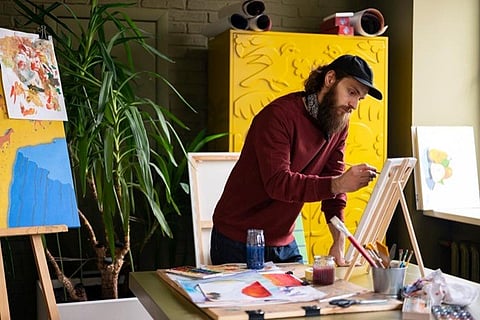
India's contemporary art scene is experiencing a remarkable renaissance, with a new generation of talented artists pushing boundaries and redefining what it means to be an Indian artist in the 21st century. These emerging Indian artists are not only preserving traditional techniques but also innovating with modern mediums, creating works that resonate both locally and globally. From the vibrant streets of Mumbai to the cultural heart of Delhi, these rising stars are making their mark on the international art world.
In this comprehensive guide, we explore the most exciting emerging Indian artists who are shaping the future of South Asian art. Whether you're an art collector, gallery owner, or simply an enthusiast, these are the names you need to know.
1. What Defines an Emerging Indian Artist?
2. The Rise of Contemporary Indian Art
3. 10 Emerging Indian Artists to Watch in 2025
4. Traditional Techniques Meet Modern Innovation
5. Where to Discover Emerging Indian Artists
6. Investing in Emerging Indian Art
An emerging artist is typically someone in the early to mid-stages of their career, usually within their first 5-15 years of professional practice. These artists are gaining recognition through exhibitions, awards, and critical acclaim, but haven't yet reached the established status of mid-career or blue-chip artists.
Emerging Indian artists often share several characteristics: they're typically under 40 years old, have formal art education from prestigious institutions like the National Institute of Design or Sir J.J. School of Art, and are beginning to exhibit in commercial galleries and art fairs. Their work is more accessible price-wise compared to established artists, making them attractive to new collectors.
What sets this generation apart is their unique ability to bridge tradition and innovation. Many emerging Indian artists draw inspiration from India's rich artistic heritage—from miniature painting traditions to tribal art forms—while incorporating contemporary themes, digital media, and global artistic movements.
The Indian art market has experienced exponential growth over the past decade, with contemporary Indian art attracting unprecedented international attention. Major auction houses like Christie's and Sotheby's have dedicated sales to South Asian modern and contemporary art, while international art fairs increasingly feature Indian artists.
The India Art Fair, now in its 16th edition, has become a crucial platform for emerging Indian artists to gain visibility. Held annually in New Delhi, the fair attracts collectors, curators, and gallery owners from around the world. It serves as a barometer for trends in contemporary Indian art and has launched the careers of numerous artists who are now recognized internationally.
Beyond India Art Fair, emerging Indian artists are making their presence felt at major international exhibitions including Art Basel, Frieze, and the Venice Biennale. This global exposure has helped establish Indian contemporary art as a significant force in the international art market.
Here are ten exceptional emerging Indian artists who are redefining contemporary art through their innovative practices, unique perspectives, and masterful techniques:
Sandeep Dhurve is breathing new life into Gond art, a traditional tribal art form from Madhya Pradesh. His intricate patterns and vibrant colors tell stories of nature, mythology, and contemporary life. Dhurve's work has been exhibited at the National Gallery of Modern Art and various international venues, making him one of the most sought-after emerging artists working in traditional mediums.
What makes Dhurve's work particularly compelling is his ability to adapt the centuries-old Gond technique to address modern themes. His pieces often explore environmental concerns and urbanization while maintaining the authentic aesthetic of tribal art. Collectors appreciate his work for both its cultural significance and contemporary relevance.
Sai Kiran is at the forefront of reviving Cheriyal, a narrative scroll painting tradition from Telangana. His large-scale works combine the traditional storytelling format with contemporary social commentary. Kiran's exhibitions at prominent galleries in Hyderabad and Bangalore have attracted attention from collectors interested in preserving India's endangered art forms while supporting innovative contemporary practice.
Gaurav Shakya works with Tarkashi, the intricate art of wire inlay, creating stunning three-dimensional pieces that blur the line between craft and fine art. His work has been featured at design weeks across India and has caught the attention of international collectors who appreciate the meticulous craftsmanship and modern aesthetic. Shakya represents a growing movement of artists who are elevating traditional Indian crafts to the realm of contemporary art.
Hasir Chitrakar draws from the Kalighat painting tradition of West Bengal, creating bold, expressive works that comment on contemporary Indian society. His simplified forms and striking use of color have made his work highly recognizable. Chitrakar has exhibited at the Kochi-Muziris Biennale and several commercial galleries in Kolkata and Delhi, establishing himself as a leading voice among emerging Indian artists working with traditional forms.
Ashok Kumar is revitalizing Tikuli art, a nearly forgotten miniature painting tradition from Bihar. Working on small surfaces with incredible detail, Kumar creates contemporary compositions using traditional techniques. His work has been acquired by prominent collectors and institutions, helping to preserve this rare art form while demonstrating its relevance to contemporary audiences.
Kamlesh Parmar's work defies easy categorization, combining painting, sculpture, and installation to create immersive experiences. His explorations of identity, migration, and belonging have resonated with audiences at art fairs across India and abroad. Parmar's multidisciplinary approach represents the experimental spirit of emerging Indian contemporary art.
Kritika Joshi brings a fresh perspective to Phad painting, a narrative scroll tradition from Rajasthan. Her large-scale works maintain the traditional format while introducing contemporary narratives and feminist themes. Joshi's exhibitions in Jaipur and Mumbai have established her as an important voice in the conversation about women artists and traditional practices.
Naveen Soni transforms Pichwai painting—traditionally devotional art depicting Lord Krishna—into contemporary statements. His works retain the lush, detailed quality of traditional Pichwai while incorporating modern symbolism and commentary. Soni's pieces have been featured at prestigious galleries and art fairs, appealing to collectors who appreciate both technical mastery and conceptual depth.
Ashutosh Verma represents the new generation of Indian artists seamlessly blending digital tools with traditional techniques. His works often start with hand-drawn elements inspired by miniature painting, which he then manipulates digitally to create layered, complex compositions. Verma's approach appeals to younger collectors and demonstrates how emerging Indian artists are embracing technology while honoring heritage.
Sumit Mehndiratta's large-scale abstract works have garnered attention at galleries across India and internationally. His gestural paintings explore themes of memory, place, and emotion through bold color and dynamic composition. Mehndiratta represents the globally-minded approach of many emerging Indian artists who draw from both Eastern and Western artistic traditions.
One of the most exciting aspects of the emerging Indian art scene is how artists are reimagining traditional techniques for contemporary contexts. This approach serves multiple purposes: it preserves endangered art forms, connects contemporary practice to India's rich cultural heritage, and creates work that feels both rooted and innovative.
Artists like Sandeep Dhurve, Sai Kiran, and Ashok Kumar are not simply recreating traditional art—they're actively preserving these techniques while making them relevant to contemporary audiences. By addressing modern themes and exhibiting in contemporary contexts, these artists ensure that traditional forms remain living, evolving practices rather than museum curiosities.
For collectors, curators, and art enthusiasts looking to discover emerging Indian artists, several key venues and platforms provide access to this vibrant community:
India Art Fair in New Delhi remains the premier venue for discovering emerging talent. The Kochi-Muziris Biennale, held every two years, showcases experimental and cutting-edge work. The Mumbai Gallery Weekend provides access to multiple galleries and artists in one concentrated period. These events offer opportunities to see work in person, meet artists, and connect with galleries representing them.
Digital platforms have democratized access to emerging Indian artists. Websites like Artsper, ArtZolo, and AstaGuru feature works by emerging artists with detailed information and often offer online viewing rooms. Social media platforms, particularly Instagram, have become crucial for artists to build followings and connect directly with collectors globally.
Leading commercial galleries in India—including those in Mumbai, Delhi, Bangalore, and Kolkata—regularly feature solo and group exhibitions of emerging artists. Building relationships with galleries helps collectors access new work and learn about upcoming talents before they gain wider recognition.
Collecting work by emerging Indian artists offers both aesthetic and investment opportunities. As the Indian art market continues to mature and gain international recognition, works by promising emerging artists have shown strong appreciation potential.
When considering work by emerging Indian artists, look for several key factors: consistent exhibition history, representation by reputable galleries, critical recognition through reviews and features, technical mastery, and a clear artistic vision. Artists who successfully bridge traditional and contemporary practices often have particular appeal and longevity.
The price point for emerging Indian artists typically ranges from a few thousand to several hundred thousand rupees, making their work accessible to new collectors while still representing significant investment potential. As these artists gain recognition and their careers develop, early collectors often see substantial appreciation in the value of their works.
The most successful collections are built thoughtfully over time. Attend exhibitions, talk to gallery owners and curators, engage with the artists' work through multiple viewings, and buy what genuinely resonates with you. While investment potential is important, the most rewarding collections are built on personal connection and aesthetic appreciation.
The emerging Indian artists of today are shaping the future of South Asian contemporary art. Their innovative approaches—combining traditional techniques with contemporary themes, embracing new technologies while honoring heritage, and engaging with both local and global contexts—position them as important voices in the international art world.
As India's economy continues to grow and cultural influence expands globally, these artists are perfectly positioned to gain wider recognition. For collectors, art enthusiasts, and institutions, now is an ideal time to engage with emerging Indian artists whose work will likely define the next chapter of contemporary art history.
Whether you're drawn to the intricate traditional techniques of artists like Sandeep Dhurve and Ashok Kumar, the innovative mixed-media approaches of Kamlesh Parmar and Ashutosh Verma, or the bold contemporary visions of Sumit Mehndiratta, the diversity and vitality of emerging Indian art offers something for every collector and enthusiast. The future of Indian contemporary art is bright, innovative, and deeply rooted in one of the world's richest artistic traditions.
Inspired by what you read?
Get more stories like this—plus exclusive guides and resident recommendations—delivered to your inbox. Subscribe to our exclusive newsletter
The products and experiences featured on RESIDENT™ are independently selected by our editorial team. We may receive compensation from retailers and partners when readers engage with or make purchases through certain links.