
- Locations
- Interviews
- Luxury Home
- Luxury Lifestyle
- Luxury Travel
- Luxury News
- Events
- More
- Magazine

Are you feeling cramped in your current home but love your location? You're not alone. Thousands of UK homeowners are discovering that extending their property offers a smarter, more cost-effective solution than the upheaval and expense of moving house.
In 2026, home extensions have evolved far beyond basic brick additions. Today's extensions blend innovative design, sustainable materials, and smart technology to create spaces that genuinely transform how you live. Whether you're dreaming of a light-filled kitchen diner, an extra bedroom for a growing family, or a dedicated home office, the right extension can add both valuable space and significant property value.
Before embarking on any major home improvement project, it's crucial to work with experienced professionals who understand both design excellence and local building requirements. For homeowners across the East Midlands, partnering with specialists in home extensions Nottingham ensures your project benefits from local expertise, knowledge of regional planning regulations, and proven track records of successful transformations.
This comprehensive guide explores the most popular and innovative home extension ideas for 2026, complete with cost insights, planning considerations, and design inspiration to help you make informed decisions about your project.
Before diving into specific extension ideas, it's worth understanding why extending has become such an attractive option for homeowners across the UK.
The average home extension can increase your property value by 15-20%, often exceeding the initial investment. When you factor in stamp duty, estate agent fees, removal costs, and the stress of moving, extending your current home makes compelling financial sense. A well-designed £50,000 extension could add £60,000-£70,000 to your property's market value.
Many homeowners underestimate the "dead money" involved in moving. Here is how the math stacks up for a typical 2026 property move in the East Midlands:
The Verdict: By extending, you avoid nearly £14,000 in sunk costs and actively build equity in your current property.
Extensions create the space you need for modern living. Whether it's accommodating multi-generational families, creating work-from-home spaces, or simply enjoying more comfortable living areas, extensions solve real-world problems. Many homeowners find that the additional space fundamentally changes how they use their entire home, not just the extended area.
The extension market in 2026 offers unprecedented opportunities. Advances in sustainable building materials, improved glazing technology, and streamlined planning processes make extensions more achievable than ever. Plus, with property prices remaining high across most of the UK, maximizing your existing property's potential is often the smartest investment.
Single-storey extensions remain the most popular choice for UK homeowners, offering the perfect balance of cost, complexity, and transformation potential.
The kitchen extension continues to dominate extension projects, and for good reason. Modern families spend most of their time in the kitchen, making it the natural focus for expansion.
A typical rear kitchen extension spans 15-25 square metres and costs between £25,000-£50,000 depending on specification. The magic happens when you combine cooking, dining, and living spaces into one cohesive area that connects seamlessly with your garden.
The key to a successful kitchen extension is maximizing natural light. Consider incorporating:
Bi-fold or sliding doors spanning the rear wall to blur indoor-outdoor boundaries
Roof lanterns or skylights flooding the space with overhead light
Side glazing if you're adding a wraparound element
Frameless glass corners for contemporary properties
2026 Pro-Tip: The 25% Rule Planning a wall of glass? Under 2026 Building Regulations, if your glazing exceeds 25% of the new floor area, you must provide SAP calculations to prove your home remains thermally efficient. Experienced Nottingham builders will handle this during the design phase to avoid planning rejections.
Modern kitchen extensions work particularly well with underfloor heating, which eliminates the need for radiators and maximizes wall space. Many homeowners are also incorporating sustainable features like heat recovery ventilation systems and solar-optimized glazing to future-proof their investment.
When planning a kitchen extension, think beyond just the footprint. Consider how the new space will integrate with your existing layout, how foot traffic will flow, and where storage will be positioned. The most successful kitchen extensions feel like they've always been part of the home rather than afterthoughts.
If you own a Victorian or Edwardian terraced house, you likely have a narrow side passage leading to your garden. These "side returns" typically measure just 1-2 metres wide but represent valuable square footage that's currently serving little purpose.
Side return extensions are particularly cost-effective, ranging from £20,000-£35,000, and often fall under permitted development rights, meaning you won't need planning permission. The transformation can be dramatic – that dark, narrow kitchen suddenly becomes a spacious, light-filled cooking and dining area.
The beauty of side return extensions lies in their efficiency. You're not just adding space; you're improving the flow and usability of your entire ground floor. Many homeowners combine side return extensions with internal reconfiguration, knocking through walls to create truly open-plan living.
Consider adding skylights or a glazed roof section to compensate for losing the side windows. Modern roof glazing technology means these spaces stay comfortable year-round, avoiding the old conservatory problem of being too hot in summer and too cold in winter.
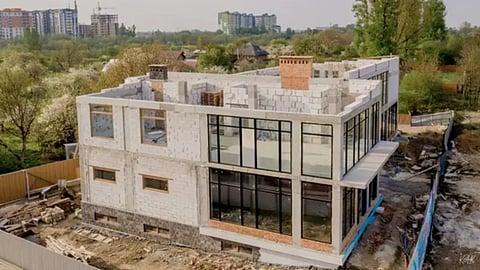
Project: 18 sq m side return + internal ground floor reconfiguration.
Timeline: 12 weeks from break-ground to finish.
Budget: £42,000 (Standard-Plus spec).
The Challenge: Limited headroom due to a poorly integrated 1980s rear addition and a narrow, dark "L-shaped" kitchen footprint.
The 2026 Solution: We installed a continuous structural glass side-return roof to bypass height restrictions while flooding the core with light. A single recessed structural steel beam allowed for a completely flush ceiling between the old dining room and new kitchen zone.
Result: A 20% increase in total ground floor area and a transformed, light-filled family hub that added an estimated £65,000 to the property value on a £42,000 investment.
“"We never imagined our dark Victorian kitchen could feel this spacious. The ceiling and the glass roof changed how we use our home every single day." —Sarah Taylor, The Park”
Designed and Built by Buon Construction
For homeowners wanting substantial transformation, wraparound extensions combine rear and side extensions in one project. These L-shaped additions typically add 25-40 square metres and cost £45,000-£80,000.
The investment creates genuinely expansive open-plan living. Imagine a space that accommodates a full kitchen, dining area seating 8-10 people, and a comfortable seating zone – all while maintaining distinct areas within the open plan.
Wraparound extensions work particularly well on corner plots or properties with generous side access. The design possibilities are extensive: you might incorporate different ceiling heights to define zones, use flooring changes to delineate areas, or install pocket doors to add flexibility.
When planning a wraparound, pay particular attention to how it affects your garden. The best designs maintain a strong indoor-outdoor connection through generous glazing and considerate landscaping that integrates the extension into your outdoor space.
Not every transformation requires a massive wraparound. In 2026, "Micro-Extensions" have become the go-to for homeowners looking to unlock their property’s potential on a budget of £15,000 – £25,000. These projects focus on surgical changes that fundamentally alter the home's flow.
Instead of a full-width extension, consider extending by just 1.5 to 2 metres. While this adds modest floor space, it allows you to move the kitchen cabinetry out of the main room, turning a cramped galley into a spacious kitchen-diner. By using a flat-roof design with a high-spec GRP (Glass Reinforced Plastic) finish, you achieve a sleek, modern parapet aesthetic for a fraction of the cost of a pitched roof.
The front of the house is often overlooked. Adding a substantial, high-quality glazed porch creates a "thermal airlock" (improving energy efficiency) and provides a dedicated boot room. This clears the hallway of clutter, making the entire ground floor feel larger and more organized the moment you walk in.
This is the most cost-effective secret of 2026. Rather than building a large new structure, you extend by a very small margin, perhaps just a 3m x 2m "bump out"—and use the budget saved on construction to knock down major internal load-bearing walls.
The Result: You gain the "Big House" feel and open-plan layout of a £60k project for roughly £30k.
If you don't have the budget for a full room, a deep-seated bay window extension can be a game-changer. By extending a window section by just 1 metre and installing floor-to-ceiling glazing, you create a dedicated "zone" for a home office or a reading nook without the need for extensive foundations or complex planning.
To manage costs, some homeowners opt for a phased approach, completing the structural build first and finishing interiors over time as budget allows.
If you need to add significant space and your budget allows, two-storey extensions offer excellent value for money on a per-square-metre basis.
The 2026 Math That Surprises Homeowners: Two-storey extensions are actually cheaper per square metre (£1,800–£3,200) than single-storey additions (£1,900–£3,300). This is because you are spreading the cost of the two most expensive elements—the foundations and the roof—across two floors instead of one.
These extensions make perfect sense for growing families needing both more living space and additional bedrooms. A typical configuration might include an extended kitchen-diner downstairs with a master bedroom and ensuite above, costing £60,000-£100,000.
The planning process for two-storey extensions requires more careful consideration. You'll need to think about:
Structural requirements including deeper foundations
Neighbour impact particularly regarding overshadowing and overlooking
Architectural harmony ensuring the extension complements your home's existing style
Future flexibility designing spaces that could adapt as your needs change
Most two-storey extensions require planning permission, so factor in the eight-week approval process plus design time. Whether you're adding extra bedrooms, creating a home office, or completely reconfiguring your living spaces, working with professionals who offer comprehensive home renovation services means you benefit from end-to-end project management, from initial design concepts through planning applications to final construction and finishing touches.
The key to successful two-storey extensions is creating a cohesive design that enhances rather than dominates your property. This means careful attention to:
Roofline integration – Your extension should work with your existing roof pitch rather than fight against it. Many successful designs echo the original roof angle or use complementary pitches that clearly read as intentional additions.
Material choices – You have two main approaches: match existing materials for a seamless look, or deliberately contrast with contemporary materials for an "old meets new" aesthetic. Both can work beautifully when executed well.
Window placement – Consider views both from inside and outside. Upstairs windows need careful positioning to avoid overlooking neighbours while maximizing light and outlook. Ground floor glazing should enhance the indoor-outdoor connection.
Ground floor impact – Remember that adding a second floor means your ground floor extension loses direct overhead light. Combat this with generous side glazing, high-quality roof lights, or clever internal glazing that borrows light from adjacent rooms.
Loft conversions offer a unique advantage: adding substantial space without increasing your property's footprint. This makes them ideal for properties with limited garden space or strict planning constraints.
Dormer conversions are the most popular option, adding a boxed extension that projects from the roof slope. Rear dormers often fall under permitted development, making them quicker to implement. Costs typically range from £35,000-£60,000 depending on size and specification.
Velux conversions represent the simplest and most cost-effective option at £25,000-£45,000. These conversions work within your existing roof space, adding windows but no structural changes to the roofline. They're perfect if you already have adequate headroom and want to create a bedroom or office space.
Hip-to-gable conversions suit semi-detached and detached properties with hipped roofs. By converting the sloping side wall to a vertical gable, you gain significant extra space. Expect to invest £45,000-£65,000.
Mansard conversions offer maximum space with near-vertical rear walls and a flat roof section. While they typically require planning permission and cost £50,000-£75,000, they create genuinely expansive loft spaces comparable to standard rooms.
Before committing to a loft conversion, verify you have adequate headroom (minimum 2.2 metres in the centre). Consider where the staircase will go – this often proves the biggest design challenge, potentially affecting existing bedroom layouts.
Building Regulations apply to all loft conversions, covering structural integrity, fire safety, insulation standards, and staircase design. Your conversion must include proper fire-resistant construction and escape routes, particularly important for conversions creating third-floor bedrooms.
The beauty of loft conversions lies in their versatility. Beyond bedrooms, consider creating:
Dual-purpose guest room/home offices
Luxurious master suites with ensuite bathrooms
Teenager retreats with study areas
Creative studios bathed in natural light
Quick Decision Guide: Which Loft Conversion?
Need a Master Suite? Go for a Dormer (Best space-to-cost ratio).
On a Tight Budget? Choose Velux-only (No structural roof changes).
Want the Ultimate Luxury? A Mansard creates a full-height "penthouse" feel.
This year brings exciting innovations in extension design, materials, and technology.
The connection between nature and wellbeing is driving extension design in 2026. Biophilic design goes beyond simply adding plants – it's about creating deep connections with the natural world through:
Internal courtyards bringing light and greenery into the heart of your extension
Living walls incorporating vertical gardens as design features
Natural materials like timber, stone, and clay that age beautifully
Maximum glazing creating visual connections to gardens and green spaces
Extensions incorporating biophilic principles report higher satisfaction rates and genuinely feel different to inhabit. The presence of natural light, living plants, and organic materials creates spaces that feel calm and restorative.
Interior courtyards and light wells have become increasingly popular in 2026 extensions, particularly for properties with deep floor plans or basement conversions. These glazed voids bring natural light into the heart of your home while creating a striking architectural feature. Whether you opt for a minimalist Japanese-inspired design, a living herb wall accessible from your kitchen, or a full glazed atrium, courtyards add both visual drama and practical daylighting benefits to larger extension projects.
While the early 2020s were about "knocking everything through," 2026 has seen a decisive shift toward flexible zoning. Homeowners are discovering that one vast open space can often feel noisy and impersonal.
"In 2026, we are seeing a clear move toward purposeful re-planning.” Homeowners want better zoning rather than one vast open space, so the house can shift between family life, focused work, and hosting without feeling cluttered."
To achieve this, consider incorporating:
Pocket Doors: Seamlessly hide walls when you want to open the space, or slide them shut for a cozy movie night.
Floor-Level Changes: Use two steps down into a seating area to define the zone without needing a physical wall.
The "Mindful Kitchen": Creating a secondary "scullery" or walk-in pantry to keep the main social kitchen clutter-free.
Sustainability has moved from nice-to-have to essential for 2026 extensions. "Central to this shift is the Future Homes Standard, which by 2026 has fundamentally changed how we heat our additions. New extensions are now designed to be 'zero-carbon ready,' prioritizing air-source heat pumps over traditional gas connections. This shift doesn't just lower your carbon footprint; it significantly increases the long-term resale value of your property as buyers prioritize energy independence."
Homeowners are increasingly specifying:
Advanced glazing technology – Triple glazing is becoming standard, with many specifying low-E coatings and argon gas fills for superior insulation. Some projects incorporate electrochromic "smart glass" that tints automatically in bright sunlight.
Sustainable materials – Reclaimed bricks, FSC-certified timber, recycled metal cladding, and innovative materials like cork and hempcrete are gaining popularity. While initially 10-15% more expensive, these materials offer long-term value through durability and energy efficiency.
Integrated renewable energy – Solar panels, ground or air source heat pumps, and rainwater harvesting systems are increasingly common. Many extensions achieve net-zero energy use, dramatically reducing running costs while future-proofing against rising energy prices.
Natural insulation – Materials like sheep's wool, wood fibre, and recycled paper insulation offer excellent performance while avoiding the environmental impact of traditional materials.
Modern extensions embrace flexibility. Pocket doors, sliding partitions, and thoughtful zoning create spaces that adapt throughout the day and evolve with changing family needs.
Consider designing kitchen-dining areas that transform into home offices, or living spaces that accommodate visiting elderly relatives. Built-in storage and fold-away furniture maximize usability without compromising aesthetics.
An extension in 2026 is only as good as its IQ. Integration is no longer about flashy gadgets; it’s about invisible efficiency.
Automated Climate & Light: Smart glass that tints based on UV intensity and HVAC systems that learn your family’s routine can save up to 40-60% on energy consumption.
Discreet Audio/Visual: Invisible in-wall speakers and voice-activated automated blinds (typically costing £800–£1,300 per window) are now standard in premium Nottingham renovations.
The #1 Regret of 2026 Renovators: "I wish I’d spent the extra £500 on acoustic insulation in the internal walls." Don't let your new, open-plan kitchen-diner echo into your home office. In 2026, sound-proofing is as important as heat-proofing.
Industry experts emphasize that the value of an extension today is measured by longevity and wellness.
"According to the 2026 RIBA Home Improvement Trends Report, 68% of extension projects now prioritize wellness features over pure aesthetics.”
This is reflected in the move away from "fast furnishing" toward bespoke joinery and materials like sweet chestnut cladding and patinated metals that age beautifully over decades, not years.
Understanding the regulatory landscape prevents costly delays and disappointments.
Many single-storey rear extensions fall under permitted development, meaning you don't need planning permission. Key limits include:
Maximum depth: 6 metres for detached houses, 3 metres for semi-detached and terraced
Maximum height: 4 metres overall, 3 metres at eaves
No balconies, verandas, or raised platforms
Extensions must not cover more than 50% of your total plot
Important exceptions apply in conservation areas, for listed buildings, and where Article 4 directions exist. Always check with your local planning authority before assuming permitted development applies.
2026 Pro-Tip: Even if your project falls under Permitted Development, always apply for a Lawful Development Certificate (LDC). In a faster-moving 2026 property market, having this official paperwork ready is vital for a smooth sale and provides absolute peace of mind regarding compliance.
You'll need planning permission for:
Extensions exceeding permitted development limits
Two-storey extensions
Front extensions
Side extensions on detached properties
Projects in conservation areas or on listed buildings
The planning application process typically takes eight weeks, though pre-application consultations can smooth the way. Experienced professionals can navigate these requirements efficiently, ensuring your application includes all necessary documentation and addresses potential concerns before they become obstacles.
Regardless of planning permission status, all extensions require Building Regulations approval covering:
Structural safety (Part A)
Fire safety (Part B)
Energy efficiency (Part L) – increasingly stringent in 2026
Ventilation (Part F)
Sound insulation (Part E)
Building Control inspects work at key stages and issues a completion certificate confirming compliance. This certificate is essential for future property sales.
Feasibility Study: Have an architect assess your site for "Right to Light" issues and structural constraints.
Pre-Application Advice: Spend the £200–£500 to talk to your local planning officer—it can save months of revisions.
The Application: Submit via the Planning Portal. Ensure your "Design and Access Statement" highlights your sustainability credentials.
The 8-Week Window: During this time, your neighbors are consulted. Proactive communication with them is your best defense against objections.
Decision & Conditions: Once granted, clear any "pre-commencement conditions" (like material samples) before digging.
Ignoring the "Bigger Picture": Don't plan an extension in isolation. Consider how the "old" house flows into the "new."
The Smallest Quote Trap: In 2026, material costs are volatile. A quote that is 20% lower than others often indicates a lack of understanding of the Future Homes Standard requirements.
Underestimating Disruption: Living on-site during a two-storey build can take a toll. Factor the cost of a temporary kitchen or rental into your contingency.
Realistic budgeting prevents disappointment and ensures your project delivers value.
Current UK costs (excluding London premiums):
Navigating the financial landscape in 2026 requires a strategic approach. Most Nottingham homeowners choose one of three paths:
Remortgaging: The most popular route, allowing you to release equity at competitive long-term rates to fund major works.
Home Improvement Loans: Ideal for smaller projects (under £25,000) like loft conversions or "Small Extension Ideas" that don't require restructuring your mortgage.
Equity Release: A growing trend for older homeowners looking to create multi-generational "annexe" spaces for families.
Successful projects allocate 10-15% contingency for unexpected expenses. Additional costs include:
Architect/designer fees (5-10% of build cost)
Structural engineer (£500-£2,000)
Planning application fees (£206 for householder applications)
Building Control fees (£800-£1,500)
Party wall agreements (£700-£1,500 per neighbour if required)
Utility connections and updates
Temporary kitchen or bathroom facilities
Professional project management (optional but valuable)
Remember that quality pays dividends. Cheaper materials or inexperienced contractors often lead to problems that cost far more to rectify than investing properly from the start.
Match your extension type to your property style and personal needs.
Victorian and Edwardian terraces suit side return extensions beautifully. These properties often have good loft conversion potential with existing headroom. Contemporary rear extensions create stunning contrasts against period features.
Semi-detached properties work well with rear extensions and two-storey additions. Consider party wall implications and ensure your design respects your neighbour's light and privacy.
Detached houses offer maximum flexibility. Wraparound extensions, substantial two-storey additions, and creative contemporary designs all work well.
Modern new builds often have limited permitted development rights due to estate restrictions. Check your deeds carefully and focus on quality over quantity – a smaller, beautifully executed extension often delivers more satisfaction than a large, compromised design.
Transforming a vision into a structural reality requires more than just a set of plans. In 2026, navigating the intersection of smart technology, sustainable materials, and local planning nuances is a complex task. For homeowners in the East Midlands, Buon Construction serves as the bridge between concept and completion. By specializing in high-end Nottingham extensions, they bring a localized precision to every project, ensuring that your 'dream space' isn't just beautiful, but built to the rigorous standards the modern market demands.
When it comes to bringing your extension vision to life, choosing the right construction partner makes all the difference. Buon Construction specializes in delivering exceptional home extensions, renovations, and building services across Nottingham and the surrounding areas. With a proven track record of transforming properties through expert craftsmanship, innovative design solutions, and meticulous attention to detail, Buon Construction ensures your extension project exceeds expectations from initial consultation through to final completion.
Before you break ground, ensure your project is set for success. Use this step-by-step guide to transition from "inspiration" to "implementation."
Define Your Primary Goal: Are you extending for property value, a dedicated home office, or multi-generational living? Clarity here dictates your design.
Check Your Ceiling Value: Research recently sold properties in your Nottingham postcode to ensure your investment aligns with the area’s "ceiling price."
Verify Your Headroom: For loft conversions, ensure you have a minimum of 2.2m from the floor joists to the ridge beam.
Consult the "Future Homes" Standard: Does your plan include a transition to low-carbon heating (like air-source heat pumps) to future-proof your home's resale value?
Order Your Lawful Development Certificate (LDC): Even for Permitted Development, this document is vital for a smooth house sale in the future.
Notify Your Neighbours: A quick informal chat before the official planning notice arrives can prevent 90% of project-stopping objections.
Secure Your Contingency: Ensure you have an "untouchable" 10–15% buffer in your budget for unexpected structural or utility discoveries.
Book a Site Survey: Professional eyes can spot "hidden" costs, like drainage issues or tree root protection—before they become expensive problems.
Whether you're planning a compact side return, an expansive wraparound, or a complete two-storey transformation, 2026 offers unprecedented opportunities for creative, sustainable, and valuable home extensions.
The combination of innovative materials, advanced building techniques, and evolved planning processes means your dream extension is more achievable than ever. From concept through completion, expert guidance ensures your project exceeds expectations while staying on budget and schedule.
Inspired by what you read?
Get more stories like this—plus exclusive guides and resident recommendations—delivered to your inbox. Subscribe to our exclusive newsletter
The products and experiences featured on RESIDENT™ are independently selected by our editorial team. We may receive compensation from retailers and partners when readers engage with or make purchases through certain links.