
- Locations
- Interviews
- Luxury Home
- Luxury Lifestyle
- Luxury Travel
- Luxury News
- Events
- More
- Magazine

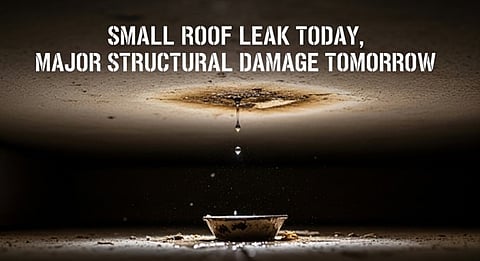
A tiny spill of rain through the ceiling might look harmless at first glance. Still, ignoring such a sign can trigger serious consequences: walls rot, beams weaken, and someone could get sick. What appears insignificant now may grow into something overwhelming if left unaddressed. The cost of waiting? Much higher than acting early. Damage hides in plain sight when moisture takes hold unnoticed. Fixing it soon prevents problems from escalating.
When a roof begins to leak, water can infiltrate the interior of your home, often in places where it’s not immediately visible. Over time, even the most minor amounts of moisture can have devastating effects on various parts of your home. Let’s take a closer look at the potential damage a roof leak can cause:
Found in countless household buildings, wood plays a key role. Still, the moment moisture reaches areas such as joists or posts, trouble begins. Damage spreads fast when fibers absorb excess fluid. Weakness grows quietly beneath the surface after leaks occur. Support systems may bend under hidden decay. Floors might sag, walls shift, all because dampness triggered decay.
Beyond rot, wet conditions can fuel the rapid growth of mold and mildew. These organisms thrive when air hangs heavy, creeping into corners where dryness returns. Once settled, they leap across surfaces, staining wood and paint, weakening fibers over time. Breathing them in may trigger coughs, itchy eyes, or persistent sniffles as the body reacts. So damage spreads quietly unless stopped early. Removing mold often involves tricky work plus significant expense. When problems run deep, replacing affected wood pieces may be necessary.
When water continues to infiltrate your home’s framework, it can weaken the overall structure. As noted, wood rot is a significant concern, but other building materials, such as steel and concrete, can also degrade over time when exposed to moisture. If water continues to pool in areas like the attic or between walls, it can compromise the stability of load-bearing beams and support columns.
This is why experienced professionals like E&E contracting emphasize early detection and preventative maintenance. Addressing minor roof damage before it spreads into structural components can mean the difference between a straightforward repair and a major reconstruction project.
In extreme cases, neglected roof leaks can lead to a collapse of parts of your home’s structure. The costs associated with such catastrophic damage can be astronomical, and in some instances, rebuilding portions of your home may be necessary.
Many houses rely on attic insulation to keep temperatures steady and reduce energy waste. If water spills into the attic, maybe thanks to a damaged roof, it may soak the material thoroughly. Once damp, the insulation stops protecting indoor conditions. As a result, heating and cooling units are now more strained than before. That extra effort shows up as steeper utility payments.
In addition to reducing heat output, damp materials invite mold growth. When insulation fails, it can’t be repaired; it gets discarded. That replacement costs a lot and could sneak onto your bill unexpectedly.
A drip on the ceiling might be the only hint, something small, a dot where water marks the plaster. From that place, trouble may creep: edges of wall decals lift, corners of room coatings pucker, sheets behind walls swell and bend. Liquid moves fast once inside, slipping past paint jobs, seeping beyond what looks sturdy. It permeates, filtering through stacked materials without pause.
When water soaks in, force meets softness, drywall swells, and plaster cracks. Over time, those spots up on the ceiling or along the walls could finally have to come out, replaced without doubt. Should heavy leaks weaken woodwork beneath floors or walls, repairs become more difficult, more expensive, and slower by the day.
When water meets electricity, risk grows fast. A wet roof can drive moisture toward live wires or plugs, causing unpredictable surges or fires. If trouble hits spots like overhead lights, spinning ceiling units, or switches over damp patches, danger increases.
See water by outlets? Turn everything off right away. Getting help quickly matters because small issues might spark something much bigger and more dangerous.
You might think that putting off a roof repair is no big deal after all, a few drops of water don’t seem like they’d do much harm. However, addressing the issue promptly can save you time, money, and frustration in the long run. Here are several reasons why prompt roof repairs are essential:
The most important reason to repair a roof leak immediately is to prevent further damage. What starts as a small leak can quickly escalate in size and severity, leading to issues such as wood rot, mold growth, and weakened structural integrity. The longer you wait, the more expensive and extensive the repairs will be. In some cases, what might have been a quick and inexpensive fix can turn into a full-scale restoration project.
A home that remains in good condition retains its value longer. However, roof issues could quickly reduce the property's value. When putting a house on the market, buyers often step back from properties with leaks or cracked walls. A history of water leaks might signal ongoing repair needs, which could reduce the property's sale price.
When issues arise on the roof, fixing them early helps keep your house strong and secure. Lasting value is possible if repairs happen before damage spreads.
When water damages a place, it touches more than walls; it reaches into daily life, too. Inside wet areas, things begin to shift quietly; mold starts creeping under excess moisture. Breathing in these spores over time may trigger respiratory issues, with symptoms worsening if someone already struggles with breathing or allergy reactions.
Near wires, dripping water doesn’t just stain walls, it raises alarms. When electrical systems fail, flames may follow, leaving homes dark and vulnerable. Fixing cracks high up is critical because delays invite disaster below. What appears to be minor damage often conceals larger risks waiting to ignite.
The sooner you spot a roof leak, the easier and less costly it will be to fix. Here are some common signs that you might have a roof leak:
Water stains or discoloration on ceilings or walls: These are often the first visible signs of a leak. Water can travel down walls before it becomes noticeable on the ceiling.
Dampness or mold in the attic: If your attic is damp or has a musty smell, it's a strong indicator that water is leaking through your roof.
Peeling or bubbling paint: If the paint on your walls or ceiling starts to peel or bubble, it’s likely due to water infiltration.
Missing or damaged shingles: A close inspection of your roof may reveal cracked, curled, or missing shingles. These vulnerabilities can allow water to penetrate your home.
If you notice any of these signs, it’s crucial to call a roofing professional for a thorough inspection. The sooner a problem is identified, the sooner it can be fixed.
A minor roof leak now could cause serious harm later. Rotting beams, hidden mold, and even live wires are problems that grow when ignored. Fixing it fast blocks larger expenses, protects what's yours, and ensures those under the eaves stay out of harm's way.
When in doubt about a leak or needing assistance fixing one, contact an experienced roofer. Catching issues early is most important; it prevents minor problems from escalating into serious ones.
Inspired by what you read?
Get more stories like this—plus exclusive guides and resident recommendations—delivered to your inbox. Subscribe to our exclusive newsletter
The products and experiences featured on RESIDENT™ are independently selected by our editorial team. We may receive compensation from retailers and partners when readers engage with or make purchases through certain links.