
- Locations
- Interviews
- Luxury Home
- Luxury Lifestyle
- Luxury Travel
- Luxury News
- Events
- More
- Magazine

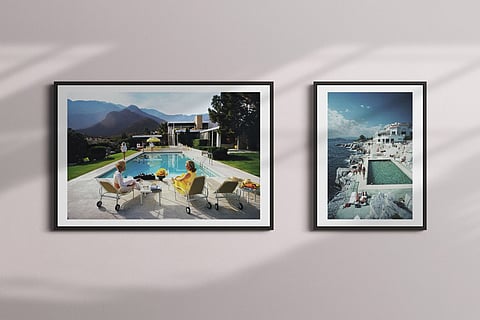
Slim Aarons didn't just take photographs—he documented an era. His images of poolside leisure, alpine retreats, and sun-drenched terraces captured the unguarded elegance of mid-century high society. Today, his work has found new relevance in corporate environments, where businesses are increasingly turning to art as a tool for shaping culture and identity. Slim Aarons framed prints offer more than visual appeal; they communicate values of sophistication, aspiration, and timeless style.
Aarons built his career on a simple philosophy: photograph "attractive people doing attractive things in attractive places." The result was a body of work that feels both aspirational and intimate. His subjects—socialites, artists, and aristocrats—appear relaxed, caught in moments of genuine leisure rather than posed formality. This quality has made his photography remarkably durable. Decades after the images were taken, they still resonate with audiences who appreciate their blend of glamour and authenticity.
Aarons' compositions share that same restraint and clarity. His photographs don't shout; they invite you in. For businesses looking to create environments that feel both polished and approachable, that balance is invaluable.
The commercial market for his work has grown accordingly. Collectors and interior designers have long prized vintage Slim Aarons prints, but the broader appeal has expanded to include corporate buyers. Companies are discovering that these images can anchor a space, providing a visual narrative that speaks to ambition, taste, and a certain worldliness. Whether displayed in a boardroom or a client-facing lobby, they signal that the business values quality and understands the power of presentation.
Choosing the right Slim Aarons print requires more than aesthetic preference. The image should reflect the character of your business and the atmosphere you want to cultivate. Consider the following:
Subject Matter: Aarons photographed everything from poolside gatherings in Palm Springs to ski chalets in St. Moritz. A tech startup might gravitate toward images of California modernism, while a financial firm might prefer the formality of European estates.
Color and Composition: His work spans a range of palettes, from sun-bleached pastels to rich, saturated tones. Select prints that complement your existing design scheme without overwhelming it.
Scale and Placement: Large-format prints make bold statements in open spaces, while smaller works can create intimacy in conference rooms or private offices.
Framing: The frame should enhance, not compete with, the photograph. Simple, high-quality frames in neutral tones typically work best, allowing the image itself to command attention.
Retailers offering Slim Aarons prints with professional framing suited for commercial spaces include Leisure Piece, Getty Images Gallery, and options at 1stDibs. Confirming whether prints are available in commercial-grade sizes and with UV-protective glazing—essential for high-traffic office environments—ensures selections meet both aesthetic and durability requirements.
Where you hang a Slim Aarons print matters as much as which one you choose. Different spaces serve different functions, and the art should support those purposes:
Reception Areas: First impressions are formed quickly. A well-chosen print in the lobby communicates confidence and sophistication before a word is spoken. Images of leisure and luxury can subtly convey success and stability.
Boardrooms: High-stakes conversations benefit from environments that feel both serious and inspiring. Aarons' photographs of elegant gatherings or serene landscapes can provide visual relief without distraction.
Private Offices: For executives and senior staff, personal taste plays a larger role. Smaller prints or more intimate scenes can create a sense of individuality while maintaining professional polish.
Collaborative Spaces: In areas designed for creativity and teamwork, vibrant images of social gatherings or outdoor scenes can energize the atmosphere and encourage open thinking.
The key is intentionality. Art should feel integrated into the space, not applied as an afterthought. When done well, it becomes part of the environment's identity.
Beyond their decorative value, vintage Slim Aarons prints represent a tangible asset class. Aarons' work has benefited from this trend, particularly as mid-century aesthetics have gained cultural prominence.
Several factors contribute to the investment potential of these prints:
Limited Supply: Vintage prints from Aarons' lifetime are finite. As demand increases, scarcity drives value.
Cultural Relevance: The ongoing fascination with mid-century design and lifestyle ensures continued interest in his work.
Provenance and Condition: Well-documented prints in excellent condition appreciate more reliably than those with unclear histories or visible damage.
Market Liquidity: Aarons' work is widely recognised, making it easier to sell compared to more obscure photographers.
For businesses, this means that art purchases can serve dual purposes: enhancing the physical environment while potentially appreciating in value. It's a form of capital allocation that offers both immediate and long-term returns.
Proper framing isn't just about aesthetics—it's about preservation. Photographs are vulnerable to light, humidity, and environmental contaminants. Professional framing addresses these risks while presenting the work to its best advantage.
Key considerations include:
UV-Protective Glazing: Museum-quality glass or acrylic blocks harmful ultraviolet light, which can fade pigments over time.
Acid-Free Materials: Mats and backing boards should be archival quality to prevent chemical degradation.
Proper Spacing: The print should not touch the glazing directly, as contact can cause damage or sticking.
Climate Control: Avoid hanging prints in areas with extreme temperature fluctuations or high humidity.
Investing in quality framing protects both the aesthetic and financial value of the work.
The decision to incorporate fine art into corporate spaces reflects broader shifts in how companies think about their physical environments. Workplaces are no longer purely functional; they're expressions of brand identity and culture. Art plays a role in that expression, signalling values and aspirations to employees, clients, and partners.
Slim Aarons prints, in particular, offer a specific set of associations: leisure, success, refinement, and a certain effortless confidence. These aren't trivial qualities. In competitive industries where perception matters, the details of your environment contribute to how your business is understood and remembered.
There's also a human element. Thoughtfully chosen art makes spaces more pleasant to inhabit. It gives people something to look at, something to talk about, something that breaks the monotony of screens and spreadsheets. In an era when companies are working hard to bring employees back to offices, creating environments that feel considered and inspiring isn't a luxury—it's strategic.
For businesses ready to explore this approach, the work of Slim Aarons offers a proven starting point. His photographs have stood the test of time, and their appeal shows no signs of fading. Whether you're outfitting a new office or refreshing an existing space, these images bring a level of sophistication that few other art forms can match.
Inspired by what you read?
Get more stories like this—plus exclusive guides and resident recommendations—delivered to your inbox. Subscribe to our exclusive newsletter
The products and experiences featured on RESIDENT™ are independently selected by our editorial team. We may receive compensation from retailers and partners when readers engage with or make purchases through certain links.