
- Locations
- Interviews
- Luxury Home
- Luxury Lifestyle
- Luxury Travel
- Luxury News
- Events
- More
- Magazine
- Contact Us

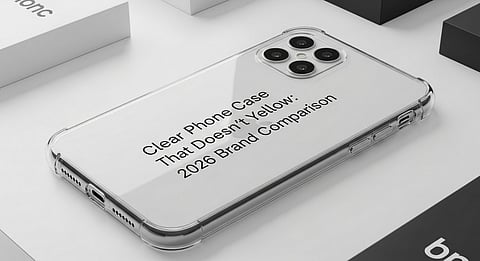
Transparent cases look great—until they don’t. Discoloration is one of the most common frustrations with clear designs, often showing up around the edges first. Heat, sunlight, and constant contact with your hands gradually change how some plastics age.
If you’re looking for a clear phone case that doesn’t yellow, the real difference comes down to material formulation and construction. Below, we compare leading brands based on clarity retention, structure, and real-world wear.
Best For: Users who want a clear case that stays transparent for longer, while remaining slim and practical.
Casely builds its clear phone cases that don’t yellow using material blends designed to slow visible discoloration from UV exposure and everyday handling. Rather than relying on overly soft plastic, the construction balances flexibility with structure, helping the case maintain both clarity and shape over time.
The design remains streamlined, making it easy to carry without feeling bulky. Clear options are available in MagSafe-compatible designs, allowing accessories and charging to connect cleanly. For users who prefer switching cases seasonally, Casely Club offers a rotation option instead of relying on one case indefinitely.
Clear material aimed at reducing yellowing
Structured yet lightweight profile
MagSafe-compatible transparent options
Reinforced edges for everyday drop points
Optional subscription through Casely Club
Holds transparency longer than standard soft TPU
Comfortable for daily use
Balanced everyday protection
Not intended for heavy-duty environments
Best For: Users who want added corner reinforcement in a transparent case.
Zagg’s clear cases often use rigid back panels paired with shock-absorbing frames. This structure helps maintain shape and reduce flexing, which can influence long-term appearance.
The design approach favors functional protection, with visible reinforcement at impact zones. Transparency remains the focus, but structure plays a larger role than minimalism.
Reinforced corner architecture
Clear polycarbonate back panel
Impact-dispersing frame
Raised perimeter edges
Noticeable structural stability
Maintains shape well over time
Good drop performance for daily use
Slightly thicker than minimalist cases
Limited stylistic variation
Best For: Users who want a recognizable brand with structured clarity.
Speck integrates firmer materials into its transparent designs, often pairing rigid shells with protective bumpers. This layered build reduces excessive flex and can help slow visual aging compared to softer clear cases.
Many Speck models include antimicrobial treatments and raised edges for screen protection, emphasizing durability alongside transparency.
Dual-material construction
Clear back with reinforced perimeter
Antimicrobial coating on select lines
Elevated bezels for display protection
Solid, structured feel
Reliable brand consistency
Good everyday impact resistance
Adds more thickness than ultra-slim options
Limited decorative appeal
Best For: Users looking for a budget-friendly transparent option.
JETech produces simple clear cases using flexible plastic materials. The appeal lies in affordability and ease of replacement rather than long-term clarity retention.
These cases provide light coverage against scratches and minor drops, but softer materials may show discoloration sooner under heavy exposure.
Flexible transparent shell
Lightweight snap-on design
Scratch-resistant coating
Minimal branding
Cost-effective
Slim, unobtrusive profile
Easy to swap out
Greater risk of yellowing over time
Limited structural reinforcement
Best For: Users who prioritize durability in a transparent design.
OtterBox clear cases focus on protective layering. The structure is more substantial than most slim options, emphasizing impact resistance over minimal footprint.
While transparency is maintained initially, the added thickness changes how the phone feels in-hand. This brand suits users who want a rugged approach within a clear format.
Multi-layer protective build
Reinforced edges and corners
Raised lip for screen protection
Drop-focused construction
Strong impact resistance
Durable structural integrity
Widely available
Bulkier profile
Less subtle in daily carry
Plastic Composition: Cases made from polycarbonate or blended materials tend to discolor more slowly than soft TPU-only shells.
UV Exposure Resistance: If you spend time outdoors, choose materials designed to limit oxidation from sunlight.
Oil Absorption: Higher-quality finishes help reduce staining from constant hand contact.
Structural Integrity: A case that maintains its shape over time is less likely to look warped or uneven.
MagSafe Integration: If you rely on magnetic charging, ensure the case supports alignment without adding excess thickness. Casely incorporates MagSafe into slim transparent styles without altering the profile significantly.
Most transparent plastics change slightly over time, especially with heavy sun and skin exposure. However, higher-grade materials and UV-resistant blends slow the process significantly compared to basic TPU designs.
Rigid materials like polycarbonate typically resist discoloration better than softer plastics. Many brands combine rigid backs with flexible edges to balance durability and impact absorption.
Limit sun exposure when possible, clean the case regularly, and avoid prolonged heat. Choosing a case designed with UV-resistant materials from the start offers the most reliable long-term results.
Not all clear cases age the same. The difference often lies in the type of plastic used and how it handles UV exposure and everyday oils.
Casely offers a balanced approach—prioritizing anti-yellowing while maintaining a slim, usable design. Brands like Zagg and Speck lean toward structural reinforcement, while budget options may require earlier replacement. Choosing wisely upfront can make transparency last much longer.
Inspired by what you read?
Get more stories like this—plus exclusive guides and resident recommendations—delivered to your inbox. Subscribe to our exclusive newsletter
The products and experiences featured on RESIDENT™ are independently selected by our editorial team. We may receive compensation from retailers and partners when readers engage with or make purchases through certain links.