
- Locations
- Interviews
- Luxury Home
- Luxury Lifestyle
- Luxury Travel
- Luxury News
- Events
- More
- Magazine

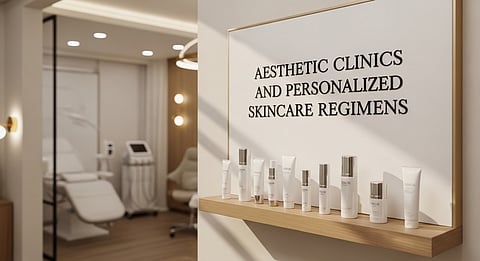
Just as your body requires unique nutritional needs, your skin demands a customized approach to achieve optimal health and appearance. Modern aesthetic clinics in Kuala Lumpur now offer advanced diagnostic tools and professional expertise to analyze your specific skin type, concerns, and goals. Through comprehensive assessments and cutting-edge treatments, these specialists create tailored regimens that address your individual challenges, from aging signs to acne and pigmentation issues.
Aesthetic clinics have transformed from basic treatment centres into sophisticated medical facilities that combine advanced technology with personalized care. Your access to cutting-edge diagnostic equipment and specialized dermatologists has revolutionized how skin concerns are addressed. Modern clinics now offer comprehensive assessments that analyze everything from cellular health to environmental damage patterns.
Professional diagnostic equipment enables clinicians to examine your skin beyond surface-level observations. Digital imaging systems capture detailed photographs under various light spectrums, revealing hidden pigmentation and vascular concerns. Skin analyzers measure hydration levels, elasticity, and sebum production with precision.
Wood's lamp examinations detect fungal infections and pigmentation disorders
Sebum meters identify oil production patterns across different facial zones
Elasticity measurements track collagen integrity and aging progression
Assume that comprehensive diagnostics require multiple assessment tools for accurate analysis
Generic skincare products follow a one-size-fits-all approach that rarely addresses your unique dermatological needs. Bespoke formulations incorporate diagnostic data to target specific concerns like barrier dysfunction or microbiome imbalances. Your personalized regimen adapts as your skin responds to treatment protocols.
Customized skincare represents a paradigm shift in how you approach daily maintenance and corrective treatments. Clinicians now formulate products based on your genetic predispositions, lifestyle factors, and environmental exposures rather than marketing demographics. Your personalized regimen might include prescription-strength actives at concentrations tailored to your tolerance levels and therapeutic goals. Active ingredients are selected based on compatibility testing, ensuring optimal absorption and minimal irritation. This individualized approach produces measurable improvements faster than conventional products because every component serves a documented purpose in your treatment plan.
Your aesthetic clinic visit provides the foundation for creating a customized routine that addresses your specific skin concerns. Professional analysis identifies your skin type, concerns, and goals, allowing practitioners to recommend active ingredients and product formulations tailored to your needs. This personalized approach ensures maximum effectiveness while minimizing potential irritation or adverse reactions.
Consistency in application order maximizes product absorption and effectiveness. Your morning routine protects skin from environmental stressors, while evening protocols focus on repair and regeneration during sleep.
Professional treatments deliver intensive results that require proper at-home maintenance to extend their benefits. Your clinician will adjust your daily regimen around scheduled procedures, modifying product use before and after treatments to optimize healing and results.
Timing your home care products correctly enhances clinical treatment outcomes and prevents complications. You should pause active ingredients like retinoids and acids several days before procedures such as chemical peels or laser treatments. Post-treatment protocols typically emphasize gentle, hydrating products that support skin barrier recovery. Your practitioner may introduce medical-grade formulations that complement in-office procedures, creating synergy between professional interventions and daily maintenance. This coordinated approach accelerates visible improvements while protecting your skin's health throughout the transformation process.
Your skincare treatment outcomes depend on multiple interconnected variables that aesthetic clinics must evaluate systematically. Success rates vary based on individual physiology, environmental exposure, and adherence protocols. Professional assessment identifies these key elements:
Skin type classification and barrier function
Current product interactions and sensitivities
Medical history and hormonal influences
Treatment frequency and consistency patterns
Any comprehensive evaluation requires examining both intrinsic and extrinsic factors affecting your skin.
Your genetic blueprint determines how your skin responds to specific treatments and active ingredients. Clinicians analyze melanin distribution, collagen density, and sebum production patterns to customize protocols. DNA testing reveals predispositions to conditions like hyperpigmentation or accelerated aging. After comprehensive biotype analysis, practitioners can predict treatment responses accurately.
External factors continuously modify your skin's condition and treatment receptivity. Pollution exposure, UV radiation, humidity levels, and climate variations all alter cellular behavior. Your daily habits-including sleep quality, nutrition, stress management, and exercise-directly influence treatment outcomes and recovery times.
Clinicians must account for your geographical location and seasonal changes when designing regimens. Urban environments with high pollution require enhanced antioxidant protection and barrier repair protocols. Sleep deprivation impairs cellular regeneration, reducing the effectiveness of restorative treatments. Dietary choices affect inflammation levels and collagen synthesis rates. Stress hormones trigger sebum overproduction and compromise immune function. Your hydration status determines ingredient penetration depth and cellular plumpness. Alcohol consumption and smoking accelerate oxidative damage, requiring more aggressive intervention strategies. Exercise patterns influence circulation and lymphatic drainage, affecting product absorption and toxin elimination rates.
Clinical grade products available through aesthetic clinics undergo rigorous testing and contain higher concentrations of active ingredients than over-the-counter alternatives. Your provider can assess your skin's tolerance levels and recommend formulations that deliver measurable results. These professional-strength products work synergistically with in-office treatments to maximize outcomes.
Understanding the differences between physician-dispensed and retail skincare helps you make informed decisions about your investment in skin health. Each option offers distinct advantages and limitations that affect results, safety, and cost considerations.
Professional skincare products contain active ingredients at therapeutic concentrations that require proper assessment before use. Your clinician evaluates your skin's barrier function, sensitivity, and specific concerns to determine appropriate strength levels for optimal safety and effectiveness.
Active ingredients like retinoids, hydroquinone, and chemical exfoliants perform differently at various concentrations, with higher percentages delivering faster results but increased risk of irritation. Your aesthetic provider monitors your skin's response during initial applications and adjusts concentrations based on tolerance levels. This personalized approach prevents adverse reactions while achieving desired improvements in texture, tone, and clarity. Professional formulations also combine multiple actives in synergistic ratios that enhance penetration and stability, something retail products cannot replicate due to regulatory restrictions and shelf-life requirements.
Your aesthetic clinic treatments require proper follow-through to maintain their benefits over time. Professional procedures deliver optimal results when paired with daily skincare habits that support cellular regeneration and barrier function. You should establish a routine that includes:
Daily SPF application regardless of weather conditions
Hydration-focused products that match your skin type
Regular follow-up appointments as recommended by your practitioner
Gentle cleansing techniques that preserve your skin's natural balance
This approach ensures your investment continues delivering visible improvements.
Consistency determines how long your aesthetic treatments remain effective and noticeable. You'll see sustained improvements when you apply prescribed serums at the same time daily and attend scheduled touch-up sessions. Your skin responds best to predictable care patterns that reinforce the cellular changes initiated at your clinic. This disciplined approach maximizes every treatment's lifespan.
Weather changes demand modifications to your personalized skincare protocol throughout the year. Winter months require heavier moisturizers and protective barriers, while summer calls for lighter formulations with increased antioxidant protection. Your practitioner can recommend seasonal product swaps that maintain treatment results. This flexibility prevents environmental stress from undermining your aesthetic progress.
Temperature fluctuations and humidity variations affect how your skin absorbs products and retains moisture after professional treatments. You might notice increased sensitivity during seasonal transitions, which signals the need for adjusted concentrations or alternative ingredients. Cold weather strips natural oils from your skin's surface, making post-treatment care more demanding and requiring richer formulations. Heat and sun exposure accelerate the breakdown of certain active ingredients, particularly retinoids and vitamin C derivatives. Your clinic can provide seasonal protocols that address these environmental factors while preserving the integrity of your treatment outcomes. Proactive adjustments prevent setbacks and keep your skin functioning at its healthiest capacity year-round.
Aesthetic clinics now offer sophisticated treatments that go beyond traditional skincare approaches. You can access cutting-edge technologies designed to address specific concerns with precision and efficacy. Professional interventions complement your daily regimen by targeting deeper skin layers and stimulating cellular renewal processes that topical products alone cannot achieve.
Laser and light-based therapies
Radiofrequency skin tightening
Microneedling with growth factors
Chemical peels and resurfacing
Injectable treatments for volume restoration
Your options for non-invasive treatments continue expanding with technological advances. Procedures range from fractional lasers that create controlled micro-injuries to ultrasound devices that lift and tighten without surgery. These modalities work by triggering your body's natural healing response, producing gradual improvements over time with minimal downtime.
IPL photofacials for sun damage reversal
Fractional CO2 lasers for deep resurfacing
Microcurrent therapy for facial toning
Cryotherapy for inflammation reduction
LED light therapy for acne and healing
This comprehensive approach allows you to select treatments based on your specific skin goals and tolerance levels.
Clinical procedures amplify the effectiveness of your at-home skincare routine when properly coordinated. You achieve optimal results by preparing your skin with appropriate topicals before treatments and supporting recovery afterward with targeted formulations. This integrated approach maximizes investment in both professional services and daily products.
Your dermatologist or aesthetician can customize a protocol that combines office-based interventions with prescription-strength or medical-grade products. Pre-treatment conditioning with retinoids or acids primes your skin for better procedure outcomes, while post-treatment serums containing growth factors and antioxidants accelerate healing and prolong results. The relationship between what happens in the clinic and what you apply at home creates a multiplier effect that surpasses either approach alone. Strategic timing of treatments with product application cycles ensures you're building on previous improvements rather than working against your skin's recovery processes.
Conclusively, aesthetic clinics offer you scientifically-backed personalized skincare regimens that address your unique skin concerns through professional assessment and advanced treatments. Your skin's specific needs require expert analysis of factors like texture, tone, sensitivity, and aging patterns. Professional clinicians create customized protocols combining medical-grade products, targeted procedures, and ongoing monitoring to optimize your results. You gain access to cutting-edge technologies and formulations unavailable in standard retail settings, ensuring your skincare journey delivers measurable, lasting improvements.
Drugstore products follow a one-size-fits-all approach designed for mass market appeal, while aesthetic clinics create customized treatment plans based on your specific skin type, concerns, and goals. A professional skincare specialist conducts thorough skin analysis using advanced diagnostic tools to identify issues like hyperpigmentation, acne scarring, or premature aging that may not be visible to the naked eye. The clinic then formulates a regimen with medical-grade products containing higher concentrations of active ingredients than over-the-counter alternatives. These prescription-strength formulations penetrate deeper into skin layers and deliver faster, more dramatic results. Your personalized plan evolves over time as your skin responds to treatment, with regular follow-up appointments ensuring optimal outcomes. This individualized approach addresses your unique concerns rather than providing generic solutions that may not work for your particular skin chemistry.
Most patients notice initial improvements within 4-6 weeks of starting their customized skincare program, though complete transformation typically requires 3-6 months of consistent use. The timeline varies depending on your specific concerns and treatment goals. Surface-level issues like dullness or mild dehydration may improve within the first month, while deeper concerns such as melasma, acne scars, or fine lines require longer treatment periods. Your skin undergoes a complete cellular turnover cycle approximately every 28 days, meaning visible changes become more apparent with each passing month. Aesthetic clinics often combine topical regimens with in-office treatments like chemical peels or microneedling to accelerate results. Patience is important since aggressive rushing can damage your skin barrier and cause irritation. Most clinics schedule progress evaluations every 6-8 weeks to assess improvements, adjust product concentrations, and modify your treatment plan based on how your skin responds.
The investment in clinic-prescribed skincare typically ranges from $200-$600 for a complete regimen that lasts 3-4 months, which translates to better value than purchasing multiple ineffective drugstore products through trial and error. Medical-grade formulations contain active ingredients at therapeutic concentrations proven to create measurable changes in skin structure and appearance. You receive professional guidance from licensed aestheticians or dermatologists who monitor your progress and prevent common mistakes like over-exfoliation or incompatible product combinations. This expert supervision minimizes wasted money on products that don't work for your skin type or may even cause adverse reactions. Many patients find they actually spend less over time since targeted treatments eliminate the need for multiple corrective products. The long-term benefits include prevention of premature aging, reduced need for invasive procedures later, and improved skin health that maintains results with proper maintenance. Consider this an investment in your skin's future rather than a temporary cosmetic expense.
Inspired by what you read?
Get more stories like this—plus exclusive guides and resident recommendations—delivered to your inbox. Subscribe to our exclusive newsletter
The products and experiences featured on RESIDENT™ are independently selected by our editorial team. We may receive compensation from retailers and partners when readers engage with or make purchases through certain links.