
- Locations
- Interviews
- Luxury Home
- Luxury Lifestyle
- Luxury Travel
- Luxury News
- Events
- More
- Magazine

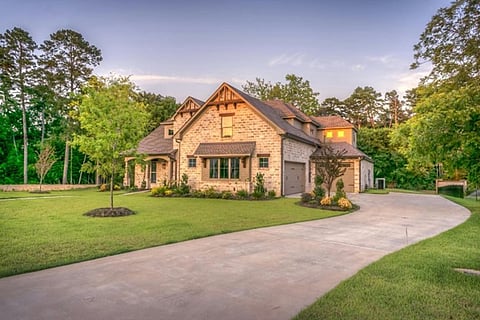
Luxury buyers are rarely just chasing square footage anymore; they are chasing a feeling. 77% of consumers underutilize their outdoor living space, with only 23% using it as much as they want to. This gap highlights a missed opportunity to create a cohesive sanctuary that feels curated and high-end.
From Manhattan penthouses to Palm Springs bungalows, the message is clear. The most coveted homes tell one cohesive story, starting at the foyer and ending at the firepit.
Bringing that effortless polish to a personal space does not require a complete teardown. Below are four insider secrets designers rely on to create an instantly expensive look through curation and strategic investment.
Nothing drags down a luxury room faster than a forgettable dining set. Seasoned designers begin every project by earmarking a significant portion of the budget for a hero piece that doubles as art and furniture. This anchor item dictates the quality of the room and elevates simpler surrounding elements.
To achieve this effect, designers often look for craftsmanship that combines history with modern utility, such as the vintage-style industrial dining tables from Knox Deco. These pieces feature reclaimed hardwood surfaces perched atop sculptural cast-iron bases. They offer a weight and permanence that mass-produced furniture lacks.
Features like mechanical hand-crank mechanisms allow homeowners to glide from intimate brunch height to cocktail-party chic in seconds. When a room centers on a piece with this level of character, it creates an immediate focal point.
Pro Tip: Center your design budget on one "hero" item. When a room features a substantial anchor piece like an industrial table, it elevates simpler surrounding elements, making slip-covered chairs look like custom choices rather than compromises.
Luxury is not always about buying the priciest piece available; it is about curating contrast. Layering tactile materials, velvet against matte plaster walls, creates the depth subconsciously associated with boutique hotels. A textured room feels collected and expensive, while a flat room feels cheap regardless of the cost.
Achieving this look requires adherence to three principles. First, go big on art; one 60-inch canvas often looks richer and more intentional than a dozen scattered frames. Second, embrace metallic moments by swapping basic hardware for aged bronze or matte black pulls.
Finally, edit ruthlessly. Collections feel curated, while clutter feels chaotic; if an object does not tell a specific story, it belongs in storage.
Important: A flat room feels cheap regardless of the price tag. Avoid buying small, scattered items. To achieve a boutique hotel look, edit ruthlessly: if an object does not tell a specific story or add texture, store it.
Plants should not be afterthoughts; in high-end design, they function as the walls, columns, and archways of alfresco rooms. To achieve this architectural effect, landscape professionals turn to large outdoor frost-resistant planters from The Blissful Place. These monolithic vessels ground patios, frame entrances, and carve out open-air reading nooks.
Unlike small, scattered pots that create visual noise, substantial planters provide the visual weight necessary to define a luxury space. Beyond aesthetics, studies show that biophilic design elements like natural light, views of greenery, and live plants lead to 15% higher well-being. Creating a sanctuary requires tools that offer both beauty and tranquility.
Biophilic workplaces also reduce stress and anxiety compared to conventional offices. This data suggests that investing in landscape architecture is an investment in personal health.
Match scale, not just color: A 36-inch planter suits a 6- to 8-foot specimen tree; anything smaller looks disproportionate.
Think in vignettes: Cluster three varied heights to echo interior side-table groupings.
Plan for all seasons: Swap tropicals for evergreens when temperatures drop to keep the visual structure intact year-round.
Key Insight: Biophilic design is more than aesthetics; it is health. Studies show proximity to lush greenery in architectural planters can reduce stress hormones by up to 21 percent, proving luxury tools offer both beauty and tranquility.
The hallmark of a show home is that each room whispers to the next. That harmony is rarely a coincidence; it is a material palette carried strictly throughout the property. When the indoors and outdoors share a design language, the home feels significantly larger and more cohesive.
Color echo: Repeat a signature hue (such as charcoal, sage, or camel) every 15 feet to guide the eye through the property.
Material repetition: Mirror the cast-iron legs of an interior dining table with matte-black outdoor lanterns or furniture frames.
Sight-line discipline: From the front door, ensure there is a glimpse of greenery that draws the eye straight to the yard’s focal point.
Contrasting elements create the tension designers crave. Yet, the repetition of tone and texture guarantees cohesion. The result feels curated, never chaotic.
Quote: "Contrasting elements create the tension designers crave, yet the repetition of tone and texture guarantees cohesion. The result feels curated, never chaotic."
A truly elevated home anticipates every experience, from garden parties to morning commutes. Luxury lives beyond the furniture; it is found in the accessories that extend the usability of the space.
Consider season-extending comfort. Discreet patio heaters and lightweight accessories such as rechargeable heated gloves keep guests cozy long after the sun dips below the pergola. This ensures the outdoor living room remains functional in cooler months.
Similarly, incorporating micro-mobility options with style helps. A sleek moped scooter for quick farmers-market runs prevents the disruption of a driveway’s aesthetic with bulky vehicles. It offers quiet, space-saving transport that aligns with a curated lifestyle.
Achieving a magazine-worthy luxury home design is not about filling carts—it is about curating moments. Start with a dramatic interior anchor and extend that craftsmanship outdoors. Weave consistent colors and textures throughout the entire property.
By exploring these collections and sketching a unified palette, any house can transform from perfectly nice to unmistakably opulent. The result is a future-proofed retreat that appreciates in both value and daily enjoyment.
Inspired by what you read?
Get more stories like this—plus exclusive guides and resident recommendations—delivered to your inbox. Subscribe to our exclusive newsletter
The products and experiences featured on RESIDENT™ are independently selected by our editorial team. We may receive compensation from retailers and partners when readers engage with or make purchases through certain links.