
- Locations
- Interviews
- Luxury Home
- Luxury Lifestyle
- Luxury Travel
- Luxury News
- Events
- More
- Magazine
- Contact Us

The 3 Day Gorilla Trekking in Uganda is the ideal safari itinerary that any traveler short on time but interested in seeing the Mountain Gorillas should book with Activentures Africa Safaris.
The 3 Day Gorilla trekking is not just about spotting a silverback; it’s about the quiet walk through bamboo forest, the shared breath with a family of mountain gorillas, and the stories you’ll tell around the fire back at the lodge.
In our experience, the sweet spot is a well‑balanced schedule that starts with a gentle drive to Bwindi Impenetrable Forest, a sunrise trek to meet the gorillas, followed by a relaxing day on the tranquil waters of Lake Bunyonyi. This blend of heart‑pounding wildlife and soothing lake views keeps the energy up without burning out. It is brief, efficient and highly fulfilling.
That’s why we recommend the 3-Day Bwindi Gorilla Trek and Lake Bunyonyi Adventure. It’s designed for first‑time trekkers, seniors, families, and solo explorers alike – each day builds on the last, giving you time to soak in the scenery and recover.
Your adventure would be Bwindi Impenetrable National Park of Albertine Rift in southwest Uganda. The park is equally blessed with a spectacular biodiversity, spectacular landscape, and a wonderful rainforest that has made it a UNESCO World Heritage Park.
Via car: Kampala or Entebbe to gorilla trekking sites is a distance of approximately 8-10 hours (ca. 500km) by car. It is a dream path, following mountainous nature, villages and tea bushes.
Air: It is also possible to fly between Entebbe and other domestic airstrips such as Kihihi or Kisoro. It is time-saving since these flights are no more than 1.15hrs saving you more energy for the trek.
Your pre‑booked 4×4 will be waiting, often a sturdy Toyota Land Cruiser ready for the 8‑hour journey to Bwindi. The road winds through tea plantations, rolling hills, and occasional villages where you might hear a child’s laughter echoing from a nearby school. If you’re traveling with seniors or families, ask the driver to schedule a short stop at the Royal drum makers in Mpambire & the Equator crossing viewpoint near– a perfect spot for a quick stretch and a photo op.
During the drive, keep an eye on the road signs. They’re in both English and Luganda, and they’ll cue you into the next town where you can stretch your legs. A good rule of thumb: every two hours, pause for a water break and a snack. Hydration is key.
About halfway, we usually recommend a lunch stop in Mbarara. You could try out the local restaurant that serves matooke (steamed plantains) and grilled chicken – simple, hearty, and exactly what you need before the forest trek. It’s also a chance to chat with locals; many love to share stories about the mountain gorillas they’ve seen from afar.
Pro tip: bring a reusable water bottle and a light snack (nuts, dried fruit) for the afternoon stretch. That extra energy will pay off when the forest floor gets muddy.
When you finally roll into the lodge, the air feels cooler and the canopy looms overhead. Most lodges welcome you with a warm tea ceremony – a soothing way to unwind after the drive. Check in, drop your bags, and take a moment to soak in the sounds: distant bird calls, a gentle wind rustling the ferns.
Now is the perfect time to review your gear. If you’re unsure what to bring, our What to pack for Gorilla Trekking guide walks you through waterproof boots, breathable layers, and the mandatory mask for gorilla proximity.
Activentures Africa safaris usually includes the Batwa Community Trail in the itinerary – a short afternoon walk that introduces you to the indigenous Batwa people, their customs, and the forest’s medicinal plants. It’s a low‑impact activity that balances the adrenaline of the upcoming trek with cultural immersion.
When night falls, aim for an early bedtime. Your body will thank you when the sunrise alarm rings and you’re ready to trek. A simple checklist for the night:
Charge your camera and phone.
Lay out your rain jacket and trekking boots.
Confirm the meeting point with your guide.
That’s it – Day 1 wrapped up with a comfortable night, a clear plan for tomorrow, and the excitement of the forest humming in your mind.
Ready for tomorrow’s sunrise trek? Rest up, hydrate, and let the Ugandan night lull you into a deep sleep.
After a good night’s rest, the sunrise alarm goes off and the forest’s cool air already feels different – it’s the day you’ve been dreaming about.
Start with a big glass of water, stretch those calves, and slip on your thermal base layer before the sun even peeks over the hills; it reduces the shock when you hit the steeper parts of the trail later.
Does a light breakfast sound like a good idea? Absolutely. A bowl of porridge with banana, a handful of nuts, and a drizzle of honey gives you sustained energy without the heavy‑feeling that a fried breakfast can cause.
Our 3 days gorilla trekking Uganda itinerary is fine‑tuned to give you enough recovery time after the sunrise trek, so a solid gear check is non‑negotiable.
Here’s a quick, printable list you can tick off the night before – and again at 5 am:
Gorilla Permit
Water‑proof hiking boots, broken in at least a week.
Two pairs of breathable socks (one dry pair for the trek, one for after).
Rain jacket, lightweight fleece, and a wide‑brim hat.
Backpack with 2 L water bladder, snacks (trail mix, dried mango), and a small first‑aid kit.
Camera with extra batteries, but remember the park limits you to 30 seconds of filming per group.
Face mask (required for close proximity to the gorillas).
Even if you think you’ve packed everything, a quick glance at the park’s gear recommendations can save you from a soggy surprise.
The briefing starts at 7:45 am at the park headquarters. Your guide will go over the “10 rules” – like staying 7 m away, not eating near the gorillas, and keeping voices low. It sounds simple, but hearing it from a ranger who’s watched dozens of families navigate the forest makes a world of difference.
Most groups walk between 2‑6 km, depending on which sector the family you’re tracking stayed the night in. The trail can be muddy, steep, or full of hanging vines. Here’s how we keep the pace comfortable for everyone:
Start slow – the first 500 m are often the easiest, use it to warm up.
Take “micro‑breaks” every 30 minutes: a sip of water, a deep breath, a quick stretch of calves.
If you’re with seniors, your driver guide will request the park ranger for the “easier” group – they’ll limit the hike to about 3 km and a gentler slope.
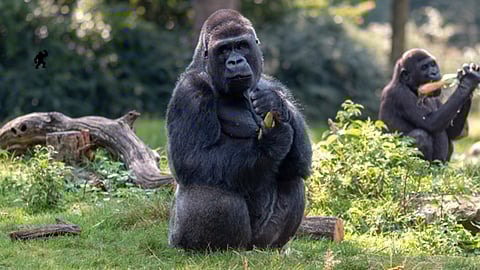
The moment you hear a low grunt and a silverback emerges from the mist, the whole trek feels worth it. You’ll have up to an hour to observe them. Keep your camera ready, but also give yourself a few minutes to simply sit and breathe with the family.
One of our recent groups – a pair of retirees from the UK – described the experience as “standing in a living postcard”. They said the silence, broken only by the gorillas’ soft vocalisations, was the most profound part of their three‑day adventure.
After you leave the forest, head straight to the lodge’s lounge for a warm drink and a protein‑rich snack. Hydration is key – you’ll have lost fluids walking through humid undergrowth.
Take a few minutes to write down the gorilla family’s name (you’ll find it on your permit receipt) and any emotions that popped up. That journal entry will become a treasured memory when you look back months later.
Finally, review the day with your guide. They’ll note any gear that wore out and suggest adjustments for Day 3’s lake‑side relaxation.
If your trek was in the Rushaga or Ruhija sectors, the drive to Lake Bunyonyi is only about two hours. As you descend, notice how the air grows warmer and the scent shifts from moss to fresh lake water. That change is intentional – the lake’s calm is the perfect antidote to the jungle’s intensity.
Once you’ve checked in, choose a low‑key activity that lets your legs recover without going flat‑out. A popular choice is a short canoe ride to one of the 29 islands. The paddling is gentle, the water is free of bilharzia, and you get a panoramic view of the surrounding hills that feels almost cinematic.
Wrap up the day with a warm cup of tea infused with local ginger – it soothes sore muscles and aids digestion. Finally, set a gentle alarm for the next morning, pack your journal, and slip the gorilla certificate into your travel folder. You’ll thank yourself when you’re back at the airport and can glance at that paper and the memories it brings.
Need a deeper dive into planning the whole three‑day experience? Check out our Gorilla Trekking: A Complete Adventure Guide for packing lists, permit details, and extra recovery ideas.
Gorilla trekking safari should be properly budgeted. Key costs include:
Gorilla permits: USD 800/ Usd 600 per individual (non-residents of foreign nationality depending on the gorilla trekking season.)
Transport (domestic flight or private vehicle).
Accommodation (depends on the category).
Park entrance fee and services of the rangers.
Guide services.
The prices will be different according to the season, lodges, as well as the transportation.
In order to participate in gorilla trekking a person needs:
Be at least 15 years old.
Hold a valid gorilla permit.
Should be physically fit to climb steep mountains.
Observe the park regulations (keep 7 meters distance, do not take photos, etc.).
There would be no advanced skills of climbing when walking, as it may be physically challenging because of muddy paths and other heights.
Gorilla trekking can be done all the year round but the dry seasons are the best months:
June to September
December to February
The months are also less muddy and hiking is more comfortable during these months. Nevertheless, the rainforest climate of Uganda ensures that it can always have some rain. The low seasons (March-May and October-November) are less crowded and occasionally the lodge rates are reduced.
An average package must be made up of:
Gorilla trekking permit
Accommodation for 2 nights
Full-board meals
Professional driver-guide
Ground transportation
Such optional activities may include:
Batwa cultural groups tours.
Nature walks
Bird watching
Potential of photo scenery.
During an otherwise short field trip, one can be introduced to local culture and natural beauty other than the gorilla sightseeing.
Bwindi’s four trekking sectors each have a cluster of lodges that cater to different budgets and tastes. If you’re heading into the Rushaga sector, you’ll find a handful of mid‑range properties with en‑suite bathrooms, Wi‑Fi, and hot water – perfect for families who need a quick shower after a muddy trek.
Travelers who crave a touch of luxury can book one of the premium lodges in the Buhoma area. These places often offer private butlers, spa treatments, and gourmet meals that feel more like a boutique hotel than a jungle outpost.
Gorilla Forest Lodge
Buhoma Lodge
Mahogany Springs
On a shoestring budget, there are basic lodges that still give you the essentials: clean sheets, a kettle, and a communal dining hall where you can swap stories with other trekkers. The key is to match the lodge to the sector you’ll be trekking in – otherwise you risk an early‑morning drive that eats into your sleep.
What we’ve seen work best is to let Activentures Africa Safaris - a reputable operator double‑check your sector before you book. That way you avoid the dreaded 4‑am scramble to a lodge that’s two hours away.
To relax on your trek, you have to prepare.
Start a little physical exercise several weeks before the trip.
Keep hydrated and be healthy.
Bring cash as tips and portering charges.
Come a day before in Uganda just to evade travel weariness.
Psychologically gear up too, it is not a walk; it is a wilderness adventure that will demand patience and a feeling of respect to nature.
Activentures Africa will ensure that your 3 Days Gorilla Trekking in Uganda is a smooth well-organized safari. They have local experience in permits, transfers and handpicked accommodations.
The best gorilla experiences are safe, ethical and memorable, and the personalized service is affordable to any budget, luxury, or mid-range. Activentures Africa will provide you with the best advice and lifetime memories.
Whether you’re traveling solo, with family, or leading a group of seniors, the key is to match the trek’s difficulty to your fitness level and to choose accommodation that lets you recover before the next day’s trek.
And don’t forget the simple post‑trek rituals – a warm drink, a quick stretch, and a notebook entry – they turn fleeting moments into lasting memories.
So, what’s the next step? If you feel ready to trade the office desk for mist‑filled mornings and silverback silhouettes, start by reaching out to a trusted operator who can stitch together the logistics with a sustainability‑first mindset.
Remember, the forest rewards patience and respect – and the stories you bring home will be worth every muddy boot‑print.
The hike may be either easy or difficult depending on the location of the gorillas. Moderate fitness is advised.
Visitors are allowed to spend one hour only after the gorilla family has been located.
Yes, it is safe. Rangers have their way in all groups and people have become accustomed to gorillas.
Yes! Although it may be a physically challenging journey, it does not require any special ability. Ranger guides, porters and additional carriers assist in making it sustainable to everyone.
Most travellers aim for the dry season, which runs from June to September and again from December to February. During those months the trails are less muddy, visibility is clearer and you’re more likely to spot the gorilla families moving around. That said, the rainforest is beautiful year‑round, and the shoulder months of March–May can offer fewer crowds and lower prices, though you’ll need sturdier boots for the extra rain.
Usd 800 per permit for the high season.
Usd 600 per permit in the low season months Apr, May & November.
This fee covers the ranger’s escort, anti‑poaching patrols and veterinary care for the primates. There are no surprise taxes, but always budget a small tip for your guide and porter if you’re happy with the service.
Guides are mandatory for gorilla trekking in Bwindi and Mgahinga National Parks. The park requires a qualified ranger to lead every group, both for safety and to enforce the strict distance rules that protect the animals. Even if you’re an experienced hiker, the guide will navigate you to the correct sector, share local insights and help you follow the 7‑meter rule, making the experience smoother and more responsible.
Pack waterproof trekking boots that are broken in, long‑sleeve quick‑dry shirts, breathable rain jackets and trekking pants. A wide‑brim hat, a reusable water bottle (at least 2 L), high‑energy snacks like nuts or dried mango, and a small sealed trash bag are non‑negotiable. The park also provides a single‑use mask for close proximity, but you can bring a spare. Finally, bring a lightweight daypack with a rain cover to keep everything dry.
Arrive at the briefing at least 15 minutes early for a health check – you’ll need a clear temperature reading and no cough or flu symptoms. Carry a personal mask, hand sanitizer and a basic first‑aid kit. Hydrate regularly and eat small snacks to keep blood sugar stable. If you feel unwell, the park will ask you to postpone; it’s better to miss a day than risk the entire gorilla family.
The minimum age restriction for gorilla trekking is 15yrs not any younger. For families travelling with younger children these can stay at the lodge in company of the child minders. Lodges have designed a couple of activities the children can be engaged in while the parents are away trekking.
A packaged tour bundles the permit, transport, lodging, guide and porter into one price, which saves you time and reduces the risk of missing the permit deadline. DIY gives you control over budget – you can stay in community‑run camps and hire a driver independently – but you’ll need to coordinate each piece yourself, from securing the permit to arranging a guide a week before arrival. Choose the route that matches your comfort with logistics.
Inspired by what you read?
Get more stories like this—plus exclusive guides and resident recommendations—delivered to your inbox. Subscribe to our exclusive newsletter
The products and experiences featured on RESIDENT™ are independently selected by our editorial team. We may receive compensation from retailers and partners when readers engage with or make purchases through certain links.